The 2026 Top Pg 36 Cable Gland Buyers Guide offers valuable insights into selecting high-quality cable glands. These components play a crucial role in ensuring electrical safety and reliability. With so many options available, it can be challenging to identify the best choices for your specific needs.
In this guide, we explore various PG 36 Cable Gland options and the unique features that set them apart. Understanding the specifications is vital. Factors like material, rating, and sealing capacity heavily influence performance. Conducting thorough research is essential to avoid costly mistakes. Often, users overlook certain aspects, leading to unsatisfactory results.
Ultimately, making an informed decision is key. The right Pg 36 Cable Gland enhances system integrity. This guide aims to equip you with the necessary information to navigate your purchasing journey. Whether you're a seasoned professional or a novice, our expertise will help you feel more confident in your choices.
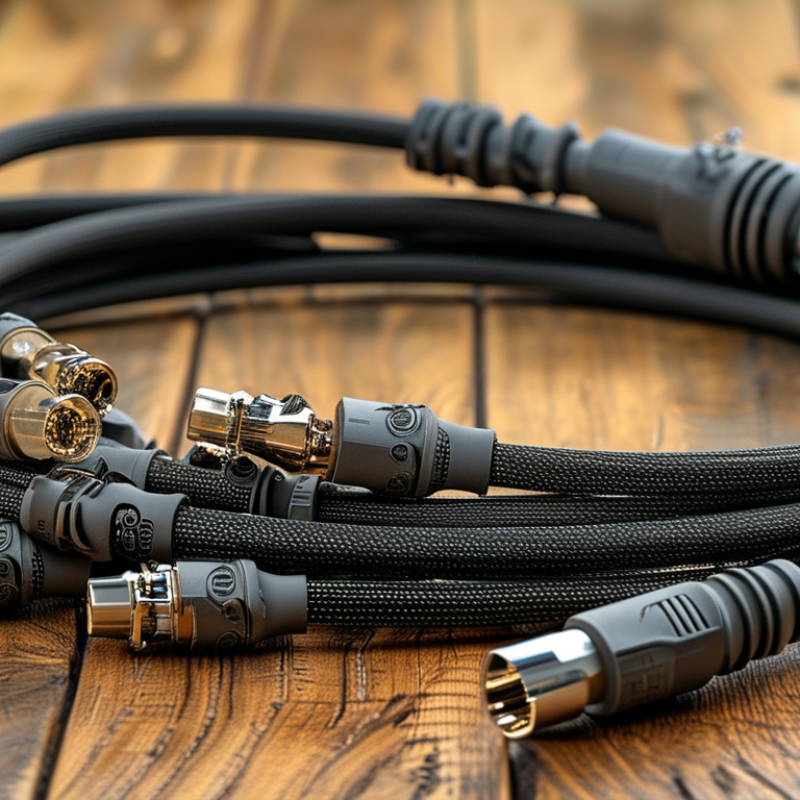
Cable glands play a critical role in electrical systems by ensuring safe and secure connections. These components serve as protective interfaces between cables and enclosures. Their primary function is to prevent dust, moisture, and other environmental factors from penetrating electrical devices. According to the International Electrotechnical Commission (IEC), around 30% of equipment failures are related to inadequate sealing at cable entry points. This emphasizes the necessity of high-quality cable glands in maintaining electrical integrity.
In industrial settings, the demand for reliable cable glands has surged. A recent report from the Electrical and Electronics Engineers Association highlights that the global cable gland market is expected to grow by over 7% annually from 2022 to 2027. Poor installation practices can lead to failures, costing companies thousands in repairs and downtime. Moreover, the choice of materials is essential. For instance, brass and nylon options provide different levels of strength and corrosion resistance, influencing their effectiveness in challenging environments.
Understanding the diverse applications of cable glands is crucial. They are used in various fields, including automotive, telecommunications, and mining. Each application requires specific features, such as explosion-proof designs for hazardous areas. Despite advancements, there remains a gap in user awareness regarding the selection and installation of these components. Addressing this gap can significantly enhance system reliability and safety.
Choosing the right cable glands for your project involves several important factors. Begin with the material selection. Cable glands are made from different materials like plastic and metal. Each has unique properties that suit specific environments. For example, plastic is lightweight and corrosion-resistant. Metal, however, provides enhanced protection and durability in harsh conditions.
Next, assess the ingress protection rating. This rating indicates how well a cable gland can resist dust and water. Ensure it meets the requirements of your project environment. A high rating is crucial for outdoor or industrial applications where exposure to elements is significant.
Finally, consider the size and type of cable you will use. Cable glands must fit snugly around the cable without damaging it. Mismatches can lead to issues. Testing different options may be necessary. Reviewing these factors deeply can guide you to make informed decisions. Each step in this process matters for the overall success of your project.
When considering cable glands in 2026, buyer choices are diverse. The right choice enhances safety, efficiency, and durability. Users should consider various factors like materials, ratings, and certifications while selecting. High-quality cable glands should offer excellent sealing and protection from environmental factors. Many leading manufacturers have established solid reputations based on their innovative designs and reliability.
Some brands stand out due to their commitment to quality and customer feedback. They focus on creating products that meet industry standards while offering competitive pricing. Reliability and excellence in engineering are crucial. Certain manufacturers also provide a variety of sizes and types, catering to different applications.
However, not all products meet expectations. Some reports highlight issues with quality control, causing buyers to question their purchases. Users should be vigilant and review specifications carefully. Engaging with online communities may provide valuable insights. Feedback from end-users often reveals real-life performance problems, prompting brands to improve their offerings. Making informed choices based on collective experiences can significantly impact the effectiveness of cable glands in various applications.
When choosing cable glands, the material used is critical. Common materials include plastic, brass, and stainless steel. Plastic cable glands are lightweight and resistant to corrosion. They are suitable for indoor applications, offering good insulation properties. Brass cable glands provide excellent durability and are often used in industrial settings. Stainless steel is ideal for harsh environments. It resists chemicals and extreme temperatures.
In a recent market report, nearly 40% of users preferred plastic materials due to their cost-effectiveness. However, reliance purely on cost could lead to performance issues in demanding environments. Depending solely on affordability might sacrifice longevity.
Tips: Always assess the environmental conditions where the cable glands will be installed. Ensure you have the right materials for the application. Also, consideration of certification standards is essential.
Brass and stainless steel options are favored for outdoor use. Their robust nature helps prevent failure in unpredictable weather. As cables often face various stresses, selecting the appropriate material can avoid trouble later. A common oversight is underestimating the potential risks. Without careful evaluation, failures can lead to costly repairs.
Cable glands play a crucial role in securing electrical cables and safeguarding connections. Their proper installation and maintenance can significantly influence their effectiveness. Understanding best practices for these tasks is essential for ensuring both safety and functionality.
When installing cable glands, consider the environment. Ensure the gland matches the cable type and fits snugly. A loose fit can lead to moisture entry and corrosion. Always use appropriate sealing techniques. This helps maintain the integrity of your installations over time. Inspect the gland regularly for signs of wear or damage. Early detection can prevent bigger issues down the line.
Tip: Use appropriate tools during installation. This avoids damaging the cables or glands. Keep a checklist of installation steps. Following a systematic approach can be beneficial.
Maintenance of cable glands is equally important. Clean them periodically to remove dirt and debris. Pay attention to any signs of corrosion. If corrosion is found, replace the gland promptly. Ignoring this could lead to serious failures.
Tip: Develop a maintenance schedule. Regular checks keep systems running smoothly. Document each inspection and any changes made. This information can be vital for future reference.
| Feature | Specification | Material | Ingress Protection Rating | Temperature Range |
|---|---|---|---|---|
| Size | Pg 36 | Brass | IP68 | -40°C to +100°C |
| Thread Type | Metric | Plastic | IP67 | -20°C to +80°C |
| Cable Size Range | 10mm - 14mm | Stainless Steel | IP69K | -60°C to +130°C |
| Installation Type | Screw-On | Aluminum | IP55 | -40°C to +85°C |
: Consider the material, ingress protection rating, and cable size. Material affects durability and protection.
Different materials like plastic and metal suit different environments. Plastic is lightweight; metal offers better durability.
It indicates how well a cable gland resists dust and water. A high rating is essential for harsh conditions.
The gland must fit snugly around the cable. A loose fit can cause damage and moisture entry.
Ensure the gland matches the cable type and environment. Use proper sealing techniques to maintain integrity.
Regular inspections are critical. Check for signs of wear or damage to prevent larger issues later.
Replace the gland immediately. Ignoring corrosion can lead to severe failures.
A schedule ensures regular checks, keeping systems operational. Documenting inspections is useful for records.
Use appropriate installation tools to avoid damaging cables or glands. Proper tools ensure safe installation.
A checklist ensures all installation steps are followed systematically. It reduces the risk of overlooking critical tasks.
The article titled "2026 Top Pg 36 Cable Gland Buyers Guide and Best Options" provides a comprehensive overview of cable glands and their significance in electrical systems. It addresses essential factors to consider when selecting cable glands for various projects, highlighting the importance of materials, compatibility with different environments, and the specific needs of electrical applications.
Moreover, the guide presents a comparative analysis of cable gland materials, detailing their respective advantages and suitable uses. It also emphasizes best practices for the installation and maintenance of cable glands, ensuring optimal performance and longevity. This resource serves as a valuable tool for professionals seeking the most effective Pg 36 Cable Gland options in 2026.

Hongxiang