Best Armoured Cable Gland Types for Your Next Project?

Time:2026-07-02 Author:Isabella
0%

When selecting the right Armoured Cable Gland Types, it is essential to understand their features and applications. These components protect electrical cables from damage and enhance system reliability. Choosing a suitable type can significantly impact project efficiency and safety.

Different Armoured Cable Gland Types serve unique purposes. For instance, some glands are designed for outdoor environments, while others suit indoor usage. Selecting the wrong type may lead to unforeseen issues, such as water ingress or mechanical stress. It’s crucial to reflect on the specific requirements of your project.

Understanding the intricacies of Armoured Cable Gland Types can be overwhelming. There are numerous options available, each with its specific advantages. Engaging with industry professionals can provide valuable insights. A thoughtful evaluation of your needs will lead to better decisions and outcomes.
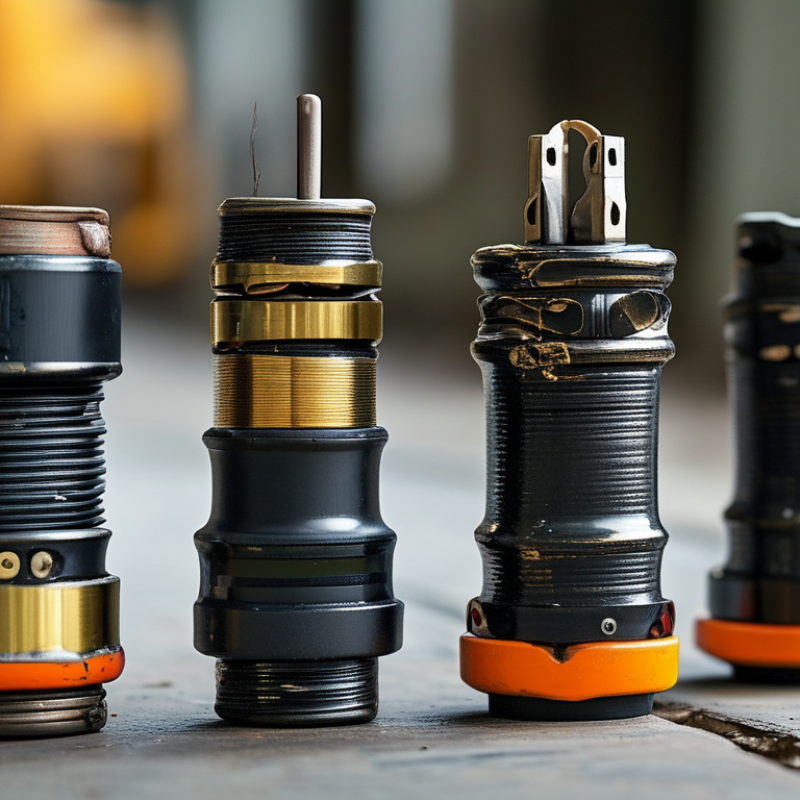
Best Armoured Cable Gland Types for Your Next Project?

Understanding Armoured Cable Glands: Definition and Purpose

Armoured cable glands play a crucial role in electrical installations. They provide protection for cables entering enclosures, safeguarding them against environmental hazards. These glands secure the cable while preventing dust, moisture, and other contaminants from entering the system. Understanding their purpose can help you choose the right type for your project.

There are several types of armoured cable glands, each designed for specific applications. Some are suitable for outdoor use, while others are made for indoor environments. Selecting the right gland is vital to ensure safety and longevity. However, many installers overlook the importance of a proper fit. An ill-fitted gland can compromise system integrity, leading to possible hazards. It is essential to consider the cable size, environment, and relevant regulations when making a decision.

Installation of armoured cable glands can also present challenges. Misalignment during installation can lead to damage. Moreover, some guides can be confusing and hard to interpret. Evaluating your installation environment thoroughly can help mitigate these issues. It's wise to consult product specifications and seek advice from knowledgeable professionals when necessary.

Best Armoured Cable Gland Types for Your Next Project

This chart illustrates the popularity scores of different types of armoured cable glands commonly considered for electrical projects. Choosing the right gland is essential for ensuring the durability and performance of cabling systems in various environments.

Types of Armoured Cable Glands: An Overview of Common Varieties

When selecting the appropriate armoured cable gland for your project, understanding the various types can be crucial. Armoured cable glands serve to secure and protect cable connections, ensuring safety in challenging environments. Key varieties include indoor and outdoor glands, each designed for specific applications. Indoor glands may focus on moisture resistance, while outdoor options must endure harsher weather conditions.

Metallic glands, often made from stainless steel or brass, provide robust protection. They can withstand physical impacts and are suitable for hazardous locations. Conversely, non-metallic glands, like those made from PVC or nylon, are lighter and resistant to certain chemicals. Evaluating the environment can help guide your choice.

The range of sizes and configurations adds complexity. Sometimes, selecting the right size can be underestimated, yet it affects the installation's effectiveness. The wrong size can lead to cable movement and potential damage. Knowing the cable diameter and installation requirements is essential. While the choices appear straightforward, each project presents unique challenges that necessitate careful thought.

Best Armoured Cable Gland Types for Your Next Project

Type Material Application IP Rating Temperature Range
Metal Armoured Cable Gland Aluminium / Brass Heavy-duty environments IP68 -20°C to 100°C
Plastic Armoured Cable Gland Polyamide Light-duty applications IP65 -30°C to 80°C
Compression Type Cable Gland Brass Industrial use IP66 -20°C to 90°C
Environmental Sealing Gland Polyurethane Outdoor applications IP67 -40°C to 120°C

Key Selection Criteria for Armoured Cable Glands in Projects

Choosing the right armoured cable glands for your project involves careful consideration of several key selection criteria. The materials used in these glands are critical. For example, brass and stainless steel are two common options. Brass is often chosen for its corrosion resistance and mechanical strength, making it suitable for various industrial applications. In contrast, stainless steel provides enhanced resistance to harsh environments, which is vital in marine or chemical sectors.

Another significant factor is the gland's ingress protection rating. A high IP rating ensures protection against dust and water, crucial for outdoor installations. According to a report by the International Electrotechnical Commission, over 30% of electrical failures stem from inadequate protection against environmental factors. Therefore, verifying the appropriate IP rating based on the environmental conditions should not be overlooked.

Consider also the application type. Industrial settings may require glands that accommodate high cable pull-out forces. This is essential in environments where vibration is common. A study by the National Electrical Manufacturers Association suggests that improper gland selection can lead to increased maintenance costs, sometimes exceeding 15% of project budgets. Evaluating these factors diligently ensures you select a gland that meets the specific environmental and operational needs of your project.

Industry Standards and Certifications for Armoured Cable Glands

When selecting armoured cable glands, industry standards and certifications play a vital role. These guidelines ensure that products can withstand harsh environments. Common certifications include IP ratings, which indicate water and dust resistance. The more robust the rating, the better the protection.

Another important aspect is compliance with international standards, such as IEC and UL. These standards guarantee that the cable glands meet safety and reliability benchmarks.

However, not all products meet every certification. Hence, careful evaluation is necessary.
It’s crucial to ensure proper installation methods accompany the chosen glands. Poor installation can lead to failures, even with compliant products. Moreover, choosing the right materials for specific environments can be challenging. Users should weigh the benefits of various options against their specific project needs.

Installation Best Practices for Armoured Cable Glands and Their Benefits

When installing armoured cable glands, following best practices is crucial. Proper installation ensures maximum protection against environmental factors. Industry reports indicate that incorrect installations can lead to premature cable failure, costing projects time and money. According to the Institute of Electrical and Electronics Engineers (IEEE), almost 30% of cable faults stem from improper gland installations.

Before installation, ensure compatibility between the gland and cable type. The right selection prevents moisture ingress and mechanical damage. A study by the National Electrical Manufacturers Association (NEMA) highlights that using the correct type can increase a system's reliability by up to 40%. Additionally, maintaining proper torque during tightening is essential. Over-tightening can compromise the gland’s effectiveness, while under-tightening may lead to cable movement and potential damage.

During installation, consider the environment where the cables will operate. Areas with high vibration require specific types of glands to minimize stress on connections. Regular inspections post-installation are also recommended. They help identify early signs of wear or installation issues. These checks can prolong the lifespan of the cable and enhance safety. Although best practices are established, the variability in real-world applications often presents challenges. Continuous training and adherence to guidelines can yield better outcomes in these scenarios.

FAQS

: What are armoured cable glands used for?

: They secure and protect cable connections in challenging environments.

What types of environments require different cable glands?

Indoor glands focus on moisture resistance. Outdoor glands endure harsh weather conditions.

What materials are commonly used for metal glands?

Stainless steel or brass are typical choices for robust protection against impacts.

Are non-metallic glands an option?

Yes, PVC or nylon glands are lighter and resistant to certain chemicals.

How important is the correct size when selecting a gland?

The wrong size can lead to cable movement, causing potential damage.

Why is the ingress protection rating important?

A high IP rating protects against dust and water, especially for outdoor installations.

What can inadequate protection lead to?

Over 30% of electrical failures come from lack of environmental protection.

What should be considered for industrial settings?

Glands may need to accommodate high cable pull-out forces due to vibrations.

Can improper gland selection impact maintenance costs?

Yes, it can increase costs by over 15% of project budgets, according to studies.

Is project evaluation vital before selection?

Yes, each project has unique challenges that need careful thought and consideration.

Conclusion

Armoured cable glands are essential components used to terminate and secure armoured cables in various applications, ensuring protection against external factors and maintaining equipment integrity. Understanding the different armoured cable gland types is crucial for selecting the appropriate one for a specific project, as each type serves distinct functions and is suited to different environments.

In addition to recognizing the various armoured cable gland types, it's important to consider key selection criteria such as environmental conditions, installation requirements, and applicable industry standards. Proper installation practices not only enhance the performance of armoured cable glands but also extend the lifespan of the cable and connected equipment. Adhering to industry standards and certifications further ensures reliability and safety in the use of these critical components.


Isabella

Isabella

Isabella is a dedicated marketing professional with a sharp focus on driving brand growth and engagement through strategic content creation. With an extensive background in digital marketing, she combines her passion for storytelling with her keen understanding of industry trends to deliver......