In the rapidly evolving industrial landscape, the demand for reliable and safe equipment is growing. One such vital component is the Explosion Proof Cable Gland. These devices ensure the safe passage of cables through hazardous environments, preventing the risk of ignition. With increasing global regulations, understanding the best options available is crucial.
Selecting an effective Explosion Proof Cable Gland involves careful consideration of various factors. Material durability, ingress protection ratings, and environmental suitability play significant roles. Buyers face challenges in navigating these choices amidst diverse offerings. Awareness of product specifications and performance ratings can greatly influence decisions.
Despite the wealth of information available, gaps in understanding persist. Manufacturers often vary in their claims about safety and performance. Critical evaluation of brands and their certifications is necessary. Ensuring quality and compliance can ultimately protect lives and enhance operational efficiency in hazardous locations. This guide aims to reflect on the best options for buyers worldwide in 2026, fostering informed decisions in this essential area.
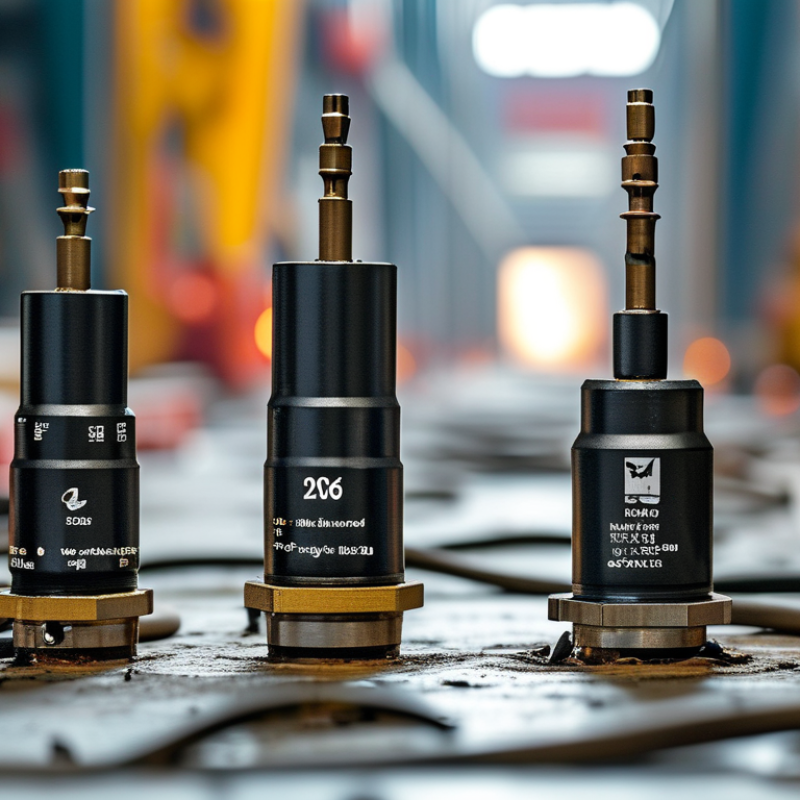
Explosion proof cable glands play a critical role in ensuring the safety of electrical installations in hazardous environments. These environments are often found in industries such as oil and gas, mining, and chemicals, where explosive gases may be present. According to a report by the European Agency for Safety and Health at Work, approximately 25% of all workplace explosions occur in such sectors. Therefore, selecting the right cable gland is essential for minimizing risks.
Essential characteristics of explosion proof cable glands include material durability and sealing efficiency. High-grade materials, like brass or stainless steel, resist corrosion and physical damage. Proper sealing prevents the ingress of dust and moisture. A recent study showed that 30% of failures in explosion proof systems result from poor sealing. In contrast, a well-designed cable gland can increase safety and prolong the lifespan of electrical systems.
Another critical aspect is the certification of the cable glands. Compliance with international safety standards, like IECEx and ATEX, is necessary. These certifications ensure that cable glands have been rigorously tested under varied conditions. It is concerning that many buyers overlook this aspect, potentially exposing themselves to significant hazards. Choosing certified products creates a reliable barrier against explosive environments, contributing to overall safety strategies.
| Characteristic | Description | Benefits | Applications |
|---|---|---|---|
| Material | Made from stainless steel or brass for durability | Corrosion resistance and long life | Oil and gas, chemical facilities |
| Ingress Protection (IP) | IP66/IP67 rating | Protection against dust and water | Outdoor applications, harsh environments |
| Temperature Rating | Range from -60°C to +100°C | Suitable for extreme conditions | Mining, petrochemical industries |
| Certifications | ATEX, IECEx, UL | Ensures compliance with safety standards | Explosive atmospheres |
| Cable Type | Suitable for various cable diameters | Versatile use for different installations | Electrical installations in hazardous areas |
: Material choice is crucial. Specialized metals or thermoplastics prevent ignition and withstand harsh environments.
High-quality seals maintain integrity against gases and dust, enhancing safety and effectiveness.
Glands must match the cable diameter. An improper fit can damage insulation or create dangerous situations.
A poorly installed gland can compromise safety functions, leading to potential hazards in hazardous environments.
Regular maintenance checks are often overlooked, yet they are essential for ensuring ongoing safety and reliability.
The oil and gas, mining, and chemical sectors drive demand for equipment that withstands explosive conditions.
Buyers should research options thoroughly. Not every product meets the high expectations of industry leaders.
Ensuring compliance with diverse regulations can lead to delays in product availability and certification.
The global market for explosion-proof cable glands is projected to reach approximately $1.2 billion by 2026.
Safety should never be an afterthought; it requires constant reflection and diligence in all practices.
The article titled "2026 Best Explosion Proof Cable Gland for Global Buyers" highlights the critical characteristics and safety features of explosion proof cable glands, which are essential components for ensuring the protection of electrical installations in hazardous environments. Various types of explosion proof cable glands are available in the market, each designed to meet specific safety standards and operational requirements.
When selecting an explosion proof cable gland, key factors must be considered, including material durability, sealing effectiveness, and compliance with global standards and certifications. The piece also discusses leading brands and manufacturers in the industry, emphasizing the importance of quality and reliability in choosing the right products for safety-critical applications. Overall, understanding these aspects is vital for global buyers seeking to enhance safety in potentially explosive surroundings.

 Hongxiang