The global market for cable glands is witnessing significant growth. The Pg29 cable gland is a crucial component for ensuring safe and reliable electrical connections in various applications. According to a recent industry report, the demand for high-quality cable glands is projected to increase by over 10% annually. This trend highlights the importance of choosing the right product.
However, selecting the best Pg29 cable gland isn't always straightforward. Factors such as material, environmental rating, and compatibility with cables must be considered. Misunderstandings about these elements can lead to improper usage, which may compromise safety. Knowledge and attention to detail play vital roles in making informed choices.
The landscape is filled with options, but not all products are equal. Some manufacturers may prioritize cost over quality. Buyers should remain vigilant about product specifications and certifications. This diligence can make a significant difference in performance and longevity. Understanding the nuances of Pg29 cable glands will empower global buyers to make confident decisions, safeguarding their investments and ensuring operational success.
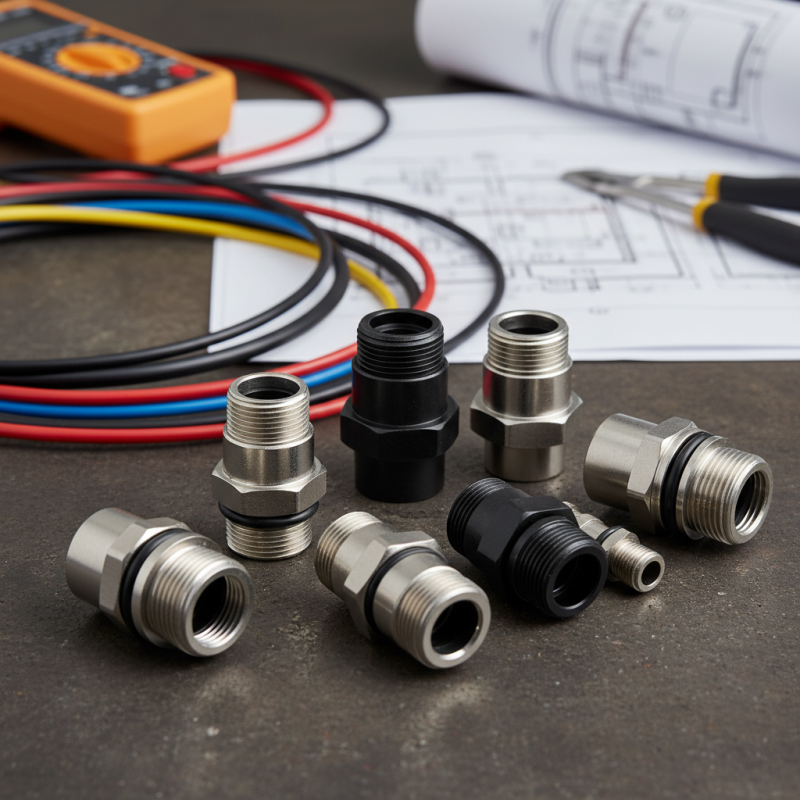
When choosing a PG29 cable gland, several key features are crucial for optimal performance. Start with the material. Ensure the gland is made from high-quality materials like brass or plastic to withstand harsh environments. Additionally, check the ingress protection rating. A higher IP rating guarantees better resistance against dust and moisture.
Another important aspect is the sealing mechanism. A reliable sealing method prevents the entry of water and dust, which could compromise the equipment. Consider the installation process too. A user-friendly design can save time and reduce errors during setup. The compatibility with various cable sizes is also essential for flexibility in installations.
Here are some tips for selecting the right PG29 cable gland. Assess the operational environment. Will it be exposed to chemicals or extreme temperatures? Evaluate the application requirements closely. Ignoring small details can lead to failures. Read reviews or seek expert opinions to gauge reliability. Always prioritize quality over cost to ensure long-term functionality.
When selecting a PG29 cable gland, the choice of materials significantly impacts performance and durability. Common materials include nylon, brass, and stainless steel. Each has unique properties that suit different environments.
For example, nylon is lightweight and resistant to corrosion but may not withstand high temperatures. Conversely, brass offers strength and durability, ideal for harsh conditions. Stainless steel, while more expensive, provides exceptional resistance to chemicals and seawater.
Industry data suggests that nearly 35% of cable failures are linked to inadequate protection against environmental factors. A reliable cable gland effectively prevents moisture ingress, dust, and other contaminants. As reported by industry experts, the failure rate of poorly chosen materials can reach as high as 50% in extreme conditions. Selecting the right material not only ensures longevity but also enhances safety, especially in critical installations.
Regular assessments of performance are vital. Over time, even high-quality materials can degrade. Factors such as temperature fluctuations and exposure to chemicals can alter their effectiveness. Therefore, buyers must consider their specific environmental conditions and application needs. Often overlooked is the potential for mechanical wear, which can compromise the integrity of even the best materials. The right choice requires a balance of cost, durability, and suitability for the intended application.
When installing Pg29 cable glands, proper adherence to guidelines is crucial.
Begin by selecting the correct cable gland size. Pg29 refers to the metric size that fits specific cable diameters. Ensure the cable’s outer sheath is cleanly cut and free from damage. This is vital for a secure seal.
Next, insert the cable through the gland. Ensure it passes through without excessive force. A too-tight fit can lead to damage. Use appropriate sealing gaskets to prevent moisture ingress. It's essential to handle materials delicately.
For cables in harsh environments, consider extra protective measures.
Tips for a successful installation include checking compatibility with the specific cable type. Additionally, consistent torque application is key. Over-tightening can be just as problematic as under-tightening. Regular inspections post-installation can reveal issues earlier. Reflect on each installation, learning from mistakes to improve future practices.
Community forums can provide insights and share experiences, enhancing knowledge in best practices.
When selecting cable glands, understanding global standards is critical. Cable glands must meet various international certifications. These standards ensure safety, durability, and performance across different environments. Familiarizing yourself with these standards can aid in making informed choices.
Consider the environmental conditions where the cable glands will be used. For instance, outdoor installations may require glands with UV resistance. Indoor applications might focus on moisture protection. Always check the IP ratings, which indicate the level of protection against dust and water.
Tips for selection include examining the material composition for compatibility. Some materials may not withstand harsh chemicals or extreme temperatures. Also, review any installation guidelines. Missteps during installation can compromise the integrity of the gland. Remember, not all cable glands are created equal. Each has specific features that suit different needs. A little research goes a long way in ensuring reliable performance.
When selecting a reliable supplier of PG29 cable glands, several factors come into play. The electrical industry reports highlight that the right supplier can significantly affect the overall quality and safety of installations. A report from the International Electrotechnical Commission indicates that improper selection leads to a 30% increase in equipment failure rates. Thus, understanding supplier capabilities is critical.
Experience and expertise are non-negotiable. Suppliers with years in the industry often have refined manufacturing processes and quality control measures. It's crucial to ensure that they follow internationally recognized standards, such as IEC 62444. This standard provides guidelines for performance and safety. A supplier's certifications play a vital role here. Companies often overlook this aspect, assuming all suppliers meet basic standards. Yet, the data shows a correlation between certification levels and product reliability.
Another key consideration is customer feedback. A thorough review process can reveal patterns in product reliability and service quality. Relying solely on marketing materials may lead to poor choices. In fact, surveys indicate that 40% of customers report dissatisfaction with cables because they chose suppliers based on advertisements rather than actual performance. Connecting with other buyers for insights can provide valuable information.
: Common materials include nylon, brass, and stainless steel. Each material has unique properties for different environments.
Nylon is lightweight and corrosion-resistant. However, it may not withstand high temperatures effectively.
Brass is strong and durable, making it ideal for harsh conditions. It provides excellent reliability in tough environments.
Stainless steel offers exceptional resistance to chemicals and seawater. It may be more expensive but is highly reliable.
In extreme conditions, the failure rate can reach 50%. This emphasizes the importance of selecting the right material.
High temperatures and chemical exposure can degrade materials over time. Regular assessments of performance are crucial.
They ensure safety and durability across environments. Understanding these standards aids in making informed choices during selection.
Outdoor installations may need glands with UV resistance. Assess environmental conditions for optimal performance.
Missteps during installation can compromise the gland's integrity. Always review installation guidelines carefully.
Many overlook the potential for mechanical wear, which can affect even high-quality materials over time.
When selecting the best Pg29 Cable Gland for your needs, several key features must be considered to ensure optimal performance and safety. Focus on the materials and durability of the cable glands, as these factors significantly impact their longevity and suitability for various environments. Proper installation guidelines are also essential to ensure functionality and safety, while being aware of global standards and certifications can help you make informed decisions.
Furthermore, identifying a reliable supplier is crucial in obtaining high-quality Pg29 Cable Glands. By following these tips, buyers can navigate the selection process more effectively and secure the best products for their applications.

Hongxiang