The 2026 market for Sealed Cable Gland products is becoming more demanding. Global buyers now expect dependable sealing, clear technical data, and stable supply. A gland may look small, yet it protects the entry point where cables meet equipment. That point faces dust, water, vibration, chemicals, and temperature changes.
Cable-entry specialist Markus Keller describes the practical risk clearly: “A sealed gland is only as reliable as its weakest interface.” This observation matters during product selection. The body material, sealing ring, locknut, thread accuracy, and cable diameter must work together. One loose component can reduce the protection rating. Small details matter.
This guide examines the features that serious buyers should compare in 2026. It considers IP protection, material options, strain relief, thread standards, installation speed, and long-term field performance. Stainless steel may suit harsh outdoor locations. Nylon can reduce weight and cost in controlled environments. There is no universal winner.
Real purchasing decisions are rarely perfect. Supplier claims may sound impressive, but independent test evidence is more useful. Product drawings can also hide practical problems, such as limited clamping range or difficult access during installation. Buyers should check samples before committing to large orders.
The best Sealed Cable Gland is not simply the cheapest or strongest model. It should match the cable, enclosure, environment, certification needs, and maintenance plan. This article offers a practical comparison for distributors, panel builders, contractors, and equipment manufacturers seeking reliable global sourcing. Mistakes still happen. Careful verification reduces them.
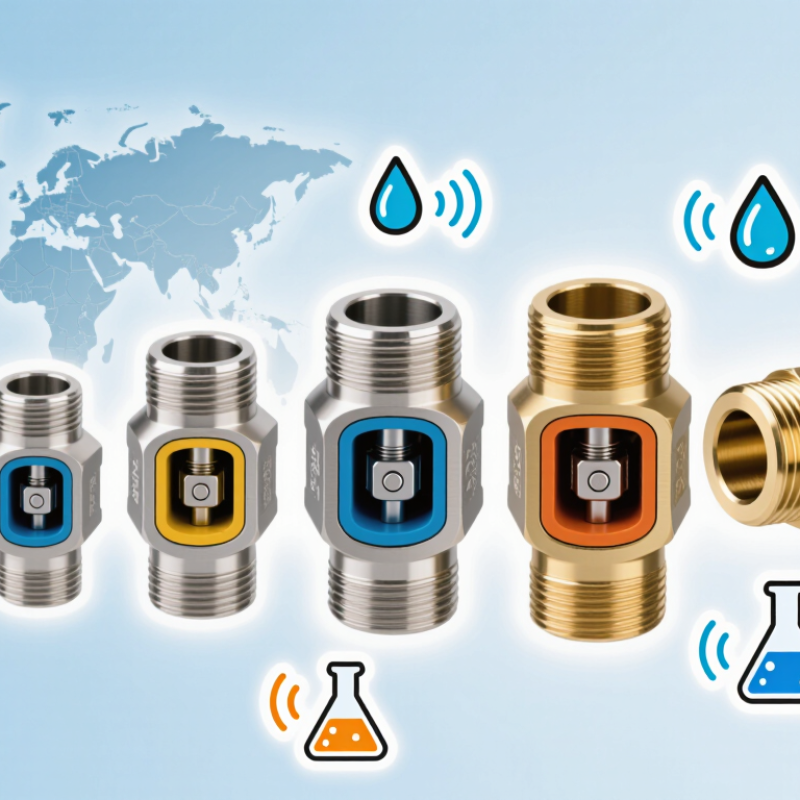
A sealed cable gland is a mechanical fitting that secures a cable where it enters an enclosure. It also creates a barrier against water, dust, oil, and outdoor contaminants. Inside the gland, a compression seal grips the cable jacket evenly. The outer body supports strain relief and limits cable movement. This small component protects larger systems.
Why does it matter? Moisture can travel through tiny gaps around a cable entry. Dust can settle on terminals and reduce insulation performance. Vibration may loosen a poorly fitted gland over time. In outdoor cabinets, temperature changes can repeatedly expand and contract materials. No seal lasts forever. Correct selection still extends service life.
Field experience shows that installation quality matters as much as product specifications. Over-tightening can damage the seal or cable jacket. Under-tightening may leave a hidden leakage path. Measure the actual cable diameter, not only its advertised size. Check enclosure material, temperature range, ultraviolet exposure, and chemical contact. For protection claims, review documented ingress testing, such as an IP rating under IEC 60529. A technically suitable gland may still fail when its seal does not match the cable shape. This is an easy mistake to overlook. Global buyers should also confirm thread compatibility and inspect sealing surfaces before assembly. A clean, undamaged contact area makes the final connection more dependable.
Comparing sealed cable glands begins with the installation environment, not the lowest purchase price. A gland beside a coastal switchboard faces salt spray, condensation, and frequent temperature changes. Nickel-plated brass offers strong mechanical performance, while stainless steel 316 suits harsher, corrosive locations. Polyamide can reduce weight and cost, but it needs careful review for heat, ultraviolet exposure, and impact.
Seal material also matters. EPDM handles weather and water well, while NBR often performs better around oils and fuels. Silicone remains useful across wider temperature ranges, although its mechanical resistance may not fit every application.
Check the cable jacket against the seal. A mismatch can create leakage, even when the gland looks well made.
IP ratings must be read precisely.
IP66 indicates protection against dust and powerful water jets. IP68 involves continuous immersion, but the tested depth and duration must be stated. IP ratings describe the assembled protection level, not just the gland body. Cable diameter, thread engagement, sealing-ring compression, and tightening torque can change the result. I have seen excellent components fail after rushed installation. That detail is easy to underestimate.
For global purchasing, request material data, temperature limits, thread standards, test reports, and traceable inspection records. Confirm whether the design supports armoured cable, strain relief, and electrical bonding where required. Do not assume one seal fits every jacket. A small trial installation is often more reliable than a confident specification sheet.
Choosing a sealed cable gland starts with the cable, not the catalogue.
For unarmored PVC or rubber cables, a polyamide gland suits dry indoor panels and light outdoor duty. For armored power cables, use a metallic gland with armor clamping and reliable earth continuity. Shielded data cables need EMC glands that maintain contact around the braid. The wrong seal can crush insulation or weaken strain relief. It happens more often than installers admit.
The environment changes the decision. IEC 60529 defines IP protection levels, but an IP rating alone does not prove chemical, UV, or vibration resistance. In coastal plants, select corrosion-resistant materials and a seal that tolerates salt spray. In dusty factories, verify dust ingress testing and tighten the gland to its specified torque. Wet installations may require IP68 performance, but immersion depth and duration still matter.
IRENA’s Renewable Capacity Statistics 2025 reported 585 GW of renewable capacity added globally in 2024. More outdoor solar, wind, and storage equipment means more cable entries exposed to heat, rain, and movement. For hazardous locations, only suitably certified glands should be used with the complete cable system. A supplier’s test report should identify the cable diameter range, temperature limits, IP test conditions, and material compatibility.
Do not ignore installation quality.
Even the best gland may leak when the cable is oval, dirty, or sharply bent. I would leave room for doubt: field conditions often differ from laboratory tests. A practical sample fit, torque check, and post-installation inspection can reveal problems before water reaches the enclosure.
Which sealed cable gland fits different cable types and environments?
The chart compares typical IEC 60529 protection levels for common cable-gland applications. The dust-protection digit ranges from 0 to 6, while the water-protection digit ranges from 0 to 9. Higher values indicate stronger ingress protection. Final selection should also verify cable diameter, gland thread, sealing range, temperature, UV exposure, chemicals, and installation conditions.
For global buyers, a sealed cable gland is a safety interface, not merely a threaded fitting. Start with the intended environment: indoor, outdoor, washdown, dust, vibration, or hazardous atmosphere. IEC 62444 defines cable-gland requirements, while IEC 60529 provides the IP classification framework. Ask for the complete test report, not only an IP mark. It should identify cable diameter, torque, sealing insert, enclosure, and test conditions. Details matter.
Certification must match the installation country and application. Check whether the certificate covers the complete gland assembly, including the locknut, washer, and barrier seal. For explosive atmospheres, verify the protection concept and installation rules under IEC 60079-14. Confirm certificate scope, production-site identity, temperature range, thread form, and permitted cable types. ISO/IEC 17025 supports laboratory competence, while ISO/IEC 17065 addresses product certification bodies. Documents reduce guesswork, but they do not replace site judgment.
Installation safety depends on small actions. Measure the cable jacket with a calibrated tool. Use the specified spanner torque. Keep the sealing face clean. Avoid forcing an oversized cable through a narrow insert. The International Labour Organization reported nearly three million work-related deaths and 395 million nonfatal injuries worldwide in 2023. Cable glands are not the main cause, but poor installation can create a hidden failure path. I would photograph torque settings and unused entries before energizing. Recheck them after thermal cycling. That step is easy to miss. My checklist is still imperfect; humidity, aging, and human error deserve more attention.
Selecting a reliable sealed cable gland supplier in 2026 requires more than comparing unit prices. In field inspections, failures often start with a small mismatch: cable diameter, thread type, or sealing material. Ask suppliers for verified drawings, dimensional tolerances, and test records. A serious supplier should explain how its glands achieve claimed IP66 or IP68 protection under defined conditions. Request samples before approving a large order. Touch the seal, check thread engagement, and inspect compression after installation.
Review the supplier’s quality system, material traceability, and production inspection records. Documents should identify rubber compounds, metal grades, plating methods, and batch numbers.
Confirm whether testing follows relevant standards, such as IEC 62444 for cable glands and IEC 60529 for enclosure protection.
Do not rely on a certificate alone. Ask who performed the testing, when it occurred, and whether the tested design matches your purchase specification. Traceability matters.
Supplier support also reveals practical reliability. Can the technical team recommend a gland for outdoor sunlight, vibration, salt air, or frequent temperature changes? Clear answers matter. I would also test delivery consistency, packaging strength, and replacement response. A supplier may offer excellent samples but struggle with repeat production. That risk is easy to overlook. Even experienced buyers can approve a gland before checking installation tools or torque guidance. Leave room for correction, especially when cable sizes vary across projects.
A polyamide gland often suits dry indoor panels and light outdoor service. Check the cable diameter carefully. A poor seal can crush insulation.
Choose a metallic gland with armor clamping and dependable earth continuity. Confirm the gland matches the armor size. Small mismatches create hidden weaknesses.
Use an EMC gland that maintains contact around the cable braid. Check shielding continuity after installation. The connection should remain stable under movement.
No. IP ratings describe defined test conditions, not every field situation. Confirm immersion depth, test duration, cable size, and installation torque.
Coastal sites need corrosion-resistant materials and seals that tolerate salt spray. Dusty factories require verified dust-ingress testing. Keep the sealing face clean.
It should identify cable diameter, temperature limits, sealing materials, torque, enclosure, and test conditions. Ask for the complete gland assembly. An IP mark alone proves little.
Measure the cable jacket with a calibrated tool. Follow the specified spanner torque. Avoid dirty, oval, or sharply bent cables. Inspect the entry afterward.
Request samples, drawings, tolerances, material records, batch numbers, and production inspection results. Test thread engagement and seal compression. Excellent samples may not guarantee repeat production.
Yes, especially after thermal cycling, vibration, or temperature changes. Photograph torque settings and unused entries before energizing. My checklist is not perfect. Recheck anyway.
Choosing the best Sealed Cable Gland in 2026 requires more than selecting a basic cable entry fitting. It must create a dependable barrier against water, dust, oil, vibration, and mechanical stress while maintaining secure cable retention. Buyers should compare materials such as durable polymer, brass, and stainless steel according to corrosion exposure, temperature range, UV conditions, and installation location. Protection ratings, thread compatibility, sealing range, and resistance to environmental aging are also essential when matching a gland to cable type and application.
A suitable Sealed Cable Gland should accommodate armored, unarmored, flexible, or multi-core cables without damaging insulation or compromising the seal. Global buyers should verify relevant international standards, certification documents, testing evidence, and clear installation instructions. Safe selection also depends on accurate sizing, proper tightening, and suitable tools. Finally, evaluate suppliers by product consistency, technical support, traceability, customization capability, delivery reliability, and after-sales service to ensure long-term performance across different markets and operating environments.

Hongxiang