Global sourcing is reshaping how manufacturers secure Cable Gland And Accessories for electrical, automation, renewable energy, and infrastructure projects. MarketsandMarkets identifies industrial automation, energy investment, and expanding cable-management needs as major market drivers. Grand View Research also reports continued growth in global cable-management demand, supported by data centers, construction, and power distribution. These trends make international supplier evaluation more important than simple price comparison.
A reliable sourcing decision begins with application details. Consider cable diameter, entry thread, enclosure material, vibration, moisture, and operating temperature. A brass gland beside a stainless-steel enclosure feels substantial, but material compatibility still matters. Polyamide options may reduce weight and corrosion exposure. IEC 62444 provides guidance for cable glands, while IEC 60529 supports assessment of IP protection ratings. UL, CSA, ATEX, or other approvals may apply to specific markets and environments. Requirements must be verified for the final installation.
Cost matters.
However, global sourcing is not automatically efficient. A lower quotation can hide inconsistent machining, weak sealing rings, unclear test records, or unreliable delivery. Published industry reports often use different definitions, regions, and forecast periods. Their numbers should guide decisions, not replace supplier audits. Experienced buyers should request dimensional drawings, material certificates, sample inspections, batch traceability, and clear warranty terms. They should also test whether accessories remain available after the first shipment. In practice, the strongest supplier combines technical discipline with responsive communication. That standard is difficult to measure in a spreadsheet. It is worth measuring anyway.
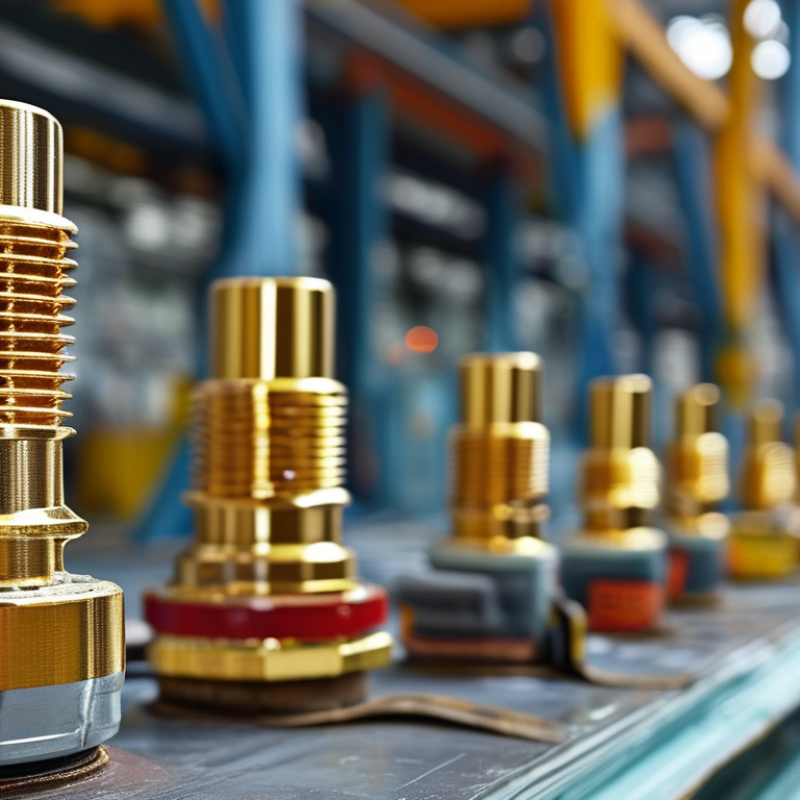
Cable glands are mechanical fittings that secure cables where they enter electrical enclosures, control panels, or junction boxes. They grip the outer sheath, reduce cable movement, and help prevent dust or moisture from entering. A typical gland includes a body, locknut, sealing ring, and compression component.
Accessories extend this protection. Locknuts fix the gland to a panel. Washers improve sealing on uneven surfaces. Earth tags support bonding in metal enclosures, while reducers and adaptors manage different thread sizes. Blanking plugs close unused entries. In real installations, a small mismatch can create a large maintenance problem.
Selection should consider cable diameter, thread type, material, temperature, and the required IP rating under IEC 60529. IEC 62444 also provides design and performance guidance for cable glands. The broader cable-management market was valued at about USD 23.96 billion in 2023, according to Fortune Business Insights’ Cable Management Market report published in 2024. Its projected growth reflects expanding industrial, energy, and infrastructure installations.
Global sourcing demands more than comparing unit prices. Suppliers should provide dimensional drawings, test evidence, material details, and traceable inspection records. Stainless steel may suit corrosive areas, while polyamide can reduce weight and cost. However, one choice rarely fits every project. This is where sourcing decisions often become less tidy. A gland that looks suitable may fail after heat, vibration, or repeated maintenance.
Cable glands are small components, but they strongly influence safe cable management. They secure cables where they enter control cabinets, junction boxes, and outdoor enclosures. A correctly selected gland provides strain relief and reduces movement at the cable entry point. Small parts matter.
In practical installations, I check cable diameter, thread size, enclosure material, and environmental exposure before selection. The sealing ring should grip the cable without crushing its insulation. For dusty or wet locations, the required ingress protection level must match the enclosure and installation conditions. Fit is everything. I have seen loose glands allow moisture to collect inside a cabinet, causing corrosion months later. That mistake was avoidable.
Material selection also affects service life. Metal glands can suit demanding industrial areas, while suitable polymer options may reduce weight and simplify installation. Cable accessories, including locknuts, earth tags, and sealing washers, must work as one system. Installers should follow the manufacturer’s torque guidance and inspect the cable jacket for cuts. Global sourcing adds another concern: dimensions and testing requirements can vary between markets. Buyers should verify technical documents, applicable standards, and sample quality before placing large orders. Documentation is not decoration. It helps maintenance teams identify the correct replacement years later. There is no perfect selection without context; temperature, vibration, chemicals, and installation skill can change the result.
| Sourcing Dimension | Typical Specification or Data | Safety and Management Value | Recommended Verification Point |
|---|---|---|---|
| Ingress protection | Common ratings include IP54, IP65, IP66, IP67 and IP68, depending on the design and installation. | Helps limit the entry of dust and water into enclosures and protects cable termination areas. | Confirm the tested IP rating, cable diameter range, sealing insert design and installation conditions. |
| Cable diameter compatibility | Metric and other thread sizes are available for different cable outside diameters; the usable range must be checked for each gland size. | Correct sizing improves sealing, strain relief and resistance to cable pullout. | Match the gland sealing range with the measured cable outside diameter, including tolerances. |
| Thread systems | Common thread options include metric threads such as M16, M20, M25 and M32, as well as other regional thread systems. | A compatible thread supports secure mounting and reduces the risk of loosened or misaligned cable entries. | Specify thread type, pitch, entry length, locknut requirements and enclosure wall thickness. |
| Material selection | Typical materials include nickel-plated brass, polyamide, stainless steel and other corrosion-resistant metal options. | Material choice affects corrosion resistance, mechanical strength, temperature performance and total service life. | Review material grade, plating or surface treatment, chemical exposure and environmental temperature. |
| Temperature range | Operating limits vary by material and sealing compound; many general-purpose products are designed for approximately -40°C to +100°C, while specialized designs may cover wider ranges. | Maintains sealing performance and mechanical stability in cold, hot or fluctuating environments. | Use the manufacturer’s tested temperature range rather than assuming a universal limit. |
| Strain relief | Cable glands are designed to clamp the cable and transfer mechanical loads away from the termination point. | Reduces conductor stress, terminal damage and accidental cable displacement during installation or operation. | Check pull-out, retention and bending performance using the applicable product standard or test method. |
| Armoured cable support | Armoured cable glands can provide mechanical retention and bonding or earthing continuity when correctly selected and installed. | Supports fault-current paths and helps protect the cable from mechanical damage. | Confirm armour type, cable construction, bonding method, gland type and local electrical requirements. |
| Electrical continuity | Metallic glands and bonding accessories may be used to maintain continuity between cable screens, armour and equipment enclosures. | Helps support protective earthing and electromagnetic compatibility practices where required. | Check continuity resistance, bonding arrangement and compatibility with the installation’s earthing design. |
| Fire and smoke performance | Low-smoke, halogen-free or flame-retardant materials are available for applications with specific fire-performance requirements. | Can reduce smoke and corrosive gas concerns in enclosed, public or transportation environments when specified correctly. | Request the relevant test classification and verify that it applies to the complete gland assembly. |
| Standards and conformity | IEC 62444 covers cable glands; IEC 60529 defines IP-code testing; regional requirements may also apply. | Recognized standards provide a consistent basis for design review, testing and international procurement. | Request declarations, test reports, drawings and installation instructions for the exact product configuration. |
| Accessories and system completeness | Useful accessories include locknuts, earth tags, sealing washers, shrouds, reducers, adaptors, stopping plugs and blanking elements. | A complete accessory set simplifies installation and helps maintain sealing, grounding and enclosure protection. | Create a compatibility matrix covering thread, material, sealing range and environmental rating. |
| Global sourcing efficiency | Standardized dimensions, clear technical drawings, repeatable inspection criteria and consolidated accessory packages can support multi-region purchasing. | Reduces specification errors, duplicate qualification work and installation delays across projects. | Compare total cost of ownership, documentation quality, lead time, packaging, inspection and replacement availability. |
Note: Actual performance depends on the complete cable gland assembly, cable construction, enclosure design, installation method and applicable regional requirements.
Material choice should follow the installation environment, not purchasing habits. Nylon cable glands suit indoor control panels because they resist corrosion and reduce weight. They also work well in moderate temperatures. For outdoor equipment, nickel-plated brass offers stronger threads and better mechanical durability. Stainless steel is more suitable for marine, chemical, or washdown areas. It costs more. Sometimes, that extra cost is justified.
Seal design matters just as much as body material. Elastomer seals must match the cable jacket, temperature range, and exposure to oil or moisture. A compression gland can provide reliable strain relief when correctly sized. EMC glands add conductive contact around shielded cables, helping control electromagnetic interference in automation cabinets. For wide cable ranges, a carefully selected multi-hole seal may simplify installation, but it can reduce sealing performance when holes remain unused. Small details matter.
Thread compatibility is another global sourcing concern. Metric, NPT, and other thread forms are not interchangeable. Accessories should include locknuts, earth tags, sealing washers, and reducers where needed. IP ratings should be verified on the complete assembly, not assumed from one component. I have seen projects select stainless glands for appearance, then discover that the seal material failed under heat. That mistake is easy to repeat. A better process checks drawings, cable diameters, test records, and installation conditions before approval. Reliable sourcing depends on documented fit, tested performance, and clear technical communication.
Global sourcing can reduce cable gland and accessory costs through wider supplier competition, consolidated volumes, and more flexible production capacity. A cheaper unit price can mislead, however. Freight, inspection, tooling, and inventory costs must enter the calculation.
UNCTAD’s Review of Maritime Transport reports that over 80% of global merchandise trade by volume moves by sea. This network gives buyers access to multiple manufacturing regions and transport routes. It also creates exposure to port delays and changing freight rates. Flexibility needs planning.
A practical sourcing program compares brass, stainless steel, nylon, and sealing materials against application conditions. It checks thread accuracy, ingress protection, temperature limits, and batch traceability. The World Bank’s Logistics Performance Index 2023 shows clear differences between countries in customs, infrastructure, and shipment reliability. Those differences matter. I have seen purchasing teams choose the lowest quotation, then discover incompatible threads and repeated testing costs. Dual sourcing can protect continuity, but it may increase approval work and documentation. The better decision is not always the cheapest one.
Global sourcing of cable glands can reduce procurement costs and improve supply flexibility. However, price should never lead the evaluation. A reliable supplier must provide stable dimensions, consistent materials, and clear production records. Small differences in thread size or sealing range can cause installation problems. Ask for technical drawings, sample measurements, and defined inspection standards.
Compliance needs evidence, not promises. Request test reports, material declarations, and relevant certificates for each product series. Check protection ratings, operating temperatures, flame behavior, and resistance to oil or moisture. Requirements may vary by destination, equipment type, and installation environment. Confirm whether the documentation matches the actual model, material, and production site. A certificate alone is not enough.
Supplier audits can reveal details that documents miss. Review incoming material controls, mold maintenance, torque testing, and batch traceability. Compare samples from different production lots. The gland should fit the specified cable diameter without excessive force. Accessories, such as locknuts and washers, must also match the thread and material requirements. In practical sourcing reviews, communication speed often predicts future problem-solving quality. Still, it is only one signal. We have sometimes trusted polished documents too quickly, then found unclear revision control. That mistake deserves attention. Keep approved drawings, inspection records, and change notifications in one controlled file. Independent testing may be necessary when risks are high or market requirements remain unclear.
A cable gland secures a cable where it enters an enclosure. It provides strain relief and limits cable movement. Small parts matter. A loose gland may let moisture collect inside a cabinet.
Check the cable diameter and thread size before ordering. The sealing ring should grip the jacket firmly. It must not crush the insulation. A poor fit can weaken sealing and strain relief.
Nylon often suits indoor control panels and moderate temperatures. It is lightweight and resists corrosion. Nickel-plated brass provides stronger threads for many outdoor installations. Stainless steel may suit marine, chemical, or washdown areas.
The seal must match the cable jacket and temperature range. Oil, moisture, and heat can affect seal performance. A seal may look correct but fail later. Appearance alone is not enough.
No. Metric, NPT, and other thread forms are different. They should not be mixed without verification. Check drawings and technical documents before installation.
Locknuts, earth tags, sealing washers, and reducers may complete the assembly. These parts should work together. One missing accessory can affect the final fit. Check the enclosure material, too.
Select an ingress protection level suitable for the complete assembly. The enclosure, gland, and cable must work as one system. Verify test records and installation conditions. Ratings should not be assumed from one component.
EMC glands suit shielded cables in automation and control cabinets. They provide conductive contact around the cable shield. This can help control electromagnetic interference. Correct installation still matters.
Verify cable diameters, thread forms, materials, test records, and sample quality. Confirm dimensions for the target market. Technical requirements can vary between regions. I would not trust a catalog image alone.
Do not overtighten the gland or ignore torque guidance. Inspect the cable jacket for cuts before fitting. Do not leave unused holes in a multi-hole seal without proper closure. The process is simple, but mistakes happen.
Cable Gland And Accessories are essential components for organizing, protecting, and securing cables where they enter electrical equipment, control cabinets, junction boxes, or industrial enclosures. Cable glands provide strain relief, help prevent cable movement, and maintain protection against dust, moisture, and other environmental factors. Accessories such as locknuts, washers, sealing inserts, and earth tags can further improve installation safety and reliability. Selecting the right material and design depends on the application, including indoor or outdoor use, temperature changes, vibration, chemical exposure, cable type, and required enclosure protection.
Global sourcing can provide broader access to suitable products, competitive pricing, flexible production capacity, and more dependable supply options. However, buyers should evaluate suppliers carefully by reviewing technical documentation, manufacturing consistency, quality control procedures, testing capabilities, and delivery performance. Product compliance should also be confirmed through relevant specifications, inspection records, material information, and applicable safety requirements. A well-assessed supplier can help ensure that Cable Gland And Accessories meet project needs while supporting long-term operational safety and cost efficiency.

Hongxiang