Choosing a Metal Cable Gland supplier in China takes more than comparing unit prices. Buyers need to know how each product handles cable diameter, enclosure entry, and the conditions at the installation site. China has manufacturers serving industrial, infrastructure, and equipment markets, but capabilities can differ widely. A supplier may offer brass, stainless steel, or other metal options, along with different thread types and sealing designs. Those choices affect fit, corrosion resistance, and the time needed for installation.
A reliable shortlist starts with clear technical questions. Ask for material details, dimensional drawings, thread specifications, and test documentation relevant to the intended application. Confirm whether the quoted gland matches the cable’s outer diameter and the enclosure opening. A sample can reveal practical issues that a catalog photo cannot, such as thread finish or how smoothly the seal compresses. Small details matter. This guide examines what to look for when evaluating China’s Metal Cable Gland manufacturers and suppliers, including product range, quality controls, communication, and export support. No shortlist is perfect. Requirements vary, and supplier claims still need checking against documents and samples. A careful comparison helps buyers identify suitable partners without treating a low price or polished website as proof of performance.
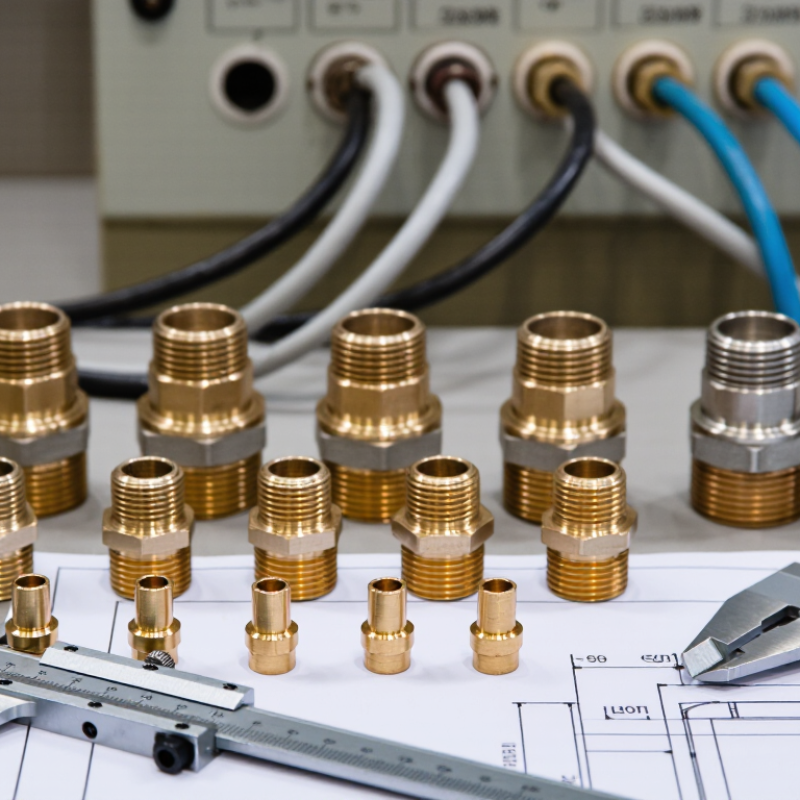
Metal cable glands are mechanical fittings installed where cables enter enclosures, control panels, and junction boxes. They secure the cable while sealing the entry point. Common materials include nickel-plated brass, stainless steel, and aluminum. Each material suits different conditions.
A properly selected gland can block dust, moisture, and unwanted cable movement. Its compression seal grips the outer jacket without crushing the conductors inside. Many designs also provide strain relief, reducing stress near terminals. In wet or dusty locations, the stated ingress rating matters. It should match the enclosure and the working environment, not merely look suitable.
Installation quality remains critical. I have seen reliable glands fail because the cable diameter was measured incorrectly. Check the actual jacket size, thread standard, sealing washer, and tightening torque. An over-tightened seal may deform. A loose seal may admit water. Metal glands can also support bonding or electromagnetic shielding when the design requires it. However, continuity must be verified after assembly; assumptions are not evidence. Good manufacturers and suppliers should provide material details, dimensional drawings, inspection records, and clear test data. Traceable batches are helpful when a connection later needs investigation. Even experienced installers can miss small burrs or uneven enclosure surfaces. That weakness deserves review.
Metal cable glands rely on a small set of engineered components. The body is commonly nickel-plated brass, stainless steel, or aluminum. Brass machines cleanly and suits general industrial enclosures. Stainless steel 316 performs better near salt spray and corrosive washdown. The World Stainless Association reported 58.4 million tonnes of crude stainless steel production in 2023. This reflects broad industrial use, not guaranteed gland quality. Alloy grade, machining tolerance, and surface finish still need verification. Check the thread, bore size, and cable diameter on an actual assembly.
Inside the gland, an elastomer seal compresses around the cable jacket. EPDM handles weathering well, while nitrile rubber resists many oils. Polyamide parts reduce weight, but heat can shorten their service life. A clamping ring grips armored cable, and an earth tag supports bonding continuity. The IEA Electricity 2024 report forecasts approximately 4% annual global electricity demand growth through 2026. More infrastructure can increase demand for reliable cable entry systems. However, growth is not proof of safe design. Manufacturers and suppliers should provide material certificates, torque guidance, sealing ranges, and test conditions. IEC 60529 testing defines ingress protection, but poor installation can reduce the result. Corrosion resistance is sometimes over-specified, while compression damage receives too little attention. Independent inspection remains sensible for outdoor or high-risk installations.
| Component | Common Materials | Main Function | Typical Selection Considerations |
|---|---|---|---|
| Gland body | Nickel-plated brass; stainless steel 304 or 316; aluminum | Houses the cable-entry assembly and provides the main mechanical connection to an enclosure. | Choose according to corrosion exposure, mechanical strength, weight, and compatibility with the enclosure and cable-entry thread. |
| Compression nut or cap | Nickel-plated brass; stainless steel 304 or 316; aluminum | Applies compression to the sealing insert and helps secure the cable. | It should match the gland body material and thread. Tightening requirements depend on the specific gland design and manufacturer instructions. |
| Cable sealing insert | NBR (nitrile rubber); EPDM; silicone; other specified elastomers | Forms a seal around the cable jacket when compressed. | Check cable diameter range, temperature limits, and resistance to relevant oils, water, chemicals, or weather. Elastomer suitability varies by compound. |
| O-ring or body seal | NBR; EPDM; silicone; sometimes fluorocarbon elastomer | Seals the interface between the gland and the enclosure or mounting surface. | Confirm the seal material is compatible with the operating temperature and the substances it may contact; use the specified washer or seal arrangement. |
| Locknut | Nickel-plated brass; stainless steel; aluminum | Secures a threaded gland to an enclosure when the mounting arrangement requires a locknut. | Match the thread and consider the enclosure thickness, available internal clearance, and corrosion conditions. |
| Earth tag or grounding washer | Brass; tinned copper; stainless steel, depending on design | Provides a means of connecting the gland assembly to a protective bonding conductor where required. | Use only where the installation design calls for it. Confirm electrical bonding, conductor connection, and applicable local requirements. |
| Protective cap or shroud | Polyamide; PVC; elastomer; or metal, depending on design | Helps protect the gland exterior from dirt, moisture, or accidental contact. | Check that the accessory is compatible with the gland size and does not interfere with required sealing, bonding, or inspection. |
| Surface finish | Nickel plating on brass; passivated stainless steel; anodized aluminum | Improves surface protection or appearance and can influence resistance to environmental exposure. | Specify the finish together with the base metal. Performance depends on the environment, coating quality, installation, and maintenance. |
| Thread interface | Machined metal threads; common forms include metric, NPT, and other specified thread standards | Connects the gland to the enclosure or mounting accessory. | Verify thread type, nominal size, pitch or form, and enclosure entry requirements. Different thread standards are not automatically interchangeable. |
China’s metal cable gland suppliers commonly provide brass, nickel-plated brass, stainless steel, and EMC cable glands. Each type suits different working conditions. Brass glands fit control cabinets and industrial machinery. Stainless steel performs better in coastal, chemical, and washdown environments. EMC glands add shielding contact for cables carrying sensitive signals. Armored cable glands support cables used in power distribution and heavy equipment.
Applications often determine the gland design. Automation panels need stable strain relief and accurate thread matching. Solar junction boxes require weather resistance and long-term ultraviolet stability. Outdoor lighting needs a tight seal around changing cable diameters. Marine equipment demands stronger corrosion resistance. Field inspections often reveal a simple problem: the gland fits the enclosure, but not the cable.
Protection ratings need careful reading. IP54 limits dust entry and resists splashing water. IP65 provides dust protection and water jets. IP66 handles stronger water jets, while IP67 supports temporary immersion. IP68 depends on the tested depth and duration. The rating is not created by the gland alone. Correct tightening, a suitable sealing range, and an undamaged gasket matter greatly. Reliable Chinese suppliers should provide material details, thread dimensions, test records, samples, and batch inspection evidence. They should also confirm metric, PG, or NPT threads before production. Small details decide performance. Mistakes still happen, especially when drawings are incomplete.
This chart compares commonly specified protection ratings for metal cable glands. The first digit represents protection against solid objects and dust, while the second digit represents protection against water. The values follow the IEC 60529 rating scale: higher numbers indicate a higher rated protection level within each category. Actual performance depends on the complete cable gland, cable diameter, locknut, sealing method, installation, and certification.
Choosing a metal cable gland starts with the cable, not the catalog. Measure the outer diameter, armor type, and entry thread accurately. A loose seal allows dust, moisture, and vibration to enter the enclosure. IEC 62444 provides sizing and performance guidance for cable glands used with electrical installations. Small errors matter.
Check the environment next. IEC 60529 defines IP66 as protection against dust and powerful water jets. IP68 requires immersion conditions agreed between the manufacturer and user. For outdoor machinery, stainless steel or nickel-plated brass can resist corrosion better than untreated metal. In coastal plants, salt spray may expose weak plating within months. Think beyond the first inspection.
Temperature, mechanical load, and grounding also deserve attention. The gland should match the cable’s operating range and strain requirements. For armored cable, verify armor clamping and earth continuity under IEC 62444 testing principles. Industry 4.0 research from MarketsandMarkets continues to link connected factories with higher demands for reliable industrial connectivity. That does not make every premium gland suitable. I have seen projects over-specify material while ignoring thread compatibility. It happens. Confirm metric or NPT threads, sealing range, installation torque, and available test records before approval. A practical sample test under heat, vibration, and water exposure can reveal weaknesses that datasheets hide.
China’s metal cable gland manufacturing landscape combines large export factories, specialized workshops, and trading suppliers. Manufacturers commonly produce brass, stainless steel, and nickel-plated gland bodies for industrial cables. Their capabilities differ sharply. Some operate automated machining lines, while others rely on skilled manual finishing for smaller orders. Buyers should inspect thread accuracy, sealing performance, and strain relief before comparing prices. A polished surface means little if the compression ring slips under vibration.
Experienced suppliers usually support drawings, thread conversions, sealing ranges, and packaging requirements. They may also provide samples for ingress protection tests, salt-spray checks, and temperature evaluations. Ask for material certificates and recent inspection records. Reliable communication matters when cable diameters change during installation. Many factories serve export markets, yet their documentation quality is uneven. This is where careful review prevents expensive delays.
The strongest suppliers explain production limits instead of promising every specification. They identify tolerances, minimum order quantities, tooling fees, and realistic lead times. Site audits can reveal storage conditions, calibration practices, and final inspection routines. A supplier may pass a sample test but struggle with consistent volume production. That weakness deserves attention. In practice, selecting a metal cable gland partner requires technical evidence, transparent communication, and repeated quality checks, not attractive catalogs alone.
Measure the cable’s outer diameter, armor type, and entry thread. Small errors matter. Check the actual cable assembly, not only the catalog.
Nickel-plated brass suits many indoor industrial enclosures. Stainless steel performs better near salt spray and corrosive washdown. Untreated metal may age quickly outdoors.
EPDM handles weathering well. Nitrile rubber resists many oils. Match the seal with temperature, chemicals, and the cable jacket.
It shows the cable diameters the gland can seal correctly. A loose seal may admit dust, water, and vibration. Measure twice.
IP66 protects against dust and powerful water jets. IP68 depends on agreed immersion conditions. Installation quality can reduce the expected protection.
Verify the armor clamping ring and earth continuity. Check bonding under the required test conditions. Poor clamping can create mechanical and electrical problems.
Confirm whether the thread is metric or NPT. Check pitch, size, bore, and enclosure compatibility. Thread mismatch is easy to overlook.
Request material certificates, sealing ranges, torque guidance, and test conditions. Independent inspection is sensible for outdoor installations. A datasheet alone may mislead.
Yes, when the installation faces heat, vibration, or water. Inspect the sample after testing. I would not rely on appearance alone.
No. Over-specifying the metal can distract from compression damage and thread fit. Recheck the full design.
A Metal Cable Gland is a mechanical cable entry device designed to secure, seal, and protect cables where they pass through enclosures, control panels, junction boxes, and industrial equipment. It helps prevent cable movement, reduces strain on internal connections, and limits the entry of dust, moisture, oil, and other environmental contaminants. Its main components typically include a gland body, locknut, sealing ring, clamping element, and protective accessories. Common materials such as brass, stainless steel, and aluminum are selected according to strength, corrosion resistance, temperature, and installation conditions.
Metal cable glands are available in various designs for armored, unarmored, flexible, and specialized cables. They are widely used in manufacturing, energy, transportation, automation, and outdoor infrastructure, with protection ratings chosen according to the project environment. When selecting a gland, users should consider cable diameter, thread type, material compatibility, sealing performance, operating temperature, and required certification. China’s manufacturer and supplier landscape includes a broad range of production capabilities, customization options, quality-control systems, and export services to support different industrial requirements.

Hongxiang