How to Choose the Best Waterproof Cable Gland for Your Needs?

Time:2026-07-14 Author:Mason
0%

Choosing the right Waterproof Cable Gland is crucial for ensuring the longevity and safety of your electrical installations. These components protect against moisture, dust, and other environmental factors. Proper selection can enhance the performance of your cables and devices.

Consider various factors when selecting a Waterproof Cable Gland. Material quality must match the environment. For outdoor use, look for durable materials that withstand harsh conditions. Check the ingress protection (IP) rating to ensure adequate sealing. Many options exist, making the right choice challenging.

Consult experts if uncertainties arise. Professional advice helps avoid costly mistakes. Reflect on past experiences when selecting waterproof solutions. Learning from previous failures can lead to better decisions. Remember, the right Waterproof Cable Gland can prevent damage and extend equipment life.
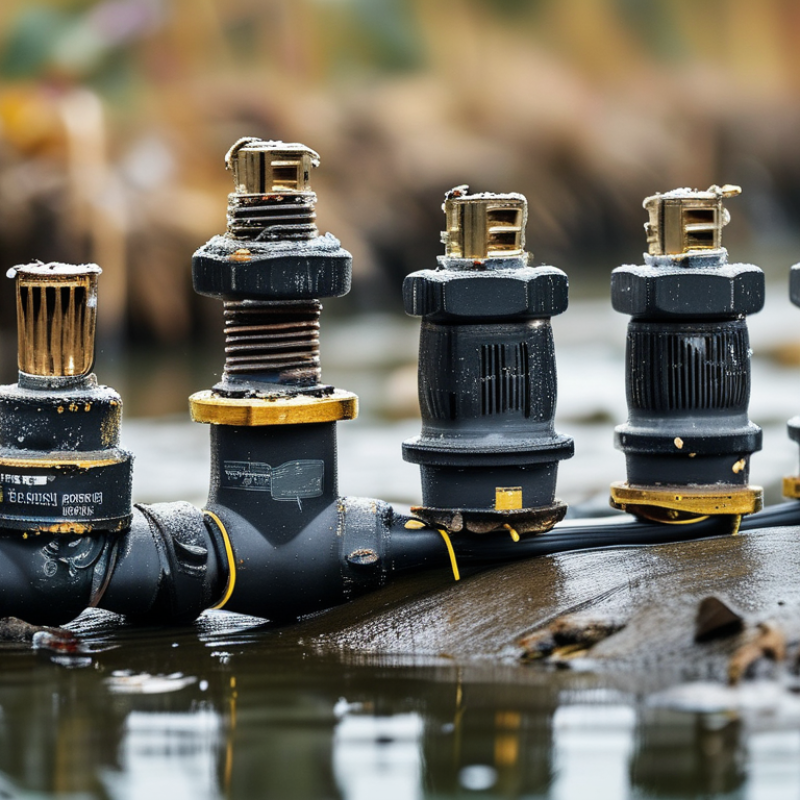
How to Choose the Best Waterproof Cable Gland for Your Needs?

Understanding the Functionality of Waterproof Cable Glands in Various Applications

Waterproof cable glands play a crucial role in various applications, ensuring reliable connections in harsh environments. These components seal cables, preventing moisture and dust ingress. They protect sensitive electrical systems from damage. In industries like marine, outdoor installations, and manufacturing, choosing the right cable gland is essential. It can impact the longevity and safety of equipment.

When selecting a waterproof cable gland, socket design is vital. The gland must match the cable’s diameter and insulation type. Materials should withstand environmental factors like UV rays and temperature variations. These elements can affect performance over time. While it’s essential to consider specifications, one must also reflect on potential installation challenges. Misalignment during installation can lead to failures.

Understanding the required ingress protection (IP) rating is fundamental. Different applications require different levels of protection. Some environments might demand higher ratings if exposure to water or dust is expected. Reflecting on these aspects ensures you choose the best waterproof cable gland. It enhances reliability and helps prevent future complications.

Key Specifications to Evaluate When Selecting Waterproof Cable Glands

When selecting a waterproof cable gland, several specifications are critical. The ingress protection (IP) rating is paramount. An IP68 rating means complete dust resistance and can withstand immersion in water. This level of protection is ideal for harsh environments. The material of the cable gland also matters. Common materials include nylon and brass. Each has benefits regarding strength and chemical resistance.

Consider the operating temperature range. It's essential to choose a gland that can handle extreme temperatures. For instance, some may perform well in icy environments, while others excel in hot conditions. Check the compatibility with the cables you intend to use. The size and type of cable are crucial for maintaining effective sealing.

Tips: Always verify installation guidelines. Incorrect installation can compromise the waterproofing function. It's wise to conduct periodic inspections to ensure ongoing performance. Don’t overlook the importance of a proper sealing mechanism. A good seal may prevent water ingress and protect your equipment.

Evaluate the certification and standards compliance. Look for products that meet industry standards. This often reflects reliability and performance in real-world scenarios. Balancing all these specifications will lead you to the best waterproof cable gland for your specific needs.

Comparative Analysis of Different Materials for Waterproof Cable Glands

When selecting a waterproof cable gland, the material choice is crucial. Several materials are commonly used, each with its unique advantages. For example, polyamide (PA) is popular for its lightweight and durable nature, suitable for indoor applications. Reports indicate that about 70% of users prefer this option due to its cost-effectiveness and ease of installation.

On the other hand, brass cable glands offer better resistance to corrosion. They are often used in harsh environments. Data suggests that brass can withstand temperatures ranging from -40°C to 100°C, making it an excellent choice for outdoor settings. However, their heavier weight could be a drawback in some applications, which may require lighter alternatives.

Ultimately, the choice of material should reflect specific environmental conditions. Consideration for chemical exposure, temperature fluctuations, and mechanical stress is essential. Sometimes, users overlook the nuances of these factors, leading to suboptimal decisions. A thorough understanding and assessment of these parameters can drastically influence performance and longevity.

Industry Standards and Ratings for Waterproof Cable Glands Explained

When selecting a waterproof cable gland, understanding industry standards is essential. These standards define how well a cable gland can perform in harsh conditions. The Ingress Protection (IP) rating is a key measure. It indicates how resistant the gland is to water and dust. For example, an IP68 rating signifies complete protection against both dust and water immersion. This is crucial for applications in marine or industrial environments.

Another important factor is the material of the cable gland. Different materials can affect durability and resistance to corrosion. For instance, brass provides great strength and corrosion resistance, while plastic may suit lighter applications. Always choose materials that align with your specific environmental challenges.

Tips: Always verify the IP ratings when purchasing. Check for additional certifications, such as UL or CE marks. These ensure compliance with international safety standards. Also, consider the installation environment. Extreme temperatures might require special adjustments. Sometimes, we overlook the small details, like sealing methods, which can impact performance. Don't hesitate to reach out to manufacturers for clarification on standards and specifications.

How to Choose the Best Waterproof Cable Gland for Your Needs?

Type IP Rating Material Temperature Range Cable Diameter Range (mm)
Traditional IP68 Polycarbonate -40°C to 100°C 6 - 12
Ex-proof IP68 Aluminum Alloy -60°C to 120°C 8 - 16
Hardened IP67 Stainless Steel -50°C to 150°C 10 - 20
Cable Entry IP69K Nylon -40°C to 90°C 5 - 14

Installation and Maintenance Best Practices for Optimal Cable Gland Performance

When it comes to installing a waterproof cable gland, attention to detail is vital. Ensure the cable entry point is clean and free of debris. Using the right tools can make a difference. A proper torque setting avoids overtightening, which may cause damage. Inspect the environment to confirm it meets the manufacturer's specifications.

Maintenance is equally important for optimal performance. Regular inspections help identify wear or corrosion over time. Replace seals if they show signs of degradation. Keep records of maintenance activities. This will help track performance issues and timely replacements. It’s easy to overlook small details, but these can lead to big problems later.

Reflecting on previous installations can provide valuable insights. What worked? What didn’t? Keeping an open mind may lead to better practices in the future. Even seasoned professionals encounter challenges. By embracing these lessons, you can improve your approach and enhance the longevity of your cable glands.

Waterproof Cable Gland Performance Metrics

FAQS

: What are waterproof cable glands used for?

: They seal cables to prevent moisture and dust ingress in harsh environments, protecting electrical systems.

How do I choose the right waterproof cable gland?

Match the socket design to the cable's diameter and insulation type, considering environmental factors.

Why is the material selection important for cable glands?

Different materials offer unique advantages, affecting durability, resistance to corrosion, and suitability for environments.

What does an IP rating indicate?

It indicates the level of protection a cable gland offers against water and dust ingress.

Can installation challenges affect cable gland performance?

Yes, misalignment during installation can lead to failures, impacting functionality over time.

What temperature range can brass cable glands withstand?

Brass can handle temperatures from -40°C to 100°C, making it suitable for harsh outdoor settings.

Why should I consider chemical exposure?

Chemical exposure can degrade certain materials, potentially leading to failures you may not foresee.

How often do users overlook important details?

Many overlook aspects like sealing methods, affecting cable gland performance and longevity.

What should I verify before purchasing a cable gland?

Always check the IP ratings and look for certifications like UL or CE to ensure compliance.

Why are some users unhappy with their material choices?

Some individuals might choose materials without assessing specific environmental conditions, leading to suboptimal performance.

Conclusion

When selecting the best Waterproof Cable Gland for your needs, it is crucial to understand its functionality across various applications. Waterproof Cable Glands serve to protect electrical connections in harsh environments, ensuring safety and longevity. Evaluating key specifications such as ingress protection ratings, material compatibility, and environmental resistance is essential to make an informed choice.

Additionally, a comparative analysis of different materials used for Waterproof Cable Glands, such as metal versus plastic, can significantly influence their performance and durability. Familiarizing yourself with industry standards and ratings will help ensure compliance and reliability. Finally, following best practices for installation and maintenance is vital for achieving optimal performance, ensuring that your Waterproof Cable Gland operates effectively in demanding conditions.


Mason

Mason

Mason is a seasoned marketing professional with a deep expertise in the company's offerings and a passion for driving brand awareness. With a strong background in digital marketing strategies, he has an innate ability to connect with diverse audiences and effectively communicate product benefits.......