How to Choose a Waterproof Split Cable Gland

Time:2026-10-31 Author:Mason
0%

Choosing a Waterproof Split Cable Gland starts with the cable, not the product photograph. Measure the cable’s outer diameter, then compare it with the gland’s stated clamping range. A split design can simplify installation when a connector is already attached or cables cannot be disconnected. That convenience matters in a crowded control cabinet. It does not guarantee a seal.

Check the enclosure opening, mounting method, and available clearance. Then consider exposure: rain, washdown, dust, vibration, or temperature changes can place different demands on the seal. Look for the manufacturer’s ingress-protection rating, but read its conditions carefully. The rating may depend on a specific cable diameter, correct assembly, and an intact sealing insert. Small details matter. A nicked gasket or unevenly tightened fastener can undermine the result.

Material choice deserves attention too. Nylon may suit many indoor installations, while metal options can offer added durability or shielding features when the application requires them. Confirm compatibility with the cable jacket and surrounding environment. Ask whether the gland provides strain relief, and whether its split sections can be assembled without pinching the cable. These checks are practical, not glamorous. Yet they can prevent rework after installation. One detail is easy to overlook: a gland cannot compensate for a poorly cut enclosure opening. Review the product datasheet, installation instructions, and actual site conditions before choosing. When those details remain uncertain, pause and verify them with the supplier. That extra check is often worthwhile.
How to Choose a Waterproof Split Cable Gland

Understand How a Waterproof Split Cable Gland Works

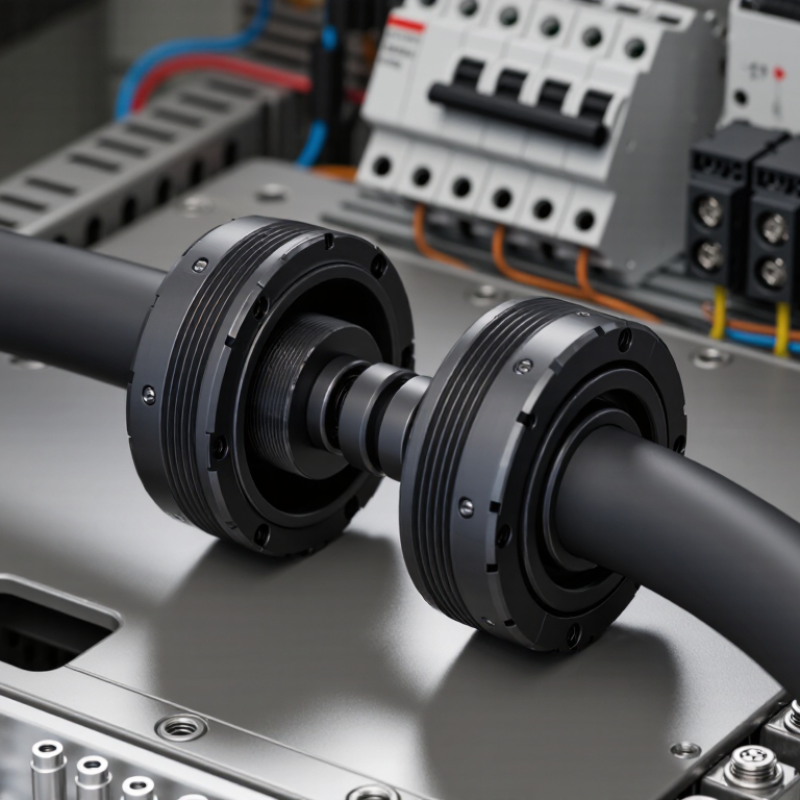
A waterproof split cable gland seals a cable without requiring its connector to be removed. Its two housing halves close around the cable, while an elastomer insert compresses against the cable jacket. A clamp then secures the assembly to the enclosure. That radial pressure helps block water and dust at both the cable and panel opening. The split line is a potential leak path, so careful alignment matters.

Ingress ratings describe tested protection, not a promise for every installation. IEC 60529 defines IP6X as dust-tight; its IPX7 test uses temporary immersion under specified conditions, including up to one metre of water for 30 minutes. IPX8 conditions are agreed for the intended use, so check the test documentation rather than assuming every IP68 gland has the same immersion rating. A gland can also underperform if the cable diameter falls outside its specified clamping range.

Tips: Measure the cable jacket and panel cutout before choosing a gland. Check that the insert fits snugly, the split faces sit flush, and the enclosure surface is clean. Tighten to the manufacturer’s specified torque; overtightening can deform the seal. One easy detail to miss: jacket shape and material may affect the seal, even when the nominal diameter seems right.

Identify Cable Dimensions and Installation Requirements

Measure the cable’s outside diameter, including its jacket, rather than estimating from the conductor size. Check it at several points; jackets can vary slightly or become oval when coiled. Compare the largest reading with the gland’s stated clamping range. Too small, and the seal may not grip. Too large, and forcing the cable through can damage its insulation. Measure carefully.

A split cable gland is useful when a cable already has a connector that cannot be removed. Before choosing one, check the panel opening, thread type, and mounting thickness. Confirm that the split design can close around your cable and that its seals sit flat against the enclosure. A neat fit is not proof of a waterproof seal. Gaps around the cable or panel can let water in.

Think about where the gland will be installed. Outdoor exposure, vibration, temperature changes, and contact with oils may affect material and sealing choices. Check the product’s ingress rating and installation instructions for the conditions you expect; ratings depend on correct assembly. Use the specified tightening method, and avoid overtightening, which can distort seals or cable jackets. It is easy to focus on diameter and miss the enclosure opening. Recheck both before drilling or fitting the gland.

Choose a Gland That Matches the Cable Sealing Range

A waterproof split cable gland seals only when its insert matches the cable’s actual outside diameter. Check the gland’s stated sealing range, then measure the cable jacket with calipers at several points. Do not rely on the nominal cable size; two cables with the same conductor rating can have different jacket diameters. Measure the finished cable, including any sleeve that will pass through the seal. A snug fit matters. Too small, and the insert may not compress evenly; too large, and the cable can shift or leak under movement.

Allow for real-world variation. Jackets may be slightly oval, dusty, or locally scuffed, so measure more than once and use the widest reading. Then choose a gland whose range includes that measurement without placing it at the extreme edge. Check the cable after assembly, too: the split insert should close evenly, with no visible gaps or pinched jacket. Follow the specified tightening method and torque, since extra force does not guarantee a better seal. A useful detail to verify is the enclosure’s required ingress rating and the gland’s rating when installed in the same panel thickness. The range printed on a product sheet is helpful, but it cannot correct a poorly seated insert. Small differences matter here.

Compare Materials and Waterproof Ratings for the Environment

A split cable gland should match both the cable and the conditions around it. Start with the housing material. Nylon is light and resists many common chemicals, but strong sunlight and heat can shorten its service life. Nickel-plated brass handles mechanical stress well and suits many industrial enclosures. Stainless steel is a stronger choice where corrosion, cleaning agents, or salt spray are concerns, though it adds weight and cost. Check the seal material too: EPDM, silicone, and nitrile rubber behave differently with oils, weather, and temperature. Small detail, big consequence.

Waterproof ratings need careful reading. An IP rating applies to a tested assembly, not automatically to every split gland or cable combination. Confirm the rating for the exact gland, cable diameter, enclosure opening, and installation method. For rain and dust, the required protection may differ from a hose-down area or a location that can briefly flood. A split design is convenient for retrofits, but its seam and compression surfaces deserve extra attention during installation. That is easy to overlook. Check that the seal sits evenly, then test the assembled enclosure under realistic conditions when possible. A rating on paper is useful, but the site environment has the final say.

How to Choose a Waterproof Split Cable Gland - Compare Materials and Waterproof Ratings for the Environment

Material or Rating Typical Characteristics Suitable Environment Waterproof Rating Guidance Selection Checks
Polyamide (nylon) Lightweight and electrically insulating; suitable grades can provide good resistance to impact and many common chemicals. UV and temperature performance depend on the specific grade. Indoor equipment, control panels, and general outdoor installations when the product is rated for UV exposure and the local conditions. Commonly available in designs tested to ratings such as IP65 or IP66. Confirm the rating for the complete split gland and its specified cable range. Check UV stabilization, operating-temperature limits, chemical compatibility, cable diameter, and whether the split seal fits the cable jacket.
Nickel-plated brass Rigid metal construction with good mechanical strength. The plating helps protect the surface, but damage to the coating or harsh exposure can affect corrosion resistance. Industrial machinery, equipment enclosures, and locations where a robust metal fitting is preferred and the environment is not strongly corrosive. IP65–IP68 options exist, but the achieved rating depends on the design, seals, cable, enclosure interface, and installation. Check plating condition, galvanic compatibility with the enclosure, corrosion exposure, thread type, and sealing washer requirements.
Stainless steel (for example, grade 316) High mechanical strength and generally better corrosion resistance than ordinary plated metals in many wet or marine settings. It is not immune to corrosion in every chemical or chloride environment. Coastal, marine, food-processing, and other demanding environments when the specific stainless grade and seals are suitable. IP66, IP67, or IP68 versions may be available. A metal body alone does not establish a waterproof rating. Verify the stainless grade, seal material, cleaning chemicals, chloride exposure, and the manufacturer's stated immersion conditions for any IP68 claim.
Aluminum Lightweight metal with useful strength. Corrosion performance depends on the alloy, finish, and surrounding materials. Weight-sensitive equipment and general industrial applications where the environment is compatible with the selected alloy and finish. Use only a complete assembly with a stated IP rating appropriate to the exposure; do not infer water resistance from the housing material. Assess corrosion risk, surface finish, dissimilar-metal contact, cable sealing, and enclosure-entry sealing.
IP54 Protected against harmful dust deposits and water splashing from any direction; it is not dust-tight and is not an immersion rating. Indoor or sheltered locations with light dust and occasional splashes. A possible minimum target for splash exposure where dust-tight protection and water jets are not required. Choose a higher tested rating for frequent washdown, direct jets, heavy dust, or any immersion risk.
IP65 Dust-tight and protected against water jets from any direction under the applicable test conditions. Outdoor or industrial locations exposed to dust and rain or moderate water jets, but not intended for immersion. A practical target for many exposed installations where jet protection is needed and temporary immersion is not expected. Check that the cable gland, seal, cable, and enclosure entry are all installed as specified and covered by the claimed rating.
IP66 Dust-tight and protected against powerful water jets under the applicable test conditions. Locations subject to stronger washdown or more forceful water jets, where immersion is not expected. Consider when IP65-level jet protection may be insufficient. It does not by itself indicate suitability for immersion. Confirm the product is tested for the intended jet exposure and that the cable arrangement matches the tested configuration.
IP67 Dust-tight and protected against temporary immersion in water under specified test conditions. Installations where brief, accidental immersion is possible, such as equipment that may be temporarily submerged. Choose only where the specified temporary-immersion conditions match the real application. IP67 does not automatically mean protection against water jets. Check the test depth and duration stated for the product, cable size, entry orientation, and enclosure-interface seal.
IP68 Dust-tight and suitable for continuous immersion under conditions specified by the manufacturer; the depth and duration are not universally fixed by the IP code alone. Equipment designed for sustained underwater service when the product's declared immersion conditions match the installation. Use only when the declared IP68 conditions cover the required depth and duration. Do not assume it also covers every water-jet exposure. Obtain the exact immersion limits and verify that the complete split-gland assembly, cable, and enclosure interface are rated for them.
Important: IP ratings are determined by testing a complete assembly, not by material alone. For a split cable gland, verify that the rating applies to the exact split design, seal, cable diameter, enclosure entry, and installation method. Follow the product instructions and applicable IEC 60529 requirements.

Check Installation, Maintenance, and Compliance Requirements

A waterproof split cable gland should fit the cable and the installation—not just the panel opening. Measure the cable’s outside diameter over its jacket, then check that it falls within the gland’s stated sealing range. Confirm panel thickness, cutout size, tool clearance, and cable bend radius before fitting. Small details matter. A tight bend beside the seal can pull the cable out of alignment, while an oversized opening may prevent secure mounting. Follow the installation instructions for seal placement and tightening; forcing parts together can damage them.

Plan maintenance access as well. Leave enough room to inspect the seal and disconnect or replace the cable without dismantling nearby equipment. Look for cracked seals, loose fasteners, corrosion, or signs of moisture during scheduled checks. Use the specified tightening method rather than repeatedly retightening by feel. Keep access practical. Dust, cleaning chemicals, sunlight, and temperature changes can affect materials over time, so match the gland materials to the actual site conditions. It is easy to focus on the initial fit and overlook how awkward a later inspection may be.

Ratings need context. Check the product documentation for the ingress-protection rating, cable range, and installation conditions, then compare them with the equipment’s requirements. A gland’s rating alone does not establish the rating of the complete enclosure. Verify applicable standards and certification markings for the destination market and intended use. If the documentation does not clearly cover the cable type or installation method, ask for clarification before purchase.

How to Choose a Waterproof Split Cable Gland: Check Installation, Maintenance, and Compliance Requirements

How to read this chart: The bars show the IPX classification numbers, not a linear measure of protection. Each rating represents a different standardized water test; an immersion rating does not by itself confirm resistance to water jets.

Selection checks: Match the rating to the actual exposure and confirm it applies to the complete assembled enclosure, including the gland, cable, and seal. Check the cable-diameter range, installation instructions and tightening requirements, and inspect seals during maintenance. IPX8 test conditions are specified for the applicable product and test.

Water-test classifications shown are based on IEC 60529.

FAQS

How do I choose the right cable gland size?

Measure the cable jacket with calipers at several points. Include any sleeve that will pass through the seal. Choose a gland whose stated range includes the widest measurement, without sitting at its extreme edge.

Can I use the cable’s nominal size to select a gland?

No. Cables with the same conductor rating can have different outside diameters. Measure the finished cable itself.

What should I check after fitting the split insert?

Check that it closes evenly around the cable, with no visible gaps or pinched jacket. A snug fit matters.

Should I tighten the gland extra for a better seal?

No. Follow the specified tightening method and torque. More force does not guarantee a better seal and may damage parts.

What installation details should I confirm before fitting?

Check the panel thickness, cutout size, tool clearance, and cable bend radius. A tight bend beside the seal can pull the cable out of alignment.

How can I keep the gland accessible for maintenance?

Leave room to inspect the seal and replace or disconnect the cable without dismantling nearby equipment. That detail is easy to overlook.

What should I look for during routine inspections?

Check for cracked seals, loose fasteners, corrosion, and signs of moisture. Dust, cleaning chemicals, sunlight, and temperature changes can affect materials over time.

Does the gland’s ingress rating confirm the enclosure’s rating?

Not by itself. Check the rating, cable range, and installation conditions against the equipment requirements. Verify relevant standards and certification for the intended use and destination market.

What if the documentation does not cover my cable or installation method?

Ask for clarification before purchase. I would not assume the stated range covers every setup.

Conclusion

Choosing a Waterproof Split Cable Gland starts with understanding how its split design lets you fit a cable without disconnecting an installed connector or dismantling the entire cable run. Before selecting one, measure the cable’s outer diameter and consider the opening size, mounting space, cable entry direction, and any nearby connectors. These details help ensure the gland can be installed properly and provide a secure seal.

Match the gland’s sealing range to the cable dimensions, then compare available materials and waterproof ratings with the conditions at the installation site, such as moisture, dust, temperature changes, or exposure to sunlight. Also check the installation method, the ease of future inspection or maintenance, and any relevant project specifications. A careful choice helps protect the enclosure while keeping cable installation practical and reliable.


Mason

Mason

Mason is a seasoned marketing professional with a deep expertise in the company's offerings and a passion for driving brand awareness. With a strong background in digital marketing strategies, he has an innate ability to connect with diverse audiences and effectively communicate product benefits.......