Choosing the right Single Cable Gland is a small decision with large consequences. It affects sealing, strain relief, enclosure protection, and long-term maintenance. A poorly matched gland can leave a visible gap around the cable. Moisture, dust, vibration, and mechanical stress may then reach sensitive equipment.
Industry data shows why this component deserves closer attention. MarketsandMarkets projects the global cable glands market to reach about USD 2.8 billion by 2028, supported by industrial automation, energy, and infrastructure projects. Grand View Research also identifies rising demand for reliable cable-management products in harsh operating environments. These figures reflect market growth, not a guarantee of product quality. Selection still depends on measurable conditions.
“Cable glands should be treated as part of the enclosure system, not as simple accessories,” says cable-gland specialist Peter Smith, a technical contributor to industrial cable-entry guidance. That principle is practical. Check the cable’s outer diameter, armour type, material, thread standard, sealing range, and installation environment. Then compare the gland with IEC 62444 requirements and the enclosure’s IEC 60529 IP rating. Hazardous areas require additional certification, such as IECEx or ATEX, where applicable.
Start with the installation site. Is the cable exposed to salt spray, oil, ultraviolet light, heat, or constant movement? Stainless steel may suit coastal equipment, while nickel-plated brass can provide a balanced industrial option. The choice is not always obvious. A cheaper gland may look acceptable during installation, yet fail after repeated vibration or temperature changes. Careful selection prevents that quiet mistake.
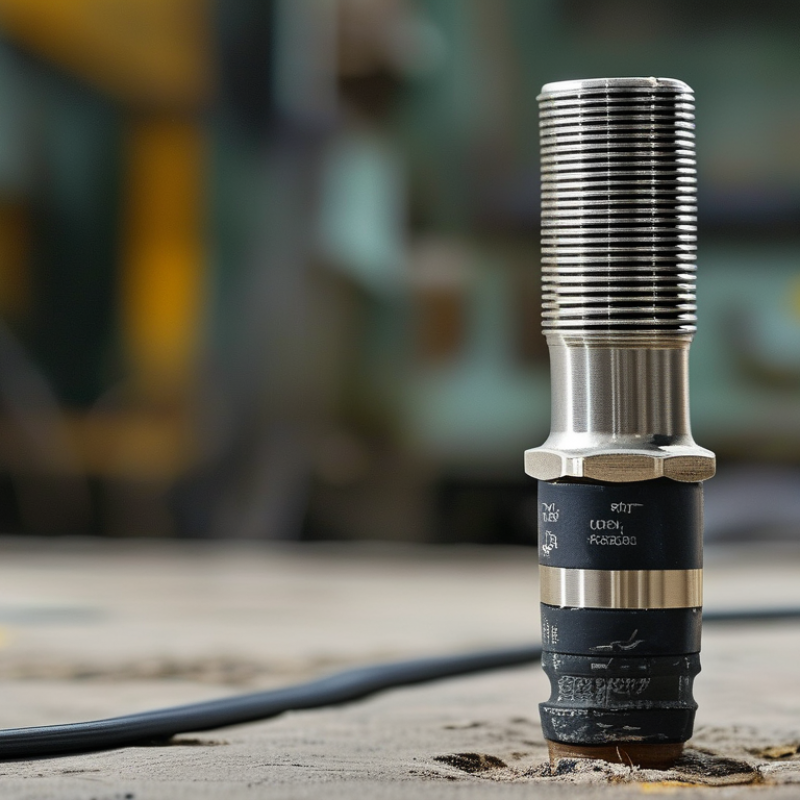
How to Choose the Right Single Cable Gland
Understanding Single Cable Gland Types and Applications
A single cable gland secures one cable where it enters an enclosure. It also helps protect against dust, moisture, vibration, and cable pull. The correct type depends on cable construction and installation conditions. Unarmoured glands suit standard PVC or rubber cables. Armoured glands require clamping features for the armour layers. Barrier glands use sealing compounds when gases or fluids demand extra protection. That choice is often underestimated.
Ingress protection matters. IEC 60529 defines IP ratings, such as IP66 for dust-tight and powerful water-jet protection. Outdoor equipment may need UV-resistant materials, while corrosive sites often require nickel-plated brass or stainless steel. Thread compatibility is equally important. Metric, PG, and NPT threads are not interchangeable. The IEC 62444 standard provides useful guidance for gland dimensions, sealing, and mechanical performance. The International Energy Agency’s Electricity 2024 report expects global electricity demand to grow by about 4% annually through 2026. More installations mean more cable-entry decisions, not fewer.
Tips: Check the cable’s outer diameter, armour structure, thread size, and required IP rating before ordering. Leave room for movement. A tight seal can still fail if the cable bends sharply. Market reports often highlight growth, but they rarely show installation mistakes. Field experience does. Review the gland after commissioning, because small gaps and loose locknuts can appear later.
| Single Cable Gland Type | Typical Body Material | Common Cable Diameter Range | Typical Thread Sizes | Typical Protection Level | Recommended Applications | Key Selection Considerations |
|---|---|---|---|---|---|---|
| Standard Compression Gland | Nickel-plated brass, brass, or polyamide | 3–26 mm | M12–M32; PG7–PG21 | IP54–IP68, depending on design and installation | Control panels, junction boxes, automation equipment, and general industrial enclosures | Match the clamping range to the cable outside diameter and select a sealing insert compatible with the cable jacket. |
| Polyamide Nylon Gland | UV-stabilized polyamide 6 or polyamide 6.6 | 3–25 mm | M12–M32; PG7–PG21 | IP66–IP68, depending on construction | Lightweight control cabinets, lighting systems, instrumentation, and indoor or moderately exposed installations | Offers electrical insulation and corrosion resistance; check UV, temperature, and chemical-resistance requirements before outdoor use. |
| Stainless Steel Gland | Stainless steel, commonly grades 304 or 316 | 4–44 mm | M16–M50 | IP66–IP68, depending on sealing system | Food-processing areas, marine equipment, chemical plants, wastewater facilities, and corrosive environments | Grade 316 is generally preferred where chloride exposure, salt spray, or aggressive cleaning chemicals are present. |
| EMC Cable Gland | Nickel-plated brass or stainless steel with conductive contact parts | 4–38 mm | M16–M50; other thread systems available | IP66–IP68, with EMC performance dependent on installation | Variable-frequency drives, motor control panels, data cabinets, industrial automation, and power-electronic equipment | Ensure the gland makes reliable 360-degree contact with the cable shield or armor and use a suitable enclosure bonding arrangement. |
| Armored Cable Gland | Nickel-plated brass, brass, or stainless steel | 8–55 mm overall cable diameter | M20–M63 | IP54–IP68, depending on gland type and assembly | Power distribution, industrial plants, outdoor equipment, and installations using steel-wire-armored or wire-braid-armored cables | Confirm armor type, inner-bedding diameter, overall cable diameter, earth-continuity requirements, and enclosure thread. |
| Barrier or Compound-Sealed Gland | Nickel-plated brass, brass, or stainless steel | 6–55 mm | M20–M63 | IP66–IP68; hazardous-area certification may also apply | Hazardous locations, petrochemical facilities, gas-processing plants, and equipment requiring enhanced gas or flame-path sealing | Use only when the cable construction, compound system, temperature range, and required hazardous-area certification are compatible. |
| Strain-Relief Gland | Polyamide, brass, or stainless steel | 3–25 mm | M12–M32; PG7–PG21 | IP44–IP68, depending on design | Portable equipment, machine tools, robotics, control devices, and applications subject to cable movement or pulling forces | Choose a grip range that securely holds the cable jacket without crushing conductors or restricting the required bend radius. |
| Liquid-Tight Gland | Polyamide, nickel-plated brass, or stainless steel with elastomeric seals | 4–38 mm | M16–M50; NPT 1/2–1 1/2 | Commonly IP66, IP67, or IP68 | Outdoor control boxes, pumps, washdown areas, irrigation systems, HVAC equipment, and machinery exposed to water or oils | Verify resistance to water pressure, oils, coolants, cleaning agents, temperature extremes, and the cable jacket material. |
| Flat-Cable Gland | Polyamide or nickel-plated brass | Flat cables approximately 3–18 mm wide | M16–M32 | IP54–IP68, depending on sealing insert | Solar equipment, battery systems, elevator controls, compact machinery, and installations using ribbon or flat-profile cables | Use a sealing insert designed for the cable profile; a standard round-cable gland may not provide reliable sealing. |
Selection note: Cable diameter ranges and protection ratings are typical industry values. Always verify the gland’s certified clamping range, thread standard, operating temperature, enclosure requirements, cable construction, and applicable installation standards before selection.
: It secures one cable where it enters an enclosure. It also limits dust, moisture, vibration, and cable pull. A proper seal matters.
Use an unarmoured gland for standard PVC or rubber cables. Armoured cables need clamping features for their armour layers. Barrier glands use sealing compounds for demanding gas or fluid conditions. This choice is often underestimated.
Measure the cable’s actual outer diameter with a suitable tool. Do not rely only on the printed cable label. For a 10–14 mm cable, choose a sealing range covering those measurements. Measure twice.
Confirm the thread type, pitch, nominal size, and enclosure thickness. Metric, PG, and NPT threads are not interchangeable. For example, M20 × 1.5 must match the equipment entry. A sample fit can reveal hidden problems.
The required rating depends on dust, rain, spray, and installation exposure. IP66 provides dust-tight protection and resistance to powerful water jets. Check the complete assembly, not only the gland. A loose locknut can defeat a good seal.
Polyamide often suits indoor locations with moderate moisture. Plated metal offers stronger mechanical support and higher heat tolerance. Stainless steel can suit salt air, washdown zones, and corrosive atmospheres. The grade still matters.
EPDM generally suits water-based conditions. FKM often handles oils and many chemicals more effectively. Silicone stays flexible across wide temperature ranges, but chemical resistance varies. Review concentration, temperature, and exposure time together.
Yes, sharp cable bends can damage the seal over time. Small gaps may appear after commissioning. Inspect the entry, locknut, cable jacket, and sealing surface. A neat installation can still be wrong.
Choosing the right Single Cable Gland begins with understanding the different types available and matching them to the cable’s application, construction, and installation environment. Carefully measure the cable diameter, entry dimensions, and required thread standard to ensure a secure and compatible fit. The gland material should also suit surrounding conditions, such as moisture, dust, temperature changes, oils, or chemical exposure, helping maintain reliable performance over time.
Sealing quality and protection ratings are equally important, especially where equipment may face water, dirt, vibration, or mechanical stress. Review the installation requirements, including tightening methods, available space, and strain relief needs, to prevent cable damage and ensure consistent sealing. Finally, compare safety features, relevant certifications, durability, maintenance demands, and total service value rather than focusing only on the initial purchase cost. A well-selected gland can improve system protection, simplify installation, and support dependable long-term operation.

 Hongxiang