The M63 Cable Gland plays a crucial role in electrical installations. Ensuring proper sealing and protection, it prevents moisture and dust ingress. Recent industry reports estimate the global market for cable accessories, including cable glands, to reach over $5 billion by 2027. As technology advances, the demand for reliable electrical components grows, highlighting the importance of choosing the right cable gland.
Selecting the best M63 Cable Gland requires understanding its material, application, and environmental factors. Many professionals emphasize the need for compatibility with different cable types. A suitable cable gland ensures durability and safety in various conditions, including extreme temperatures and corrosive environments. However, not all products on the market meet industry standards. Some may lack certification, leading to potential risks in electrical systems.
In conclusion, understanding the nuances of the M63 Cable Gland is essential for professionals and industries alike. With the right choice, one can enhance the longevity and reliability of electrical installations. However, continuous research is necessary to keep pace with evolving technologies and standards.
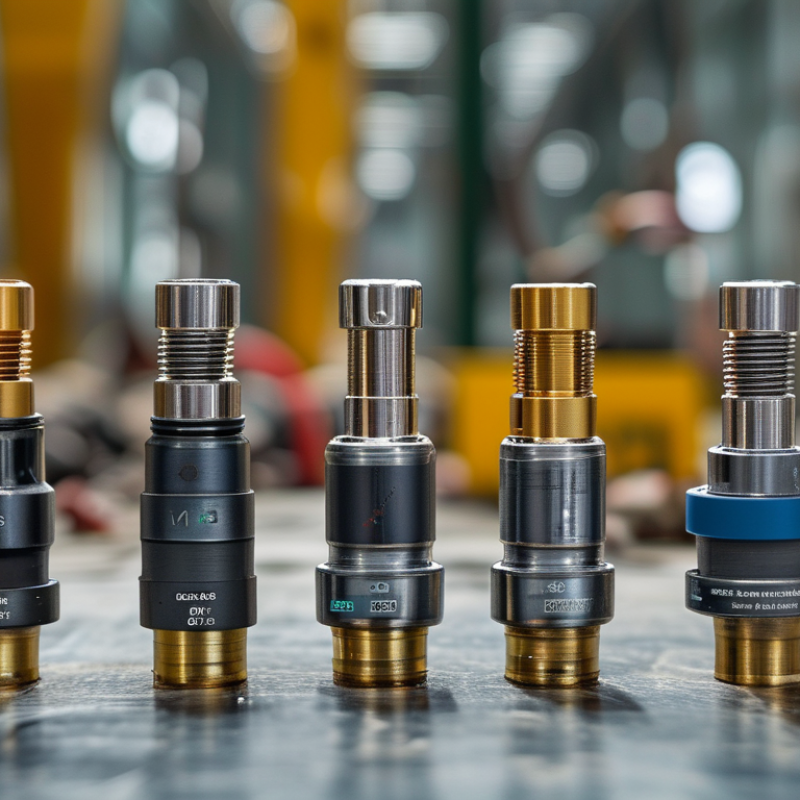
What is an M63 Cable Gland and Its Purpose?
The M63 cable gland is an essential component in electrical applications. Its primary purpose is to provide a secure and protective entry point for cables into equipment. This is crucial for maintaining the integrity of electrical connections in various environments. According to industry reports, approximately 25% of cable failures can be traced back to inadequate sealing and protection methods.
These cable glands are designed to prevent moisture, dust, and other contaminants from entering electrical enclosures. This protection is vital in harsh environments. For instance, in manufacturing plants, exposure to chemicals and dust can result in equipment failure. Selecting the right M63 cable gland can mitigate such risks. It’s important to consider the material, sealing methods, and environmental ratings.
Additionally, using improper cable glands may lead to significant safety hazards. In electrical installations, improper sealing may increase the risk of short circuits. The right M63 cable gland can enhance safety, improve performance, and reduce maintenance costs. However, some users may fail to recognize the importance of these components. This oversight can lead to costly repairs and downtime. Proper education and awareness are necessary to avoid these pitfalls.
Key Features and Specifications of M63 Cable Glands
M63 cable glands are vital components in electrical installations. They secure and protect cables, preventing dust and moisture from entering. These glands are particularly essential in harsh environments, ensuring reliable performance.
Key features of M63 cable glands include their material composition. They are often made from durable materials like nylon or brass. This enhances their strength and resistance to corrosion. Another important specification is the IP rating. A higher IP rating indicates better protection against water and dust. Look for options with IP68 to ensure maximum protection.
When selecting an M63 cable gland, consider the cable diameter. It should match precisely to ensure a snug fit. Incorrect sizing can lead to failures. Also, the operating temperature is critical. Choose a gland that can withstand the specific temperature range of your application.
Tips: Always double-check the specifications of your chosen gland. Small discrepancies can lead to significant issues. Keep a note of environmental factors. This can affect the performance and longevity of the cable gland. Don't overlook installation practices either; improper installation may negate benefits.
Factors to Consider When Choosing an M63 Cable Gland
When selecting an M63 cable gland, several critical factors should guide your decision. Understanding the environment where it will be used is essential. For example, if the cable is installed in a hazardous location, you may need an explosion-proof design. Reports suggest that over 30% of electrical failures in industries are due to inadequate sealing. Therefore, the ingress protection (IP) rating of the gland is paramount. An IP rating of at least IP68 is often recommended for wet or dusty conditions.
Material selection also plays a vital role. Choosing the right material can prevent corrosion. Stainless steel and brass are common choices, with stainless steel offering superior durability in harsh conditions. Consider the operating temperature range as well. Some reports indicate that 15% of premature failures occur due to thermal stress from improperly rated glands.
Tip: Examine local standards and regulations. Compliance ensures safety and reliability. Another tip is to review installation manuals carefully. Incorrect installations lead to issues that can be costly to rectify. Do not underestimate the importance of thorough research and consultation with experts. Taking these steps can help you select the most suitable M63 cable gland for your needs.
Common Applications and Industries Using M63 Cable Glands
M63 cable glands are crucial in various industries, serving to protect electrical connections from environmental hazards. They are widely used in sectors like oil and gas, manufacturing, and renewable energy. According to a recent industry report, nearly 25% of cable failures in these sectors result from inadequate sealing, highlighting the importance of selecting the right gland.
In the oil and gas industry, M63 cable glands are essential for ensuring the integrity of electrical systems in hazardous environments. They help prevent exposure to moisture, dust, and explosive materials. In renewable energy, such as wind and solar, they protect cables against varying weather conditions. Proper selection of cable glands can greatly enhance the safety and reliability of electrical installations.
Tips: Always choose M63 cable glands with appropriate ingress protection ratings. This ensures resistance to water and dust. Assess the operating temperature range to avoid failures. Regular inspections can reveal potential issues before they escalate, ensuring ongoing reliability.
Adapting to specific applications and environmental challenges is key. Some users overlook the need for compatibility between cable and gland materials, leading to performance issues. Reflect on the unique demands of your applications to avoid future complications.
What is M63 Cable Gland and How to Choose the Best? - Common Applications and Industries Using M63 Cable Glands
| Parameter |
Description |
| Material |
Brass, Plastic, Stainless Steel |
| Ingress Protection Rating |
IP66, IP67, IP68 |
| Temperature Range |
-40°C to +100°C |
| Cable Type |
Flexible, Rigid, Armored |
| Common Applications |
Industrial Equipment, Oil & Gas, Marine Applications |
| Industries |
Manufacturing, Telecommunications, Automation |
| Certifications |
CE, UL, RoHS Compliant |
Installation and Maintenance Tips for M63 Cable Glands
When it comes to installing M63 cable glands, proper techniques can enhance safety and performance. Regular inspection is crucial. According to industry reports, around 30% of electrical failures stem from inadequate gland installation. Ensure that all seals are intact to prevent moisture ingress. Examine cable entries for any signs of wear. Over time, vibrations can loosen connections, so conduct routine checks.
Maintenance of M63 cable glands should not be overlooked. Cleaning is essential to remove dust and grime that may affect functionality. Use non-corrosive cleaners to avoid damaging materials. An estimated 15% of equipment downtime is linked to neglected maintenance of cable glands. Be aware of the operating environment. Extreme temperatures and humidity can alter performance, so select materials that can withstand these conditions.
Calibration of cable glands is a vital yet often ignored aspect. Incorrect strain relief can lead to cable fatigue. Seek guidance from experienced professionals when making adjustments. Investing time in understanding specific installation guidelines cannot only extend the lifespan of cable glands but also ensure compliance with safety standards. Aim for proactive measures over reactive solutions to mitigate potential risks.
Conclusion
The M63 Cable Gland is an essential component used in various electrical installations to secure and protect cable entries, ensuring environmental integrity and safety. It features robust specifications designed to withstand factors such as temperature fluctuations, moisture, and mechanical stress, making it suitable for diverse applications across multiple industries.
When selecting the best M63 Cable Gland, several factors must be considered, including compatibility with cable sizes, environmental ratings, and material resilience. Proper installation and routine maintenance are crucial to ensuring the longevity and effectiveness of the cable gland. This comprehensive understanding allows users to make informed decisions that enhance both safety and performance in their electrical systems.

 Hongxiang