When choosing a Nylon Reinforced Cable Gland in China, several factors come into play. The market offers various options that cater to different needs. This type of cable gland is known for its durability and resilience. It's commonly used in harsh environments.
Many manufacturers claim to provide the best options. However, not all products meet high standards. It’s essential to assess the quality of materials used. The nylon reinforcement significantly enhances the cable gland’s performance. A solid design can prevent moisture and dust infiltration.
Customers often overlook specific details when making their choices. Not every brand guarantees long-lasting use. It's wise to consider certifications and customer reviews. This approach can save time and costs in the long run. Remember, making an informed decision is crucial. The right Nylon Reinforced Cable Gland could enhance safety and efficiency in your applications.
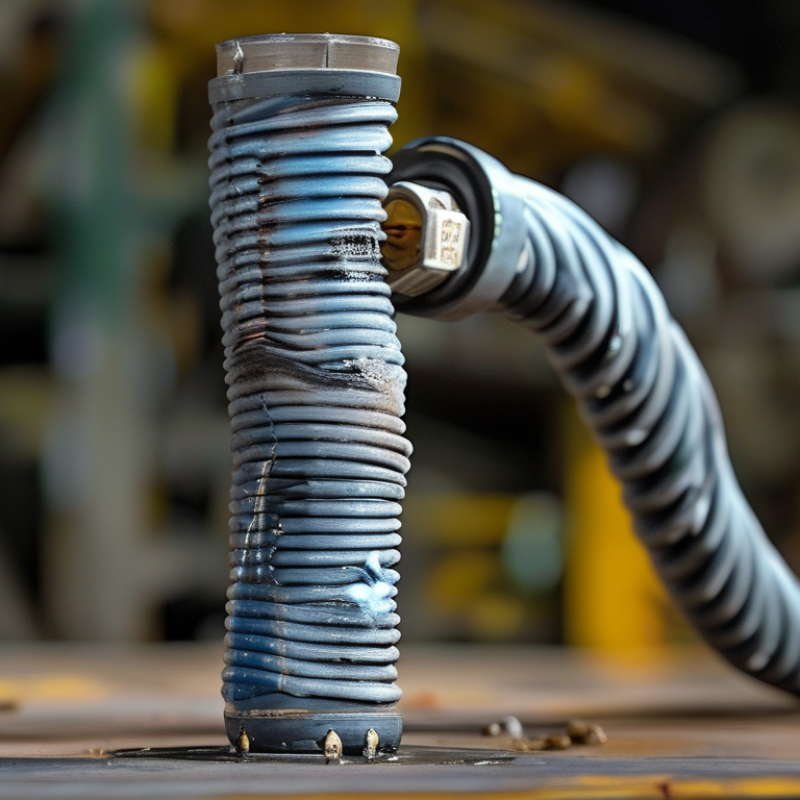
Nylon reinforced cable glands are essential in numerous industries across China. These components are crucial for protecting electrical cables from environmental harm. A covered report from the China Electrical Equipment Industry Association indicates a steady growth of 7% annually in this sector. Increased interest in durable and lightweight materials like nylon plays a significant role in this trend.
These cable glands excel in resisting moisture and chemicals. They ensure optimal performance even in harsh conditions. However, many users underestimate the long-term impact of environmental exposure on these products. Data suggests that nearly 30% of failures in electrical systems relate to inadequate cable protection. This statistic highlights the need for quality assessment in engineering practices.
Choosing the right nylon cable gland can be challenging. The market offers a plethora of options, each with different specifications. Many companies struggle to find the best fit for their applications. Inadequate understanding often leads to mismatched selections. A detailed analysis of industry standards can mitigate these issues and enhance reliability. This is an area where continuous learning and adaptation are essential.
In 2023, the market for nylon reinforced cable glands in China shows promising growth. Recent reports indicate a CAGR of approximately 8% in the cable gland segment, driven by increased demand in the electrical and telecommunications sectors. This growth aligns with the expanding infrastructure projects across urban and rural areas.
Market analysts note a shift towards environmentally friendly materials. Companies are increasingly prioritizing sustainability. Nylon, known for its durability and resistance to various chemicals, remains a favored choice for manufacturers. Its adaptability in harsh environments makes it ideal for diverse applications.
Consumer preferences are evolving too. There is a noticeable trend toward products that offer enhanced safety features. Many customers prefer cable glands that ensure optimal sealing and protection from dust and water. The rise in smart technologies also influences product demand. As businesses adopt IoT solutions, the need for reliable components grows. Adapting to these trends will be crucial for manufacturers aiming to stay competitive in a rapidly changing market.
Nylon reinforced cable glands are essential components in various industries, ensuring secure and efficient connections in electrical installations. In China, the manufacturing sector for these components is rapidly evolving, driven by both domestic demand and international markets. A recent industry report highlights that the nylon cable gland market is expected to grow by approximately 6% annually, reflecting increased usage across sectors, including telecommunications and automotive.
Key manufacturers in China have embraced innovative production techniques. These companies focus on durability and compliance with international standards. For instance, many products are designed to withstand extreme temperatures and corrosive environments. The challenge lies in maintaining consistent quality while scaling up production. Some manufacturers still struggle with quality assurance, which is crucial given the potential risks in electrical applications.
Local manufacturers benefit from China's robust supply chain. They have access to quality materials, reducing lead times. However, competition is fierce, and not all manufacturers meet the desired specifications. Buyers often need to conduct thorough evaluations of potential suppliers. According to market analysis, companies that prioritize transparency and customer feedback tend to report higher satisfaction levels. Building reliable partnerships is key in this competitive landscape.
Nylon is increasingly preferred in cable gland applications due to its unique properties. With a tensile strength of over 60 MPa, nylon offers durability and resilience. Its lightweight nature aids in the ease of installation and reduces the burden on cables. In harsh environments, nylon cable glands withstand chemicals and moisture better than some traditional materials.
A significant advantage of nylon is its temperature resistance. It operates effectively between -40°C to +100°C, making it suitable for various applications. According to recent industry studies, nylon cable glands have a failure rate lower than 2% in extreme conditions. This reliability has made nylon a preferred choice for industrial sectors.
Examining its fire retardant qualities, nylon meets several safety standards. However, manufacturers must ensure the correct grade is used. In some instances, nylon may degrade under prolonged UV exposure. Attention to material selection is crucial to avoid failures. This highlights the ongoing need for quality assurance in production processes. While nylon offers many advantages, understanding its limitations is essential for optimal application.
Nylon reinforced cable glands are essential in various industries in China. They connect cables to equipment while ensuring protection against dust and moisture. In sectors like construction, telecommunications, and manufacturing, their reliability is crucial.
Nylon cable glands comply with industry standards, ensuring safety and functionality. They often meet IEC and UL requirements. However, not all products may adhere to these standards. Buyers must verify certifications whenever possible. Reliable products help prevent failures and enhance overall project efficiency.
**Tips:** Always check the material specifications of cable glands. Not all nylon types are equal; some perform better under specific conditions. Consider environmental factors that might affect performance, such as temperature and exposure to chemicals. A well-informed choice can save time and money in the long run.
: They protect electrical cables from environmental damage and ensure secure connections in installations.
The market is growing due to increased demand for durable and lightweight materials like nylon.
The variety of options and specifications can lead to confusion, making it hard to select the right product.
Many users underestimate that exposure can cause long-term damage, leading to failures in electrical systems.
They typically need to meet IEC and UL requirements for safety and functionality.
Conduct thorough evaluations and prioritize manufacturers known for transparency and customer feedback.
Common industries include construction, telecommunications, and manufacturing.
Always check for certifications and material specifications to ensure they meet desired standards.
Factors like temperature and chemical exposure can significantly influence their effectiveness and durability.
They need to maintain quality while embracing innovative production techniques to meet market demands.
Nylon reinforced cable glands have become increasingly popular in China due to their excellent material properties and versatility in various applications. The market for cable glands is witnessing notable growth in 2023, driven by advancements in technology and rising industrial demands. These cable glands offer superior resistance to environmental factors, ensuring longevity and reliability in electrical installations.
Key manufacturers in China are focusing on enhancing the design and performance of nylon reinforced cable glands to meet industry standards and specifications. The advantages of using nylon in these products include improved durability, resistance to chemical corrosion, and moisture protection, making them suitable for a wide range of applications across different sectors. As the market continues to evolve, nylon reinforced cable glands are positioned to play a crucial role in the future of electrical component use in diverse industries.

Hongxiang