Ultimate Tips for Choosing Plastic Cable Glands Effectively?

Time:2026-09-02 Author:Henry
0%

Selecting the right plastic cable glands can significantly impact your project's success. According to John Smith, a renowned expert in cable management solutions, "Choosing the right plastic cable glands is crucial for ensuring long-term performance." This highlights the importance of making an informed decision when it comes to plastic cable glands.

When exploring options, consider various factors such as material, sealing capability, and application environment. For instance, not all plastic types offer the same level of durability or resistance to environmental factors. You might find yourself questioning whether a standard gland can withstand harsh conditions. Quality and reliability matter most in critical installations.

Moreover, understanding the specific requirements of your project is essential. While many assume that all plastic cable glands suit all needs, this is often a misconception. The wrong choice can lead to failures and increased costs over time. Taking the time to analyze your options will ultimately pay off in performance and safety.
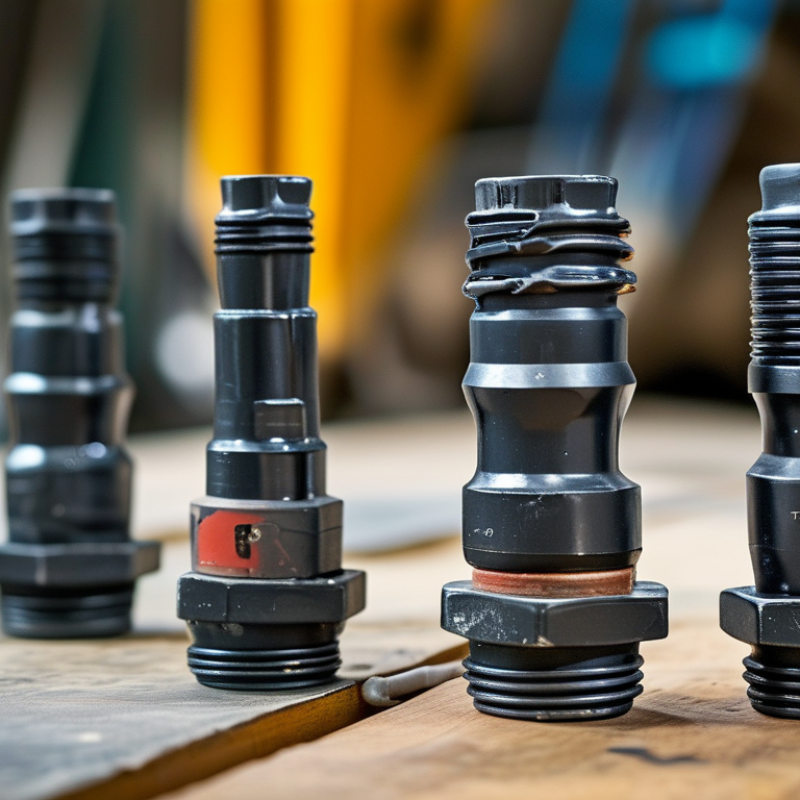
Ultimate Tips for Choosing Plastic Cable Glands Effectively?

Understanding the Purpose of Plastic Cable Glands in Electrical Applications

Plastic cable glands play a crucial role in electrical applications. They provide essential protection for cable entries in various environments. Proper sealing prevents moisture, dust, and other contaminants from entering electrical enclosures. Industry estimates indicate that more than 30% of electrical failures are due to inadequate sealing. This highlights the significance of choosing the right cable gland.

When selecting plastic cable glands, consider the environmental conditions. Factors like temperature, humidity, and chemical exposure must align with gland specifications. For instance, certain polyethylene materials can withstand temperatures ranging from -40°C to 100°C. Yet, they may not be suitable for specific chemical environments. Users often underestimate the impact of these factors. A mismatched gland can lead to equipment failure.

Additionally, the installation process should not be overlooked. Incorrectly installed glands can compromise their effectiveness. A survey noted that 25% of users faced issues related to improper installation. Understanding the user manual and following guidelines is vital. However, many still skip this crucial step. Balancing quality and cost is key. Striking the right chord here can enhance durability and performance in demanding applications.

Key Factors to Consider When Selecting Plastic Cable Glands

When selecting plastic cable glands, several key factors should be prioritized to ensure optimal performance. Materials play a significant role. Common options include PVC, nylon, and polypropylene. A report by the International Electrotechnical Commission found that nylon offers high resistance to harsh environments. It's essential to consider the gland's environmental rating. Look for IP (Ingress Protection) ratings to determine their suitability for moisture, dust, or corrosive substances.

Temperature resistance is another critical factor. Many plastics can withstand varying ranges, typically between -40°C to 100°C. An ASTM performance study indicated that prolonged exposure to high temperatures significantly reduces plastic integrity. Therefore, assess your specific application to choose a gland that meets temperature requirements.

Sizing is equally important. A good snug fit prevents strain on the cable. However, over-tightening can lead to damage. The lack of standardization in sizing can be confusing. Users should measure cables accurately and refer to manufacturer guidelines. This often-overlooked detail can save time and prevent future issues. Keep in mind that not all manufacturers provide consistent specifications. Evaluate multiple reports to find reliable data before making your choice.

Material Compatibility and Environmental Considerations for Cable Glands

When selecting plastic cable glands, material compatibility is a key factor. Different plastics offer varying resistance to environmental stressors. For instance, UV exposure can degrade some plastics over time. Therefore, it's crucial to choose materials designed for outdoor use if the application involves sunlight. High-quality plastics, like polycarbonate or nylon, provide better durability against such conditions.

Environmental considerations also play a significant role in making an informed choice. Assessing the cable gland's application environment helps in selecting the right material. Some plastics may not withstand extreme temperatures or chemical exposure. It's beneficial to consider factors like humidity or the presence of corrosive substances. This evaluation process can avert potential failures and maintenance issues later.

It’s important to reflect on the long-term implications of your choice. Sometimes, opting for cheaper materials may lead to increased costs due to replacements. Documenting any failures can provide insights into material performance. Therefore, understanding the operational context and material properties is essential for making effective decisions on plastic cable glands.

Different Types of Plastic Cable Glands and Their Suitable Uses

When choosing plastic cable glands, understanding their types is crucial for effective use. The most common types include PG, NPT, and metric cable glands. PG glands are often used in Europe, while NPT is popular in North America. Metric sizes are widely adopted in various industrial applications. Each type serves specific functions, so knowing where to apply them can enhance performance.

For outdoor installations, consider using UV-resistant plastic cable glands. They withstand harsh weather conditions. In contrast, indoor installations can utilize standard plastic options that are often less expensive. It’s essential to assess the environment before making a choice. Some may overlook this aspect, leading to premature failures.

Evaluating factors such as cable size and strain relief is important. Ensure the gland size matches the cable diameter. A loose fit can cause water ingress, while a tight fit may damage the cable. Double-checking measurements can prevent these issues. Ultimately, selecting the right type of plastic cable gland can improve durability and reliability in your projects.

Ultimate Tips for Choosing Plastic Cable Glands Effectively

Type of Plastic Cable Gland Material Ingress Protection Rating (IP) Temperature Range (°C) Suitable Uses
Standard Plastic Cable Gland Nylon (PA) IP68 -20 to 100 General Electrical Applications
Heavy-Duty Plastic Cable Gland Polycarbonate IP68 -40 to 120 Industrial Environments
Flame-Retardant Plastic Cable Gland Flame-Retardant Nylon IP66 -20 to 80 Applications Requiring Fire Safety
Cable Gland with Strain Relief Polypropylene IP67 -10 to 85 Sensitive Electronics and Cables
Cable Gland for Outdoor Use UV Resistant Nylon IP65 -20 to 90 Outdoor Electrical Applications

Installation and Maintenance Tips for Optimal Performance of Cable Glands

When installing plastic cable glands, proper preparation is essential for optimal performance. Begin by selecting the right gland for the cable size and application. This may seem straightforward, but failing to match these specifications can lead to complications. Ensure the area where you will install is clean and dry. A dirty environment can introduce contaminants that affect seal integrity.

During installation, avoid over-tightening the gland. This error can lead to damage. Instead, tighten just enough to create a secure seal without stressing the material. Check for even pressure around the cable. This balance helps maintain performance. After installation, regular checking is crucial. Conduct visual inspections to catch any signs of wear or damage early.

Maintenance is often overlooked but is vital for longevity. Ensure that the sealing surfaces remain intact, and replace any damaged parts promptly. Regular inspection should not be too rigid; it can be integrated into routine checks of the surrounding equipment. Flexibility in maintenance schedules allows for better adaptability to unforeseen challenges. This approach not only ensures reliability but also extends the lifespan of your setup, reminding us that ongoing care is just as important as the initial install.

FAQS

: What is the main purpose of plastic cable glands in electrical applications?

: They protect cable entries from moisture, dust, and contaminants. Proper sealing is essential for preventing failures.

Why is sealing important in electrical installations?

Over 30% of electrical failures occur due to inadequate sealing. It's critical to choose the right cable gland for safety.

What factors should be considered when selecting plastic cable glands?

Environmental conditions like temperature, humidity, and potential chemical exposure are vital. Mismatched glands can cause failures.

What issues may arise from improper installation of cable glands?

Incorrectly installed glands can compromise their sealing effectiveness. About 25% of users report installation-related problems.

How can one ensure correct installation of plastic cable glands?

Always read the user manual and follow installation guidelines. Skipping these steps can lead to complications.

What types of plastic cable glands are commonly used?

Common types include PG, NPT, and metric glands. Each type serves specific functions and is suited for different applications.

When should UV-resistant plastic cable glands be used?

They are ideal for outdoor applications where harsh weather is a concern. Indoor options can be cheaper and less robust.

How does cable size affect the choice of a plastic cable gland?

The gland size must match the cable diameter. A loose fit can allow water ingress, while a tight fit may damage the cable.

How can users balance quality and cost in selecting cable glands?

Opt for a gland that meets environmental criteria without exceeding budget. This balance enhances durability and performance.

What mistakes do users commonly make when choosing cable glands?

Many overlook environmental assessment or select glands based on cost alone. This can lead to premature equipment failures.

Conclusion

Plastic cable glands play a crucial role in ensuring the safety and efficiency of electrical applications by providing protection for cables and connections from environmental factors. To choose the right plastic cable glands effectively, one must consider several key factors including material compatibility with the cables and the specific environmental conditions they will be exposed to, such as temperature extremes and moisture levels.

Different types of plastic cable glands are available, each suited for particular applications, making it essential to identify the appropriate type for your needs. Additionally, proper installation and ongoing maintenance are vital for optimal performance, ensuring that the cable glands continue to provide reliable protection over time. By understanding these aspects, users can make informed decisions when selecting plastic cable glands for their projects.


Henry

Henry

Henry is a dedicated marketing professional with a profound expertise in the company's offerings. With years of experience in the industry, he possesses an impressive understanding of the market dynamics and consumer behaviors that drive success. Henry is committed to sharing his insights through......