Choosing the right Cable Gland Seal can determine whether an installation stays protected or develops costly failures. In industrial settings, a small seal may face oil, dust, vibration, moisture, and repeated temperature changes. A gland that looks suitable on a workbench may perform poorly outdoors or near moving equipment. Details matter.
This guide presents ten practical tips for selecting a dependable Cable Gland Seal. It examines cable diameter, thread type, enclosure rating, sealing material, temperature range, chemical exposure, and installation conditions. It also explains why matching the gland to the cable jacket is essential. A seal compressed too tightly can damage the cable. One fitted too loosely can allow water or dust to enter.
Check the datasheet.
Experienced installers usually measure the actual cable, not only its nominal size. They also verify IP performance under the intended installation conditions and follow the manufacturer’s torque guidance. Relevant product standards, such as IEC 62444, can provide a useful technical reference, but certification claims still require careful checking. Not every supplier presents testing information clearly. That is worth questioning.
The most reliable choice balances protection, compatibility, service life, and installation practicality. A stainless-steel gland may suit corrosive areas, while a nylon option may reduce cost in lighter-duty environments. However, material selection can become overly simplistic. Real performance depends on the complete assembly, including the enclosure, locknut, washer, and cable movement. These ten tips aim to support better decisions, while leaving room for site-specific review and professional verification.
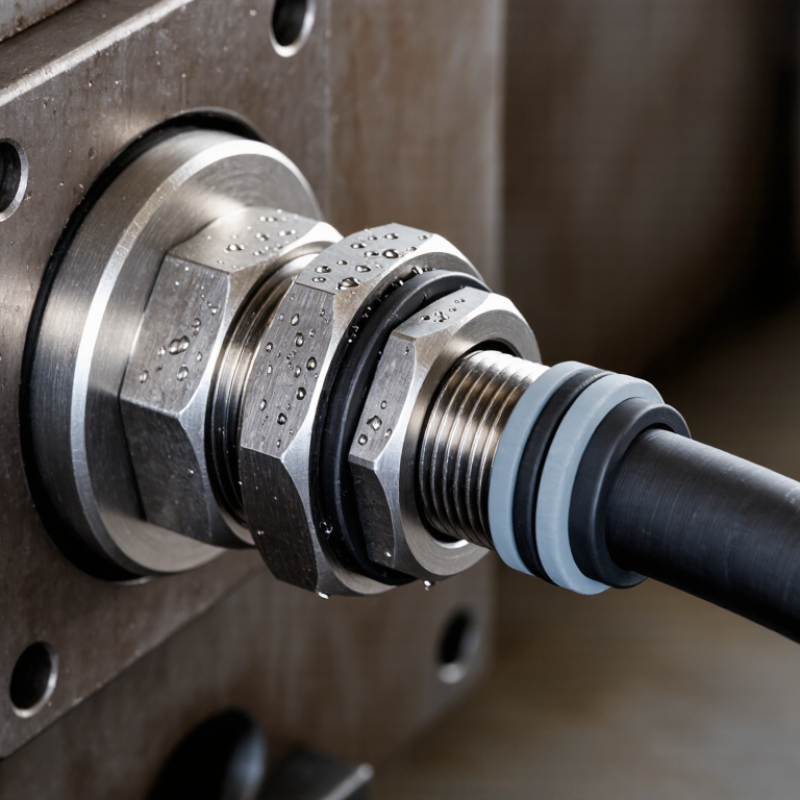
Choosing the right cable gland seal starts with three measurements: cable diameter, thread size, and gland dimensions. Measure the cable jacket, not the conductor bundle. Include any braid or outer sheath that the seal must grip. A small error matters.
1. Record the minimum and maximum cable diameter.
2. Match the gland’s sealing range to those values.
3. Identify the enclosure thread, such as metric or another specified thread form.
4. Check thread pitch and diameter carefully. Similar threads can appear compatible, but they may not seal correctly. Do not guess.
IEC 62444 provides requirements and test methods for cable glands. Use its dimensional guidance when reviewing gland size, thread engagement, sealing parts, and mechanical protection.
5. Check the required panel-hole diameter.
6. Confirm the available panel thickness.
7. Verify the gland’s overall length and internal clearance.
8. Select a seal suitable for moisture, dust, oil, temperature, and movement. A dry indoor cabinet needs less protection than outdoor equipment.
9. Confirm strain relief for the cable’s weight and routing direction.
10. Follow the specified tightening method and inspect the seal after installation. Over-tightening can damage the jacket. Under-tightening can allow water or dust inside.
I have seen drawings pass review while ignoring cable bends near the gland. That mistake is easy to repeat. Leave practical bending space, and check the final assembly rather than trusting dimensions alone.
Choosing the right cable gland seal starts with the environment, not the cable diameter. In field inspections, small material mismatches often cause early cracking, swelling, or water entry. Check the lowest and highest operating temperatures. Silicone suits broad temperature changes, while some elastomers harden in cold conditions. Do not trust the temperature number alone. Repeated heating and cooling can matter more than one extreme reading.
Review chemical exposure carefully. Oils, fuels, cleaning agents, acids, and solvents attack seal materials differently. Nitrile often handles petroleum-based oils well, but outdoor ozone can shorten its service life. EPDM performs well against weathering and some chemicals, yet it may react poorly with oils. Fluoroelastomer materials can offer stronger chemical and heat resistance, but cost and application limits still deserve attention. Always compare concentration, exposure time, and temperature with the supplier’s technical data. A compatibility chart can still mislead.
Inspect UV and flame risks together. Outdoor glands need seals tested for sunlight, ozone, and rain, especially on rooftops or exposed cabinets. For flame-prone areas, verify the complete gland assembly’s tested rating. The seal alone does not create flame protection. Check the enclosure’s required ingress rating, too. Correct tightening matters. Over-compression can damage the seal, while under-tightening may invite moisture and dust. Leave room for aging, movement, and installation error. Real conditions are rarely perfect.
| No. | Selection Tip | Seal Material or Design Option | Typical Temperature Guidance | Chemical and Moisture Compatibility | UV and Flame Exposure | Practical Recommendation and Limitation |
|---|---|---|---|---|---|---|
| 1 | Start with the actual operating temperature | NBREPDMSilicone | NBR is commonly used at approximately −40°C to +100°C. EPDM is commonly used at approximately −40°C to +150°C. Silicone can typically cover approximately −60°C to +180°C, depending on the compound. | Temperature limits must include heat from the cable, enclosure, nearby equipment, and solar loading. Short-term peaks may require a separate rating from continuous service. | UV and flame performance depend on the complete compound and gland construction, not only the base polymer. | Use the highest expected continuous temperature, plus a reasonable design margin. Confirm the seal maker’s compound-specific data before final approval. |
| 2 | Match the seal to oils, fuels, and lubricants | NBRFKM | NBR is generally suitable for moderate temperatures and petroleum-based fluids. FKM is commonly selected for higher-temperature oil and fuel exposure, often around −20°C to +200°C depending on grade. | NBR generally provides good resistance to mineral oils, greases, and many hydraulic fluids. FKM usually offers stronger resistance to fuels, mineral oils, and many aggressive chemicals. | Many FKM compounds have good weathering performance, but flame resistance must still be verified separately. | Do not assume compatibility with every fuel, additive, or bio-based fluid. Check volume swell, hardness change, and long-term aging data. |
| 3 | Choose EPDM for hot water and weathering service | EPDM | Typical continuous service is approximately −40°C to +150°C, with the exact limit determined by the formulation and compression conditions. | EPDM generally performs well with hot water, steam, dilute acids, dilute alkalis, ozone, and many polar chemicals. It is generally unsuitable for petroleum oils and fuels. | EPDM normally offers very good resistance to ozone, sunlight, and outdoor aging. Standard EPDM should not be treated as a certified flame-retardant material without test evidence. | Prefer EPDM for outdoor, wet, and hot-water applications when oil or fuel contact is not expected. |
| 4 | Use silicone when flexibility and wide temperature range are priorities | Silicone | Many silicone sealing compounds operate approximately from −60°C to +180°C, with some formulations supporting higher short-term temperatures. | Silicone generally resists water, ozone, weathering, and many dilute chemicals, but it has limited resistance to fuels, oils, concentrated acids, and strong solvents. | Silicone typically has excellent UV and ozone resistance. Flame performance varies widely; some grades are self-extinguishing while others are not. | Select silicone for cold flexibility, outdoor exposure, or elevated temperatures, but avoid it where continuous fuel or oil contact is expected. |
| 5 | Select FKM for demanding chemical and high-temperature exposure | FKM | A typical service range is approximately −20°C to +200°C. Low-temperature flexibility can be limited unless a low-temperature formulation is specified. | FKM generally provides strong resistance to mineral oils, fuels, many hydrocarbons, and numerous chemicals. Compatibility can be poor with hot water, steam, strong bases, and some polar solvents. | Many FKM compounds have good resistance to sunlight and ozone. Flame performance must be confirmed for the specific compound and gland assembly. | Use FKM when chemical resistance and high-temperature performance outweigh the need for very low-temperature flexibility or steam resistance. |
| 6 | Consider neoprene for balanced outdoor service | CR / Neoprene | Typical continuous service is approximately −40°C to +100°C, although the practical range varies with formulation and mechanical loading. | Neoprene generally offers moderate resistance to oils, greases, ozone, weathering, and dilute acids. It is not the best choice for strong solvents or high-temperature fuel exposure. | It usually provides good weathering and ozone resistance. Some compounds have useful flame performance, but a flame rating must be supported by the applicable test report. | Choose neoprene for general outdoor equipment where moderate oil resistance and weathering resistance are both required. |
| 7 | Use PTFE when chemical resistance is the main requirement | PTFE | PTFE can commonly operate from approximately −200°C to +260°C, subject to gland design, pressure, creep, and sealing geometry. | PTFE has exceptionally broad chemical resistance and is generally resistant to fuels, oils, acids, alkalis, and many solvents. Mechanical sealing behavior must be evaluated separately. | PTFE is nonflammable in normal use but can produce hazardous decomposition products if severely overheated. UV resistance is generally excellent. | Use PTFE for aggressive chemicals or extreme temperatures when low friction and creep behavior are acceptable. Verify compression, cold flow, and installation requirements. |
| 8 | Separate UV exposure from flame-retardant performance | UV-stabilized polymerFlame-rated compound | Adding UV stabilizers or flame retardants can change the temperature range and mechanical properties of a seal. | Fire-retardant additives may affect chemical resistance, compression set, and long-term aging. Always evaluate the final compound rather than the generic material name. | Outdoor UV resistance and flame resistance are different properties. A seal can resist sunlight without meeting a flame test, or meet a flame test without being suitable for prolonged UV exposure. | Request separate evidence for UV aging and flame behavior. Do not infer one rating from the other. |
| 9 | Check flame exposure at the complete assembly level | Flame-rated gland assemblyBarrier design | Fire exposure can create temperatures far above the normal operating temperature. The gland, seal, locknut, washer, and enclosure interface must be evaluated together. | Smoke, toxic gas generation, chemical contamination, and loss of sealing pressure may be relevant during a fire event. | Look for the required enclosure, ingress-protection, flame, smoke, or hazardous-area certification for the complete product and installation method. | A generic elastomer seal is not automatically flame-rated. Use a documented assembly test or certification that matches the intended application. |
| 10 | Validate compression, cable diameter, and aging | Correct seal sizeCompatible gland geometry | Temperature cycling can cause expansion, contraction, hardening, or compression set. These effects may reduce sealing pressure even when the material temperature rating appears adequate. | Fluid absorption and swelling can alter the seal’s grip on the cable. Chemical exposure should be assessed together with compression, movement, and installation torque. | UV, heat, and flame exposure can accelerate cracking, embrittlement, shrinkage, or loss of elasticity. | Confirm cable outer diameter, seal range, minimum and maximum cable size, installation torque, ingress target, and expected service life before selecting the gland. |
IEC 60529 defines how enclosures resist dust and water. The rating describes protection, not overall product quality. A cable gland marked IP54 resists limited dust entry and water splashes from any direction. It suits sheltered panels and light industrial areas. Not harsh washdown zones.
IP66 provides dust-tight protection and withstands powerful water jets. It is a practical choice for outdoor cabinets, machinery, and dusty workshops. IP67 adds temporary immersion protection, usually up to one metre for 30 minutes.
However, IP67 does not automatically equal IP66. That detail is often missed. If jets and immersion are both possible, verify dual testing.
IP68 supports continuous immersion under conditions specified by the manufacturer. Those conditions may include depth, time, and cable arrangement. Do not treat IP68 as a universal promise. Check the test details carefully.
Match the gland seal to the cable’s actual outer diameter, not its nominal size. Inspect the seal after tightening. A small gap can defeat an impressive rating. Correct torque, clean threads, and an undamaged cable jacket also matter.
In field checks, installation errors appear surprisingly often. I sometimes focus too heavily on the printed IP code. The complete assembly deserves equal attention.
Temperature, chemicals, vibration, and repeated cable movement may require a different sealing material. Reconsider the choice before installation.
Choosing the right cable gland seal starts with strain relief, not appearance. In field inspections, I have seen loose glands allow cable movement, vibration, and premature seal damage. A suitable gland should grip the cable jacket without crushing it. Pull the cable by hand. It should not creep.
Check the cable construction before selecting the seal. Armored cable needs a gland that matches armor type, diameter, clamping method, and bonding requirements. Measure the cable, including armor layers, rather than trusting a general size label. Small errors matter. The seal must close evenly around the jacket. For outdoor installations, examine temperature, moisture, oil, and dust exposure. A seal designed for dry interiors may fail beside a washdown area.
UL 514B compliance deserves careful verification. Ask for current certification details, applicable ratings, and installation instructions. Do not assume that every product described as “UL compatible” is certified for your exact use. The listing may cover specific sizes, materials, or configurations. Confirm the marking on the product and compare it with the certification record. I once accepted a supplier’s summary without checking the full scope. That shortcut created unnecessary rework. Review torque guidance, locknut fit, and enclosure thickness before installation. Leave room for inspection. A rushed seal can look correct while hiding poor armor contact or incomplete strain relief.
A cable gland seal should protect more than the cable entry. In coastal plants, salt residue can settle around threads, locking rings, and exposed metal surfaces. NEMA 4X corrosion protection is therefore a practical requirement, not just a specification line. Check the enclosure and gland assembly as a complete system. A compliant seal should resist water, dust, and corrosive atmospheres during expected service conditions.
Tip 1: Request material details, test evidence, and the exact NEMA 4X scope. Stainless steel, coated metal, and engineered polymers behave differently under salt exposure. Also inspect the sealing element. It must remain flexible after temperature cycling, ultraviolet exposure, and repeated maintenance. Small cracks often appear before failure becomes obvious. Do not rely on appearance alone.
Tip 2: Match the gland to the cable diameter, jacket material, and installation environment. Excessive compression may damage the jacket, while insufficient compression can invite moisture. Follow the specified torque carefully. In field work, this step is often rushed. I have seen otherwise strong installations weaken because the seal was fitted unevenly.
Tip 3: Consider long-term performance, not only initial certification. Review operating temperature, chemical contact, washdown frequency, and vibration. Confirm replacement parts will remain available. A useful checklist can prevent assumptions, although it cannot replace site inspection. Recheck the seal after commissioning and during scheduled maintenance.
Measure the finished cable jacket, including braid or outer sheath. Do not measure only the conductor bundle. Record the smallest and largest diameters. A small error can cause leakage.
Compare the gland’s sealing range with both measured diameter values. The cable must fit comfortably within that range. Do not force an almost-matching seal.
Confirm the enclosure thread type, diameter, and pitch. Metric and similar threads may look compatible. They may still fail to seal. Do not guess.
IEC 62444 offers requirements and test methods for cable glands. Review sealing parts, thread engagement, dimensions, and mechanical protection. The standard does not replace checking the actual enclosure.
Check the panel-hole diameter and available panel thickness. Confirm the gland’s overall length and internal clearance. A correct drawing can still fail near a sharp cable bend.
Check the lowest and highest operating temperatures. Also review heating and cooling cycles. Oils, fuels, cleaners, acids, and solvents affect materials differently. A compatibility chart can mislead.
Silicone handles broad temperature changes well. Nitrile often suits petroleum-based oils, but ozone may shorten its life. EPDM handles weathering, yet oils can damage it. Fluoroelastomers may resist heat and chemicals better, with higher cost.
Check resistance to sunlight, ozone, and rain. Verify the tested rating of the complete gland assembly. The seal alone does not provide flame protection. Confirm the enclosure’s required ingress rating.
Follow the specified tightening method. Over-tightening can crush or crack the cable jacket. Under-tightening can admit water and dust. I still inspect the seal afterward.
Confirm strain relief for the cable’s weight and routing direction. Leave practical bending space beside the gland. Movement and aging matter. Dimensions alone are not enough.
Choosing the right Cable Gland Seal is essential for protecting cables, equipment, and electrical enclosures in demanding environments. Begin by measuring the cable’s outer diameter and confirming the required thread size and gland dimensions according to IEC 62444. Select seal materials that can withstand the expected temperature range, chemical contact, ultraviolet exposure, and flame conditions. The seal should remain flexible and reliable throughout the equipment’s service life.
Environmental protection is equally important. Use IEC 60529 ratings to select the appropriate level of resistance, from IP54 for basic protection to IP66, IP67, or IP68 for stronger protection against dust and water. Also verify strain relief performance, compatibility with armored cables, and compliance with UL 514B where applicable. For outdoor, coastal, or industrial installations, consider NEMA 4X corrosion protection and evaluate long-term performance under moisture, vibration, temperature changes, and other site conditions. A careful comparison of these factors helps ensure safe, durable, and dependable cable entry protection.
Hongxiang