Top 10 Benefits of Using Cable Gland Flexible Conduit?

Time:2026-08-23 Author:Mason
0%

In the electrical industry, the importance of reliable and robust cable management cannot be overstated. Experts agree that one of the most effective ways to achieve this is through the use of Cable Gland Flexible Conduit. John Smith, a leading engineer in the field, once noted, "Cable Gland Flexible Conduit is essential for protecting cables against various environmental challenges." This protective solution enhances both safety and longevity.

Cable Gland Flexible Conduit offers numerous advantages. It provides flexibility, making installation easier in complex spaces. Additionally, it protects against moisture and dust, ensuring optimal performance. Various materials, including plastic and metal, cater to different application needs. Some users, however, still hesitate to adopt this conduit, fearing high costs or potential installation difficulties.

A closer look reveals that the benefits often outweigh these concerns. Investing in quality conduit can reduce long-term repair costs. The adaptability of Cable Gland Flexible Conduit can significantly streamline wiring processes. Once installed, it also minimizes the risk of downtime due to cable damage. This perspective encourages a deeper reflection on the initial hesitations and highlights the conduit’s role in modern installations.
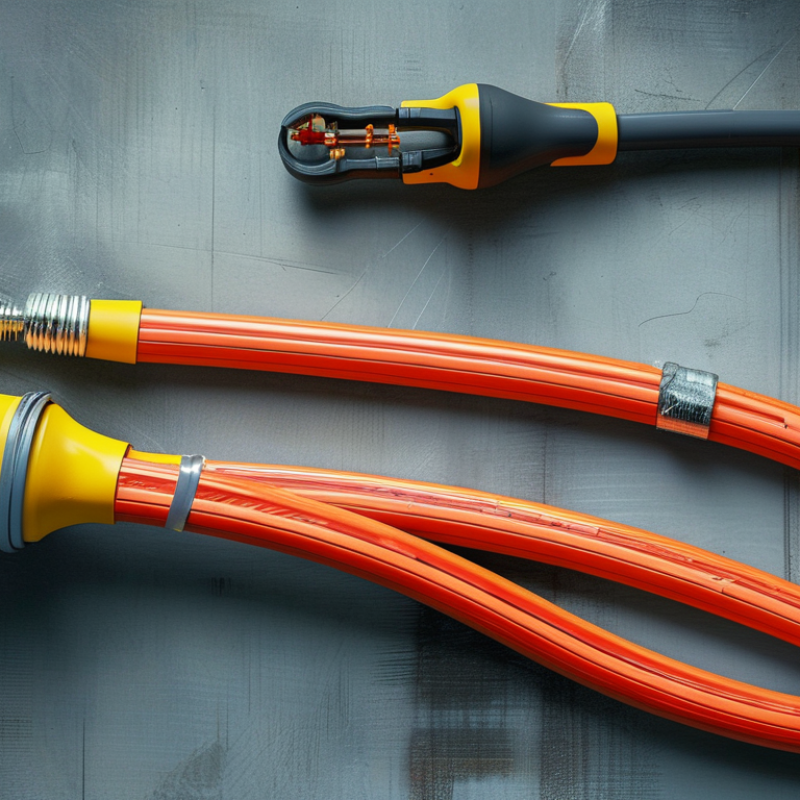
Top 10 Benefits of Using Cable Gland Flexible Conduit?

Benefits of Enhanced Protection Against Environmental Factors

Cable gland flexible conduits offer significant protection against environmental factors. These conduits are generally made from durable materials. They shield wires and cables from moisture, dust, and harmful chemicals. This ensures longevity and usability in harsh conditions. Environmental extremes can cause failures. Flexible conduits prevent such issues, making cables safer and more reliable.

The design of these conduits enhances resistance to abrasion and temperature fluctuations. They are ideal for industrial applications, where exposure to various elements is common. Without proper protection, cables may deteriorate quickly. The reliable barrier provided by conduit helps maintain functionality. Frequent maintenance can become costly and time-consuming. Investing in a quality conduit reduces these headaches.

However, it is important to regularly inspect conduits for wear. Some users overlook signs of damage, assuming the conduit is still effective. Routine checks help identify potential failures before they lead to larger issues. Balancing immediate costs with long-term reliability is crucial. A flexible conduit not only enhances protection but also contributes to overall system efficiency. Over time, this can lead to significant savings.

Top 10 Benefits of Using Cable Gland Flexible Conduit

Improved Flexibility for Complex Electrical Installations

When it comes to complex electrical installations, flexibility is key. Cable gland flexible conduits are designed to adapt seamlessly to various environments. Their malleable nature allows for easy routing around obstacles and tight spaces. Technicians can maneuver these conduits effortlessly, ensuring a clean and organized setup.

The use of flexible conduits significantly reduces the risk of damage to electrical wiring. Rigid conduits may crack or break when forcibly bent. In contrast, flexible conduits can bend without compromising integrity. They provide reliable insulation and protection, even in challenging locations. This means fewer repairs and less downtime, which is vital in any industrial setting.

However, using flexible conduits is not without its challenges. Incorrect installation can lead to unintended problems, such as water ingress or abrasion. It is crucial to choose the right fittings and ensure proper sealing. Regular maintenance checks can reflect the quality of the installation and identify potential issues early on. With a thoughtful approach, the benefits of flexibility can truly enhance an electrical project's efficiency and reliability.

Ease of Installation and Maintenance for Electrical Systems

Cable gland flexible conduit systems stand out for their ease of installation and maintenance. They are designed to accommodate a variety of applications, from industrial to residential settings. This versatility is essential for electricians and technicians who face different environments and requirements.

The installation process is straightforward. With user-friendly designs, these conduits save time and effort. Technicians can quickly cut and assemble them without specialized tools. Many systems provide snap-on features. This means fewer parts to handle and a quicker setup.

Maintenance is equally simple. Accessing wires for repairs or upgrades is easy. Flexible conduits allow for movement without compromising integrity. However, there can be challenges. Misalignment during installation might lead to problems later. Regular checks are necessary to ensure optimal performance. Investing time in proper installation pays off long-term.

Contributions to Safety Standards in Electrical Infrastructure

Cable glands and flexible conduits are crucial in ensuring safety in electrical infrastructure. These components protect wires and cables from environmental elements. They help avoid damage from moisture, dust, and chemicals. In hazardous locations, proper sealing can prevent explosions. It's important to adhere to safety standards that guide installation practices.

Organizations often overlook the importance of quality in cable management. Poor choices can lead to failures and unsafe conditions. Regular inspections are vital to maintaining safety. However, many practitioners struggle to implement comprehensive check-ups, which can compromise safety. Understanding and applying safety standards can reduce risks and enhance reliability.

Not all installations will meet safety expectations. In some cases, users are unaware of local regulations. Misinterpretation can lead to hazardous configurations. Educating teams about safety protocols is necessary. Sharing knowledge about best practices can bridge gaps in understanding. Engaging in continual learning ensures that safety remains a priority in electrical installations.

Cost-Effectiveness and Longevity of Cable Gland Flexible Conduits

Cost-effectiveness and longevity are key advantages of using cable gland flexible conduits. These conduits provide robust protection for critical electrical wiring in various environments. According to industry studies, the lifecycle cost of flexible conduits can be reduced by up to 30% compared to traditional rigid conduits.

Flexible conduits are made from materials that last longer and resist wear and tear. They are designed to withstand harsh conditions, including temperature fluctuations and chemical exposure. Research published by industry experts indicates that flexible conduits can last over 20 years with proper installation. This longevity leads to fewer replacements and lower maintenance costs.

Additionally, the initial investment in flexible conduits is often outweighed by their long-term benefits. For example, a recent report highlighted that facilities using flexible conduits experienced a 25% reduction in installation time. This efficiency can significantly lower labor costs. While flexible conduits might have a higher upfront cost than other materials, the savings over time make them a wise choice for many projects.

FAQS

: What are flexible conduits made of?

: They are made from durable materials that protect against moisture, dust, and chemicals.

Why are flexible conduits important?

They shield wires from environmental factors, ensuring reliability and longevity in harsh conditions.

How do flexible conduits enhance cable protection?

They resist abrasion and temperature changes, keeping cables functional in industrial applications.

What maintenance is required for conduits?

Regular inspections are needed to check for wear and damage that could compromise performance.

Is installation of flexible conduits complicated?

No, they feature user-friendly designs for quick and straightforward installation without special tools.

What should technicians watch for during installation?

They must avoid misalignment, as it may lead to issues later. Proper installation is crucial.

How do flexible conduits affect long-term costs?

Investing in quality conduits reduces maintenance headaches and leads to significant savings over time.

Can flexible conduits be used in residential settings?

Yes, they are versatile and can adapt to various applications, including residential areas.

What happens if conduits are not regularly inspected?

Failing to check for damage can lead to significant issues and potential system failures later.

What benefit do conduits provide beyond protection?

They improve overall system efficiency, contributing to more reliable performance in electrical systems.

Conclusion

The article "Top 10 Benefits of Using Cable Gland Flexible Conduit" outlines several key advantages of incorporating cable gland flexible conduits in electrical installations. First and foremost, these conduits provide enhanced protection against environmental factors, safeguarding electrical systems from moisture, dust, and other potential hazards. Their improved flexibility allows for easy adaptation in complex installations, facilitating seamless routing through tight spaces and around obstacles.

Additionally, the ease of installation and maintenance associated with cable gland flexible conduits contributes to increased efficiency in electrical work. These conduits also play a crucial role in adhering to safety standards, ensuring that electrical infrastructures are reliable and secure. Furthermore, their cost-effectiveness and longevity make them a practical choice for both short-term projects and long-term applications, ultimately delivering significant value to users.


Mason

Mason

Mason is a seasoned marketing professional with a deep expertise in the company's offerings and a passion for driving brand awareness. With a strong background in digital marketing strategies, he has an innate ability to connect with diverse audiences and effectively communicate product benefits.......