In the realm of hazardous environments, the choice of an Ex Cable Gland is crucial for safety and performance. Industry expert Dr. Sarah Mitchell, a renowned electrical engineer with over 15 years of experience, emphasizes, "Selecting the right Ex Cable Gland can prevent catastrophic failures in explosive atmospheres." This statement highlights the critical role these components play in various applications.
Ex Cable Glands are essential in ensuring the integrity of cable entries in numerous industries. These glands protect against dust, moisture, and explosive gases. When choosing the right gland, buyers must consider materials and certifications. Not all options meet the stringent requirements for safety and functionality in hazardous areas.
Moreover, not every Ex Cable Gland is suitable for every application. Awareness of specific environmental conditions is vital. Some cables experience harsh treatment, yet their glands must perform reliably. This selection process can be challenging, demanding precise knowledge and understanding. Ultimately, the goal is to enhance safety without compromising efficiency.
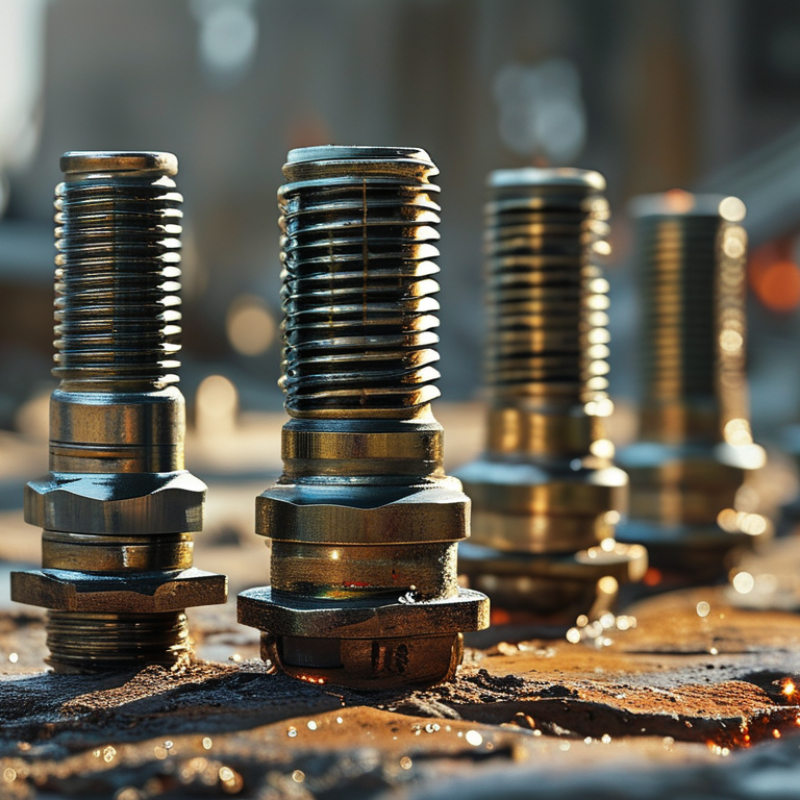
Cable glands play a crucial role in electrical applications. They provide a secure entry point for cables into equipment while ensuring safety and reliability. A well-designed cable gland protects against dust, moisture, and mechanical stress. According to industry reports, over 80% of electrical failures are linked to inadequate sealing and protection.
Select the right cable gland materials based on the application environment. For example, stainless steel is ideal for harsh conditions, while plastic can suffice for less demanding scenarios. Consider factors such as temperature fluctuations and exposure to chemicals when making your choice.
Tip: Always ensure compatibility between the cable and the gland to maintain integrity. Misalignment can lead to failures. The right installation process is also essential. Improper tightening can compromise the seal, resulting in potential hazards.
Regular maintenance checks are vital for long-term reliability. Ensure that your installation is inspected periodically to catch any early signs of wear or damage. Ignoring these checks could lead to costly downtime in critical infrastructure.
This chart illustrates the popularity of various types of cable glands used in electrical applications, highlighting their significance in different environments.
When selecting cable glands for global markets, several important factors come into play. Material choice is crucial. Choosing between plastic and metal can significantly impact durability and resistance to environmental factors. Plastic glands often suffice for indoor use, while metal options excel in harsh conditions. Always consider the ambient environment where the product will be installed.
Another vital consideration is the ingress protection (IP) rating. A higher IP rating indicates better resistance to dust and moisture, essential for outdoor applications. Ensure the IP rating aligns with local climate conditions. Evaluating the installation process is also important. Ease of installation can lower labor costs and reduce the chance of errors.
Competitive pricing can lure buyers, but it’s essential to assess quality. Sometimes, cheaper options might not meet required safety standards. Seek products that offer performance without compromising reliability. While there may be numerous choices, the right cable gland must blend performance, cost-effectiveness, and environmental adaptability.
Choosing the right materials for cable glands is essential for durability and efficiency. Commonly used materials include nylon, brass, and stainless steel. Nylon is lightweight and resistant to corrosion. Brass offers strength and excellent conductivity. Stainless steel is highly durable and suitable for harsh environments. Each of these materials serves a unique purpose in specific applications.
Design plays a critical role in cable gland functionality. Factors like ingress protection ratings and cable entry methods are vital. A well-designed gland ensures the sealing of cables against dust and moisture. Moreover, ergonomic designs facilitate easier installation and maintenance. It’s important that buyers consider the specific environment where the glands will be used.
Many users often overlook compatibility between the cable and the gland. This can lead to poor performance or premature failure. It is necessary to check that the gland fits well with the cable diameter. Visual inspection can help identify potential issues before installation. Not all cable glands are created equal, and thoughtful selection can prevent future problems.
| Option | Material | Design Type | Rated Voltage (V) | IP Rating | Temperature Range (°C) |
|---|---|---|---|---|---|
| Cable Gland A | Brass | Straight | 600 | IP66 | -40 to 100 |
| Cable Gland B | Polyamide | Right Angle | 300 | IP68 | -20 to 80 |
| Cable Gland C | Stainless Steel | Vented | 800 | IP54 | -60 to 120 |
| Cable Gland D | Aluminum | Flexible | 400 | IP67 | -30 to 90 |
| Cable Gland E | Flame Retardant Plastic | Compact | 500 | IP65 | -40 to 80 |
| Cable Gland F | PVC | Insulated | 250 | IP55 | -10 to 60 |
| Cable Gland G | Nylon | Sealing | 600 | IP69 | -40 to 120 |
| Cable Gland H | Copper | Heavy-duty | 1000 | IP68 | -40 to 85 |
| Cable Gland I | Rubber | Rotatable | 400 | IP66 | -20 to 90 |
| Cable Gland J | Silicone | Adaptable | 500 | IP65 | -50 to 70 |
Choosing the right cable gland is essential for safety and reliability. A good cable gland protects against moisture and dust. They also provide strain relief for electrical cables. When selecting a gland, consider the application environment. Factors like temperature, humidity, and mechanical stress play critical roles.
Look for quality materials. High-quality cable glands resist corrosion and wear. For harsh environments, non-metallic options might be more suitable. Ensure the gland meets relevant industry standards. This can significantly influence performance and safety.
Tips: Always double-check compatibility with the cable type. It is vital to ensure a snug fit. Inspect glands regularly for signs of wear. Even minor damage can lead to serious issues over time. Don't overlook installation guidelines. Proper installation enhances performance and lifespan.
The cable gland industry is evolving rapidly. Innovations in materials are driving performance and durability. New compounds are resistant to harsh environments, enhancing longevity and safety. Manufacturers are focusing on sustainable materials to reduce environmental impact. This shift showcases a commitment to eco-friendly practices in cable gland production.
Smart technology integration is another trend reshaping the market. Cable glands are now available with smart sensors that monitor conditions. These sensors can detect moisture, temperature, and pressure changes. This real-time data helps prevent failures in critical systems. However, the reliability of these technologies is still in question. Some users express concerns about maintenance and potential failures.
Customization is gaining traction in cable gland design. Companies are recognizing the need for tailor-made solutions. Unique applications require specific features, and off-the-shelf products may not suffice. Yet, customization brings its challenges. The complexity of production can lead to longer lead times, affecting project timelines. Balancing customization with reliability continues to be a critical focus.
: Cable glands secure cables into equipment, ensuring safety and reliability. They protect against dust, moisture, and mechanical stress.
Select materials based on the environment. Stainless steel works for harsh conditions; plastic suits less demanding situations.
Misalignment can lead to failures. Ensure the gland fits well with the cable diameter for optimal performance.
Regular inspections are vital. Look for signs of wear or damage to avoid costly downtime in critical systems.
Common materials include nylon, brass, and stainless steel. Each serves different functions based on specific applications.
Design affects sealing against dust and moisture. Ergonomic designs also make installations easier and more efficient.
Improper tightening can compromise the seal. This may result in potential hazards and reduced lifespan of the gland.
Ingress protection ratings indicate resistance to dust and moisture. They are crucial for ensuring safety in various environments.
Do not overlook minor damage. Even small issues can lead to serious problems over time; consider replacement.
Mechanical stress impacts the selection. Choose glands designed to handle specific stress levels in your application.
Ex Cable Gland serves as a critical component in electrical applications, ensuring safe and efficient cable management in hazardous environments. Their primary purpose is to enclose and protect electrical connections, preventing the ingress of dust and moisture while maintaining explosion-proof capabilities. When choosing Ex Cable Glands for global markets, several factors must be considered, including environmental conditions, materials, and compliance standards to ensure reliable performance.
The article explores various high-quality materials and innovative designs that enhance the effectiveness of Ex Cable Glands. It also highlights the latest trends and advancements in manufacturing processes, showcasing how modern solutions are evolving to meet the diverse needs of industries worldwide. Understanding these elements is essential for buyers looking to invest in durable and efficient Ex Cable Glands that align with international safety standards.

Hongxiang