Marine Cable Glands play a crucial role in various industries, particularly in marine and offshore applications. These components ensure the protection of electrical cables against moisture, corrosion, and mechanical stress. According to a recent report by ResearchAndMarkets, the global market for marine cable glands is expected to reach USD 650 million by 2026, driven by increasing offshore construction activities and stringent safety regulations.
Understanding the different types of Marine Cable Glands is essential for procurement professionals. Each type offers unique features suitable for specific environmental conditions. For example, brass cable glands are known for their durability and resistance to seawater, while plastic options provide lightweight protection in less demanding situations. Selecting the appropriate gland type can prevent equipment failure and costly downtime.
Despite the clear benefits, many end-users overlook the importance of choosing the right Marine Cable Gland. A lack of awareness can lead to improper installations, resulting in potential hazards. Therefore, it is vital to educate stakeholders on the nuances of these components. This guide aims to outline the top 10 Marine Cable Gland types essential for various procurement needs, highlighting their applications and advantages in today’s marine industry.
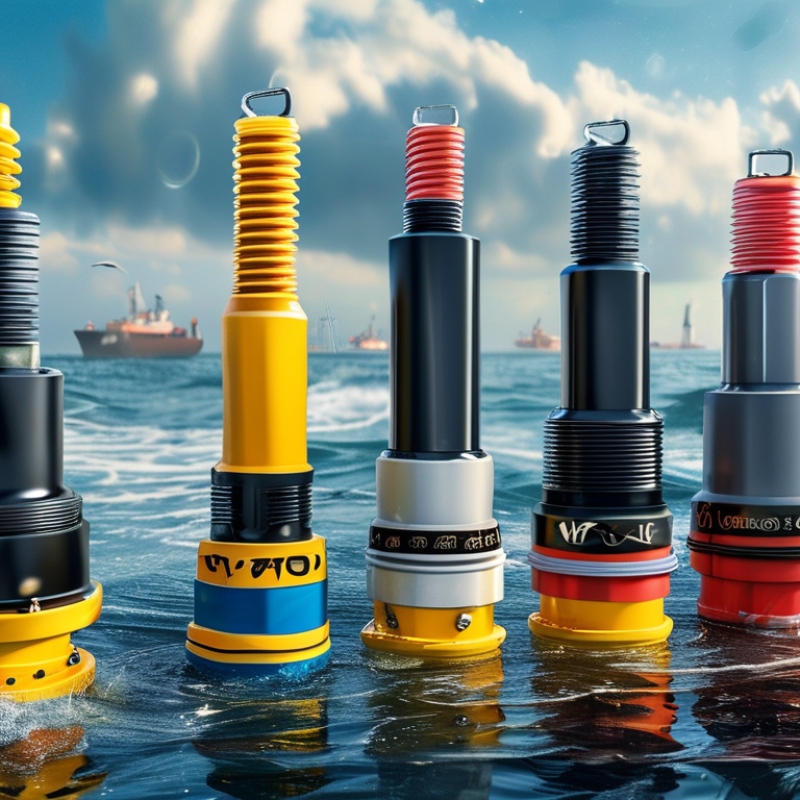
Overview of Marine Cable Glands and Their Importance
Marine cable glands are essential components in the maritime industry. They protect electrical cables from moisture, corrosion, and mechanical damage. A robust cable gland ensures the longevity and reliability of electrical systems on ships. According to industry reports, over 60% of marine electrical failures are due to inadequate sealing measures. This statistic highlights the importance of selecting the right marine cable glands.
Various types are designed for different environments. For instance, explosion-proof cable glands are vital in hazardous areas, ensuring safety standards are met. Rubber and metal materials are commonly used, providing necessary resilience. Data shows that metal glands often perform better in extreme temperatures. However, they can be more expensive than other options. Discerning the right type for specific applications is critical for operational efficiency.
Selecting the proper gland requires careful consideration of environment and function. A mismatch can lead to leaks and damage, resulting in costly repairs. Many professionals overlook installation best practices, which can compromise effectiveness. Ensuring that techniques meet industry standards is crucial for long-term success. Making informed decisions about marine cable glands can significantly enhance operational reliability.
Types of Marine Cable Glands by Material Composition
When selecting marine cable glands, material composition is crucial. Different materials provide varying levels of protection and performance in harsh marine environments.
Common materials include nylon, brass, stainless steel, and aluminum. Each material offers distinct advantages and limitations.
Nylon cable glands are lightweight and corrosion-resistant, making them suitable for less demanding applications. Brass and stainless steel options deliver higher strength and better longevity; they are ideal for extreme exposure to seawater and chemicals. Aluminum is a cost-effective choice but may not withstand corrosion as well as stainless steel.
Tips: Always consider the specific environmental conditions your cables will face. For example, if there are high humidity levels, stainless steel may be the better choice. Performance data indicates that using the right material can extend the lifespan of your installations by up to 40%.
Proper installation is key. Inadequate fittings lead to potential failures and costly downtimes. Regular inspections can identify early signs of wear or corrosion. Data suggests that proactive maintenance can reduce unexpected failures by 30%. Choose wisely to ensure both safety and efficiency.
Key Features to Consider in Marine Cable Glands
When selecting marine cable glands, it’s essential to consider several key features.
First, the material of the gland should withstand harsh marine environments. Look for materials like stainless steel or nylon,
which resist corrosion and provide durability. Temperature resistance is another critical factor.
Ensure the gland operates effectively within the temperature range of your specific application.
Tips: Always verify the compatibility of materials with the cables you are using. This compatibility prevents potential damage over time.
Sealing mechanisms should not be overlooked. Effective sealing prevents moisture ingress, which can lead to electrical failures.
Pay attention to IP ratings, as they indicate the level of protection against dust and water.
A higher IP rating signifies better protection, which is crucial in marine settings.
Another aspect to consider is ease of installation. Some designs require special tools, while others can be installed quickly with minimal effort.
Weigh the installation complexity against your team’s expertise.
Tips: Keep an eye on user feedback regarding installation experiences. This feedback can help you choose a gland that simplifies the process, ultimately saving time and costs.
Applications of Different Marine Cable Gland Types
Marine cable glands play a critical role in various applications across the maritime industry. These components ensure the secure entry of cables into vessels and marine installations. Their design offers protection against moisture, dust, and other environmental factors. By selecting the right type, you can enhance the safety and longevity of electrical systems on ships.
Different types of marine cable glands serve specific purposes. For instance, explosion-proof glands are essential in hazardous areas where ignitable gases may be present. This type prevents sparks from escaping, reducing the risk of explosions. Similarly, watertight glands are designed for underwater applications, providing a robust seal against water ingress. These glands are crucial in sectors like offshore oil and gas, where equipment is exposed to extreme conditions.
However, choosing the correct gland can be challenging. It's important to consider factors such as cable size, environmental exposure, and installation location. Each application's unique demands may require multiple gland types. In some cases, a wrong choice could lead to failures, resulting in costly repairs or safety hazards. It's essential to gather reliable information and consult experts to make informed decisions on procurement needs.
Best Practices for Procurement of Marine Cable Glands
When procuring marine cable glands, understanding best practices is crucial. The marine industry faces unique challenges, such as harsh environmental conditions and stringent safety regulations. According to a market report, the demand for marine cable glands is expected to grow by 5% annually, highlighting their importance.
A key best practice is to thoroughly evaluate industry standards. Ensuring that the cable glands meet relevant certifications, like IP68 or IEC 60092, is vital. This not only guarantees quality but also compliance with safety regulations. Additionally, consider the specific materials used. For instance, brass and thermoplastic options are popular due to their durability and resistance to corrosion.
Engaging with experienced suppliers can provide valuable insights. They often share vital data gathered from various projects. This information can highlight specific performance requirements and long-term reliability. Collaborate with professionals who possess in-depth knowledge of marine applications. This partnership can facilitate better decision-making.
Remember, procurement is not just about cost. While it’s essential to achieve cost-effective solutions, compromising on quality could lead to serious issues. Always weigh the long-term benefits against initial expenses to make informed choices. Proper planning and professional input can prevent costly mistakes in the future.
FAQS
: Common materials include nylon, brass, stainless steel, and aluminum. Each has its strengths and weaknesses.
It affects protection and performance in harsh marine environments, influencing the lifespan of installations.
Stainless steel offers high strength and corrosion resistance, ideal for extreme marine conditions.
Glands should operate effectively within a specific temperature range for optimal performance.
Effective sealing prevents moisture ingress, reducing the risk of electrical failures.
IP ratings indicate the level of protection against dust and water, impacting reliability in marine settings.
User experiences can highlight installation ease, helping to choose glands that simplify the process.
Poor fittings can lead to failures and costly downtimes in marine applications.
Regular inspections may reduce unexpected failures by up to 30%, enhancing system reliability.
Expert advice ensures that the right type is chosen, preventing costly mistakes and safety hazards.
Conclusion
Marine cable glands play a crucial role in providing secure and efficient protection for electrical cables in marine environments. Understanding the various types of marine cable glands, categorized by material composition such as brass, plastic, and stainless steel, is essential for meeting specific procurement needs. Key features, including ingress protection ratings and cable entry options, must be carefully considered to ensure reliability and safety.
Different types of marine cable glands find applications in various marine settings, each tailored to withstand conditions like moisture, corrosion, and mechanical stress. Best practices for procurement involve assessing the operational environment, selecting appropriate materials, and ensuring compliance with industry standards. By emphasizing these aspects, stakeholders can make informed decisions that enhance the longevity and performance of marine electrical systems.

 Hongxiang