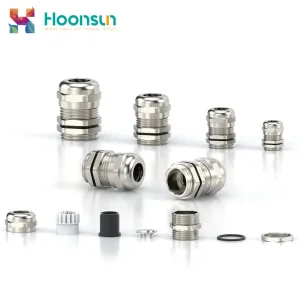
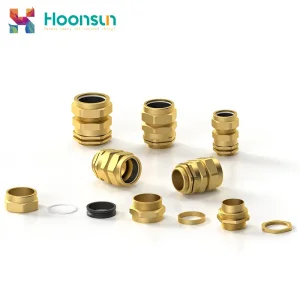
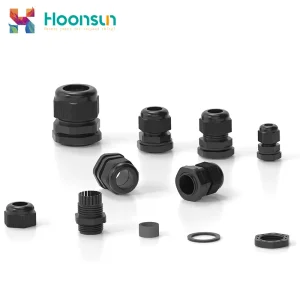
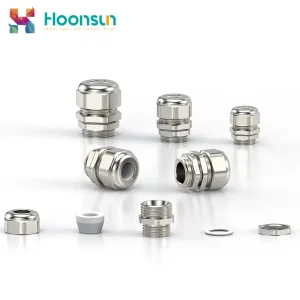
Top-tier components compliant with US National Electrical Code (NEC) standards.
In the current American industrial landscape, characterized by the "Build America, Buy America" initiatives and a massive shift towards high-tech reshoring, the demand for UL-listed and IP68-certified components has reached unprecedented heights. As the United States modernizes its power grid, expands its EV charging infrastructure, and upgrades its telecommunications to 5G, the "silent" heroes of these systems—cable glands and connectors—are facing rigorous scrutiny. For a supplier to serve the US market effectively, it requires more than just a product; it requires a deep understanding of NEMA ratings, NEC compliance, and the hazardous location requirements (Class I, Div 1 & 2).
Globally, the transition toward Industry 4.0 is driving the convergence of mechanical and digital systems. Cable glands, once seen as simple mechanical seals, are now integral to EMI/RFI shielding, ensuring that high-speed data transmission remains uncorrupted in high-vibration environments like robotics and offshore wind turbines. We are seeing a technical roadmap where materials science—such as the use of 316L Stainless Steel and high-performance Nylon—is evolving to survive more acidic, saline, and extreme temperature environments (-60°C to +150°C).
Founded in 2006, Zhejiang Hongxiang Connector Co., Ltd. is a benchmark enterprise in China's cable gland industry. With a 10,000+ SQM modern intelligent manufacturing park and over 300 professionals, we have moved beyond simple manufacturing to become a global leader in industrial connectivity solutions.
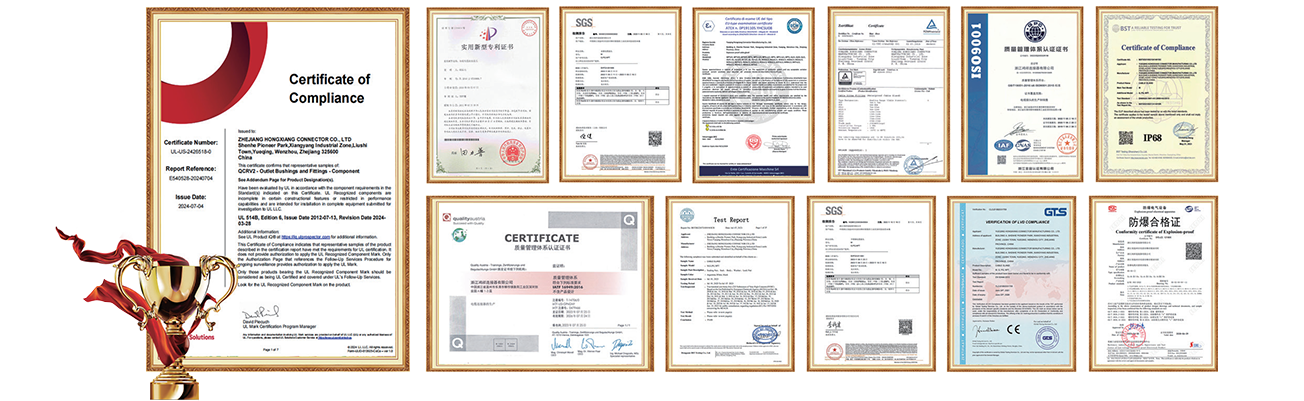
Tailored solutions for critical infrastructure and emerging technologies.
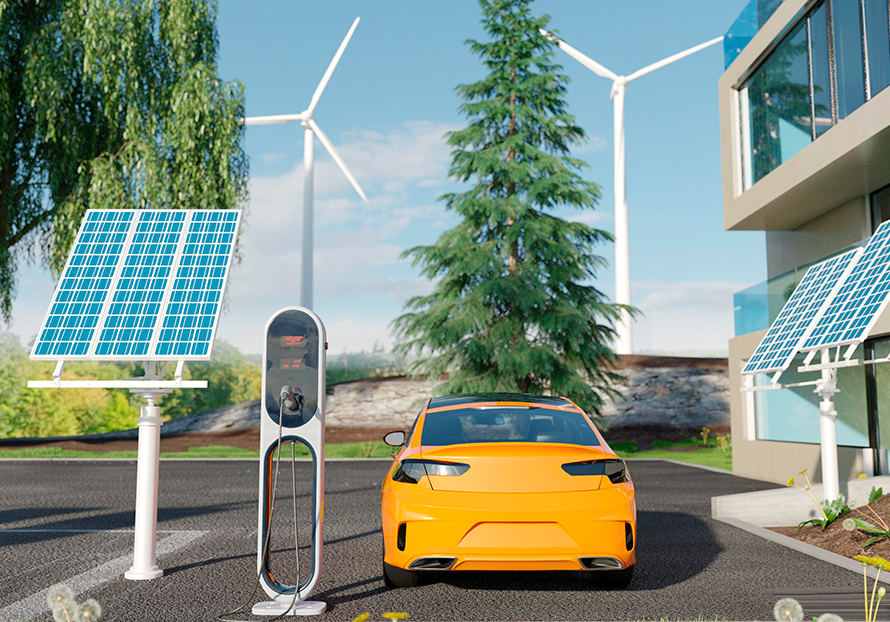
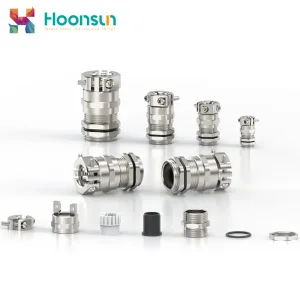
In states like California and Texas, the EV charging rollout requires cable glands that withstand high-voltage surges and outdoor UV exposure. Our IP68 metal glands are essential for the thermal management systems and battery packs of commercial electric trucks and passenger vehicles.
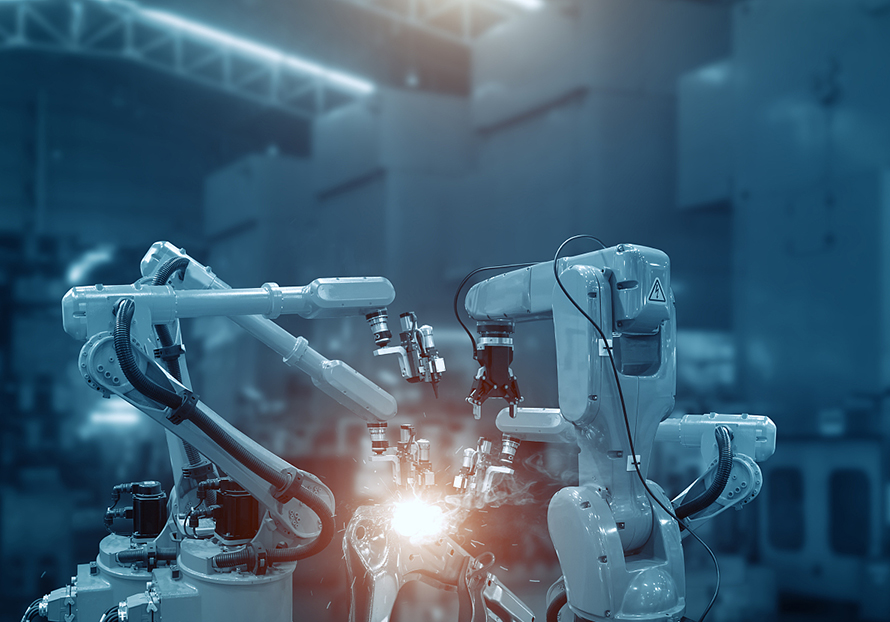
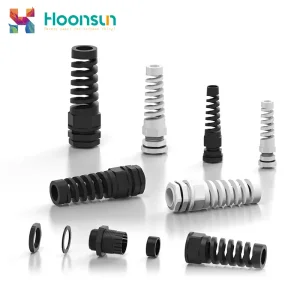
US-based fulfillment centers and automated manufacturing plants utilize our anti-bending nylon glands to protect the "nerves" of robotic arms, preventing cable fatigue during high-speed multi-axis movements.
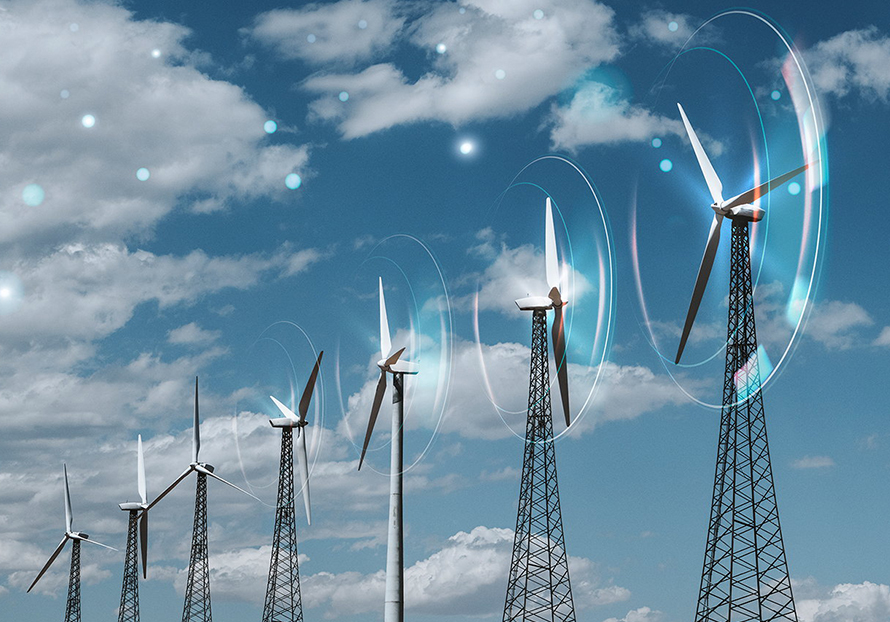
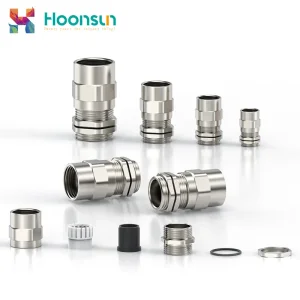
For offshore wind projects along the Atlantic coast, our 316L stainless steel explosion-proof glands provide the necessary salt-fog resistance and sealing to protect sensitive control signals from the harsh maritime climate.
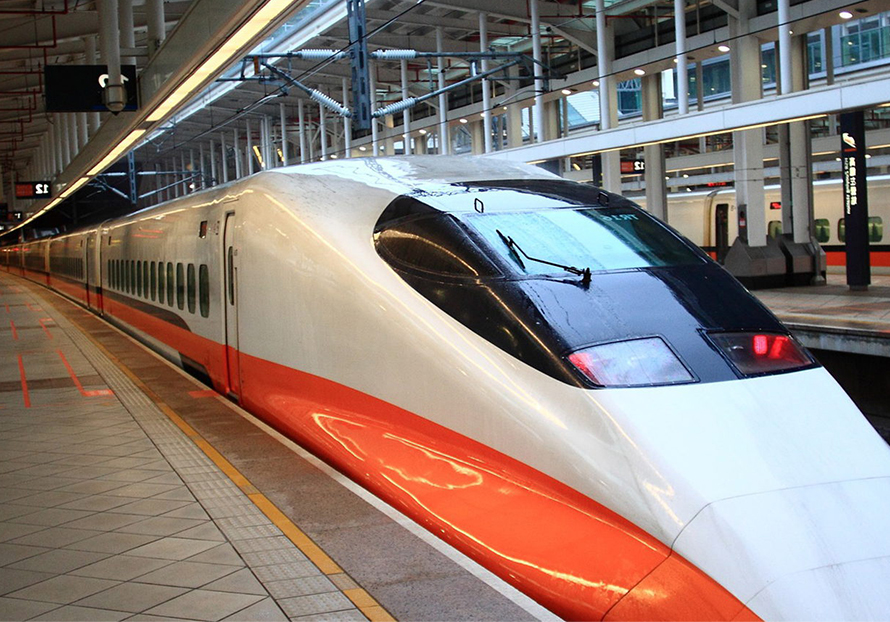
Metros in New York, Chicago, and D.C. require flame-retardant and smoke-free connectivity. Our glands meet strict rail safety standards, ensuring long-term operation in tunnels with constant vibration.
Looking toward 2030, the industrial connector industry is pivoting toward "Smart Connectors." The integration of sensors within the cable gland itself to monitor moisture ingress or temperature spikes is the next frontier. Our R&D team is currently prototyping these IoT-enabled connectivity solutions to allow for predictive maintenance in remote oil & gas sites across the US.
Sustainability is also at the forefront. We are exploring the use of recycled alloys and bio-based plastics to reduce the carbon footprint of industrial installations without compromising the IP68 rating. By partnering with US engineering firms, we aim to bridge the gap between high-volume manufacturing and precision customization.
Technical insights for US procurement managers and engineers.
While IP68 is an international standard focusing on dust and water submersion, NEMA 6P (common in the US) also considers factors like corrosion and ice external to the enclosure. Our UL-listed glands are designed to bridge both certifications for global compliance.
UL (Underwriters Laboratories) certification ensures the component has been tested for safety. Most US building codes and industrial insurance policies require UL-listed electrical components to mitigate fire and hazard risks.
Yes. While metric threads are common globally, we specialize in NPT (National Pipe Tapered) threads specifically for American industrial conduits and enclosures.
Absolutely. Our high-temperature and low-temperature specialized metal glands are tested to perform from -52°C, making them suitable for oil & gas projects in Alaska and Northern Canada.
Reliable components from our high-precision production lines.
Our engineering team is ready to assist with technical drawings, UL certificates, and bulk pricing for your US-based operations.
Contact Our Growth Director Now Hongxiang