Trinidad and Tobago, as the leading industrial and petrochemical powerhouse of the Caribbean, houses high-concentration industrial clusters including the Point Lisas Industrial Estate, Atlantic LNG, and multiple offshore exploration operations. These industrial sectors demand absolute electrical safety. The combination of intense tropical salinity, high ambient humidity, and explosion risks associated with volatile hydrocarbons creates a highly demanding environment for electrical cabling and connection hardware. Selecting high-performance, UL-listed, and explosion-proof cable glands is critical to ensuring operational uptime, protecting expensive infrastructure, and saving lives.
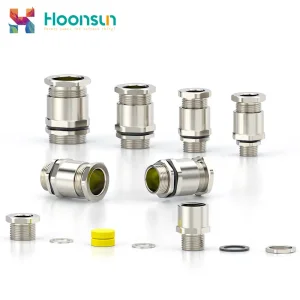
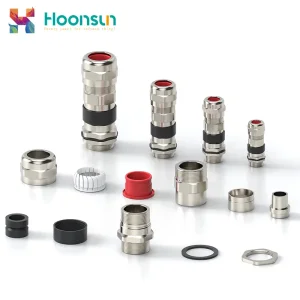
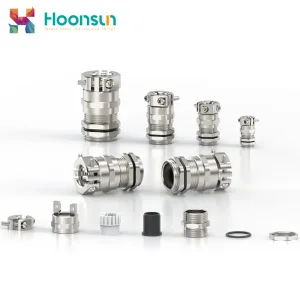
Offshore exploration platforms situated in the Columbus Basin and the North Coast Marine Area, along with onshore natural gas liquefaction facilities, require rigid compliance with international safety codes (such as NEC, ATEX, and IECEx). Explosion-proof glands, like the double-sealed armored variations, provide a critical seal around cables to prevent explosive gases from migrating through the cable routing system into control rooms or distribution panels. The implementation of robust flameproof (Ex d) and increased safety (Ex e) standards ensures that even in the event of an internal spark or ignition, the flame pathway is extinguished within the enclosure, averting catastrophic industrial events.
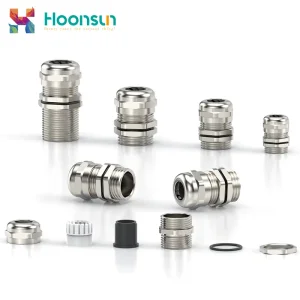
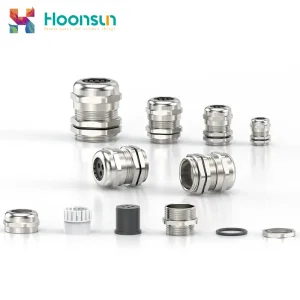
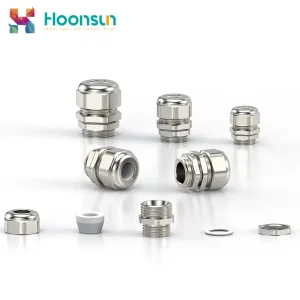
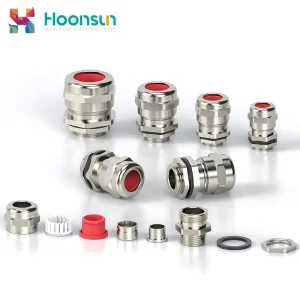
The tropical marine climate of Port of Spain, Point Fortin, and Galeota exposes electrical connectors to accelerated galvanic and atmospheric corrosion. Standard metallic fittings fail prematurely under these conditions, causing ingress of saltwater that leads to short circuits and system failures. The utilization of nickel-plated brass and marine-grade stainless steel 316L cable glands, engineered to pass strict IP68 and IP69K sealing tests, provides long-term resistance to salt spray and chemical exposure, ensuring continuous operational integrity over decades.
The integration of advanced connection technology spans several key sectors in Trinidad & Tobago, ensuring infrastructure upgrades match global standards:

Ensures high-voltage charging networks and local EV transit systems in Port of Spain resist moisture ingress and vibration-induced wear.

High-grade stainless steel glands safeguard power transmission lines from turbines down to coastal grid interfaces.

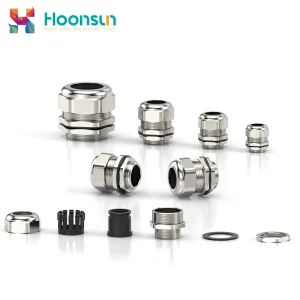
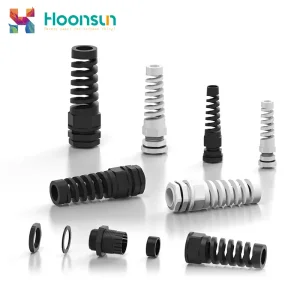
Flexible, strain-relief nylon glands shield sensitive signal cables on high-speed bottling and packaging lines in Point Lisas.

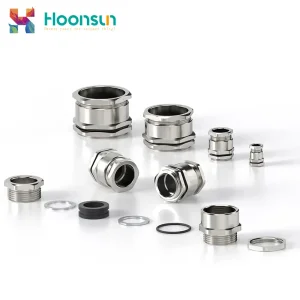
Heavy-duty armored cable glands secure high-amperage power feeds for gantry cranes and cargo handling railways.
As Trinidad and Tobago transitions toward green hydrogen and digitized smart grid systems, industrial connectivity must evolve. The technological roadmap points toward "Smart Cable Glands" equipped with integrated temperature and humidity sensors. These devices monitor seal degradation in real-time, warning technicians of potential ingress before failures occur. Furthermore, the adoption of halogen-free, flame-retardant polymers and high-performance EMI/RFI shielding ensures that data and power lines can coexist without signal degradation in dense automated environments.
Procuring industrial connection systems directly from established Chinese manufacturers offers Trinidadian procurement teams substantial cost efficiency, customization flexibility, and scale guarantees. Zhejiang Hongxiang Connector Co., Ltd. leverage advanced robotic assembly lines and local raw material ecosystems to maintain price stability even during global shipping disruptions.
By maintaining raw material reserves and operating dynamic CNC machining centers, our factory accommodates bespoke thread pitches (NPT, Metric, PG), specialized sealing inserts (EPDM, Silicone for extreme temperatures), and fast tooling cycles. This ensures your project timelines in Point Lisas or Port of Spain remain uninterrupted.
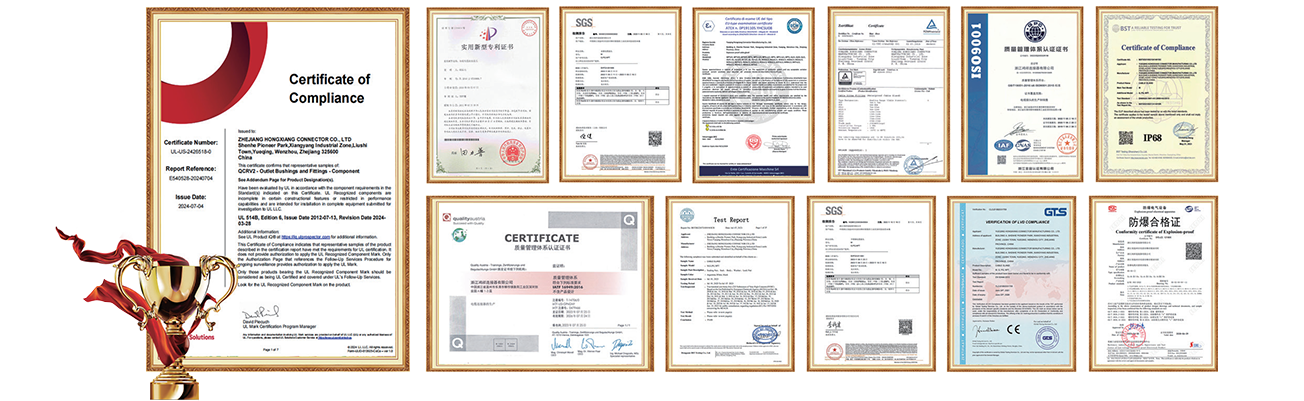

Since local standards align heavily with both US and European safety guidelines, installations generally require either UL listings (per NEC standards) or ATEX/IECEx certifications for hazardous areas. Our products hold CE, UL, and ATEX certifications, making them fully compliant with T&TEC and international petroleum standards.
Our IP68 rated glands undergo strict water submersion testing at defined depths and durations. The dual-seal technology and heavy-duty O-rings (typically made of high-tensile neoprene or silicone) create a hermetic seal that prevents pressurized water and micro-dust ingress even during severe Caribbean storms.
For standard sizes of nickel-plated brass and nylon glands, we maintain bulk warehouse inventory allowing dispatch within 3–7 business days. Custom runs or major industrial bids usually require 15–20 production days, with ocean transit to the Caribbean typically taking 30–40 days.
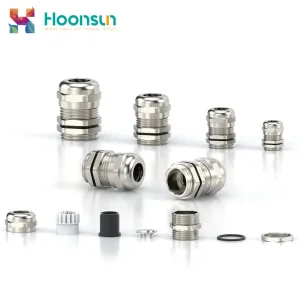
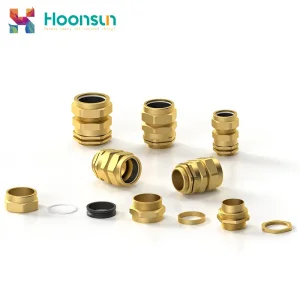
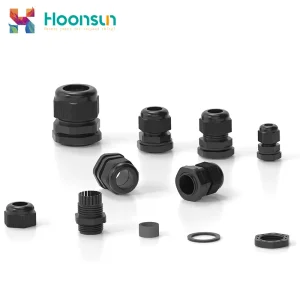
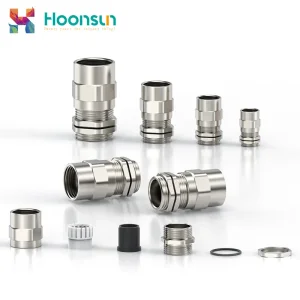
Talk to our technical engineers for customized materials, specific certification files, and factory-direct pricing for the Trinidad & Tobago market.
Send Inquiry Now Hongxiang