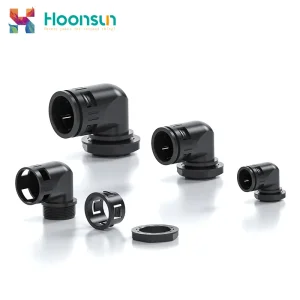
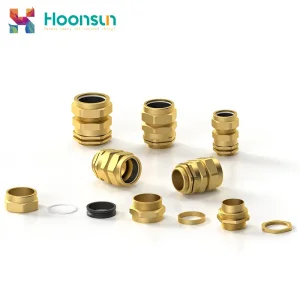
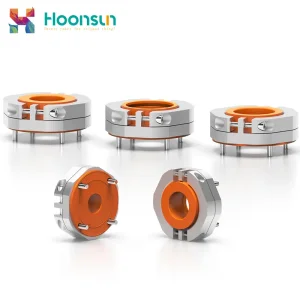
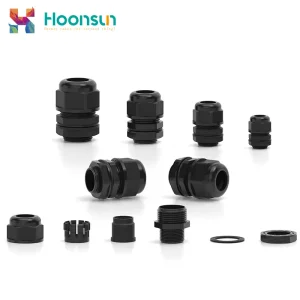
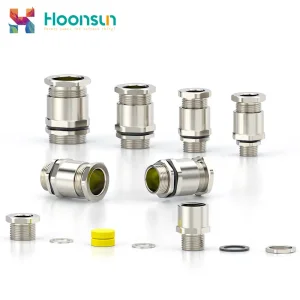
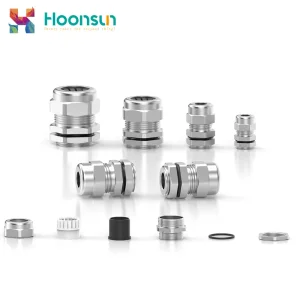
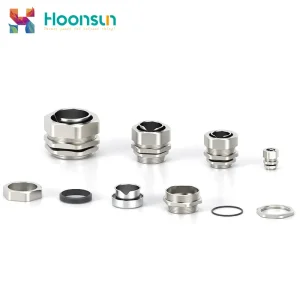
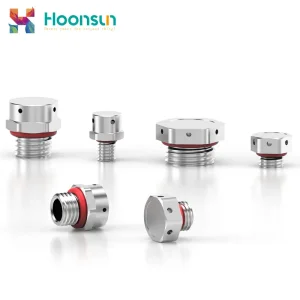
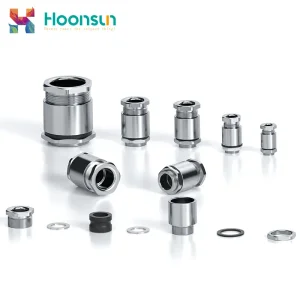
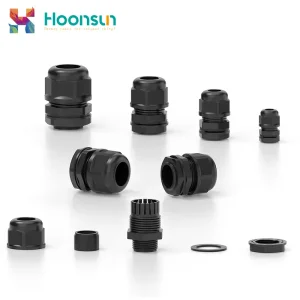
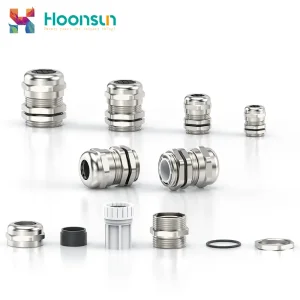
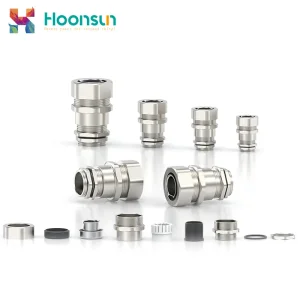
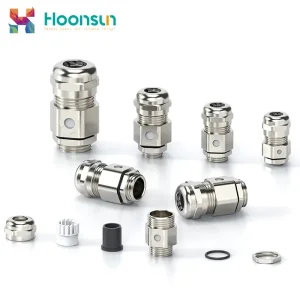
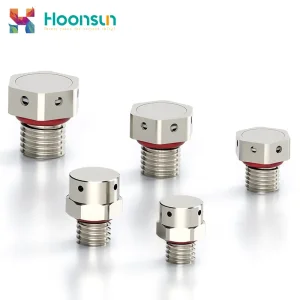
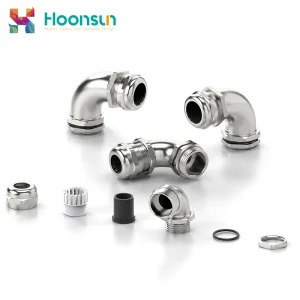
Explore our flagship series of certified cable strain relief systems, 90° right-angle connectors, explosion-proof sealing joints, and pressure balance solutions.
Zhejiang Hongxiang Connector Co., Ltd. — Pioneering Next-Generation Cable Management Systems & Precision Thread Adaptation Technologies.
Founded in 2006, Zhejiang Hongxiang Connector Co., Ltd. is rooted in Yueqing, Zhejiang — the preeminent national hub for precision electrical manufacturing in China. Over nearly two decades of continuous innovation and quality assurance, the enterprise has evolved into a tier-1 modern industrial connectivity manufacturer integrating R&D engineering, high-speed CNC machining, automated polymer injection, and international supply chain services.
Operating a standardized smart facility exceeding 10,000 square meters, Hongxiang Connector leverages over 200 advanced production units, precision multi-axis CNC machine centers, and a comprehensive environmental/electrical quality test lab. Supported by a specialized team of over 300 professionals, the factory achieves an extraordinary annual output surpassing 80 million units, ensuring rapid turnaround for OEM/ODM batch orders, emergency custom modifications, and strategic procurement contracts for Fortune Global 500 equipment builders.
The core portfolio encompasses Nickel-Plated Brass Cable Glands, AISI 304/316L Stainless Steel Glands, Polyamide PA66 Nylon Glands, ATEX Explosion-Proof CW Seals, and custom Metric/NPT/PG Thread Reducers & Adapters. Fully certified under ISO9001, IATF16949, CE, UL, ATEX, RoHS, and IP68/IP69K protection ratings, Hongxiang Connector establishes the golden benchmark for sealing integrity and tensile strain relief across extreme operating conditions.
An In-Depth Technical Guide to Ingress Protection, Mechanical Strain Relief, Hazardous Area Sealing, and Thread Geometry Conversion.
Industrial cable glands act as static seals where cables penetrate electrical enclosures. Achieving dynamic IP68 ratings (tested up to 5 bar / 50 meters hydrostatic pressure) relies on engineered elastomeric seals (EPDM, NBR, or Silicone). The radial deformation of the inner sealing ring around the cable jacket prevents liquid, vapor, and dust ingress under extreme temperature cycles (-52°C to +120°C).
In global industrial installations, field devices frequently feature mismatched entry thread standards (e.g., Metric M20 vs NPT 1/2" or PG 16). Thread Reducers decrease the entry thread size of an enclosure to accept a smaller cable gland, while Adapters seamlessly bridge distinct thread pitches (ISO Metric, German PG, American NPT, and British BSP/G threads) without compromising structural IP rating or enclosure wall grounding continuity.
For Zone 1, Zone 2 (Gas) and Zone 21, Zone 22 (Dust) hazardous atmospheres, explosion-proof glands (such as CW, E1FW, or EX4 types) utilize flameproof flamepaths (Ex d) or increased safety containment (Ex e). They are precision-machined from brass or stainless steel to withstand internal explosions without propagating flames or hot gases to the external combustible atmosphere.
| Thread Standard | Designation Code | Pitch / TPI | Major Diameter (mm) | Typical Torque Range (Nm) | Primary Regional Application |
|---|---|---|---|---|---|
| ISO Metric | M12x1.5 to M63x1.5 | 1.5 mm pitch | 12.00 - 63.00 mm | 4.5 - 55.0 Nm | Europe, China, International (IEC) |
| German PG | PG7 to PG48 | 1.27 - 1.58 mm pitch | 12.50 - 59.30 mm | 3.0 - 45.0 Nm | Legacy European & Industrial Automation |
| National Pipe Taper | NPT 1/4" to NPT 3" | 18 - 8 TPI (Taper 1:16) | 13.70 - 88.90 mm | 8.0 - 90.0 Nm | North America (UL / CSA / NEC) |
| British Standard Pipe | G 3/8" to G 2-1/2" | 19 - 11 TPI (Parallel) | 16.66 - 75.18 mm | 6.0 - 70.0 Nm | UK, Commonwealth, Marine Hardware |
Why global EPC engineering contractors and OEM procurement executives source high-spec cable entry components directly from Zhejiang Hongxiang.
Situated in Yueqing, Zhejiang—the nerve center of global electrical manufacturing—Hongxiang Connector benefits from an immediate 10-kilometer radius supply ecosystem for high-purity copper rod extrusions, 304/316 stainless steel bar stocks, specialized rubber vulcanization, and advanced electroplating chemistry. This minimizes supply chain latency and buffer costs.
Our workshop is powered by 200+ high-speed multi-spindle CNC lathes capable of machining thread tolerances down to ISO 965 Class 6g/6H precision. Automated optical sorters verify 100% of thread pitch dimensions and surface integrity, eliminating installation cross-threading or burr-induced sealing failures.
Direct factory-to-business (F2B) sourcing yields 30% to 50% capital savings over Western branded intermediaries without compromising material certification. Raw material traceability, spectrographic brass analysis (CW614N), and ISO-certified quality management guarantee long-term operational durability.
Hongxiang cable management fittings are deployed across heavy industrial, green energy, dynamic transport, and high-vibration mission-critical applications.
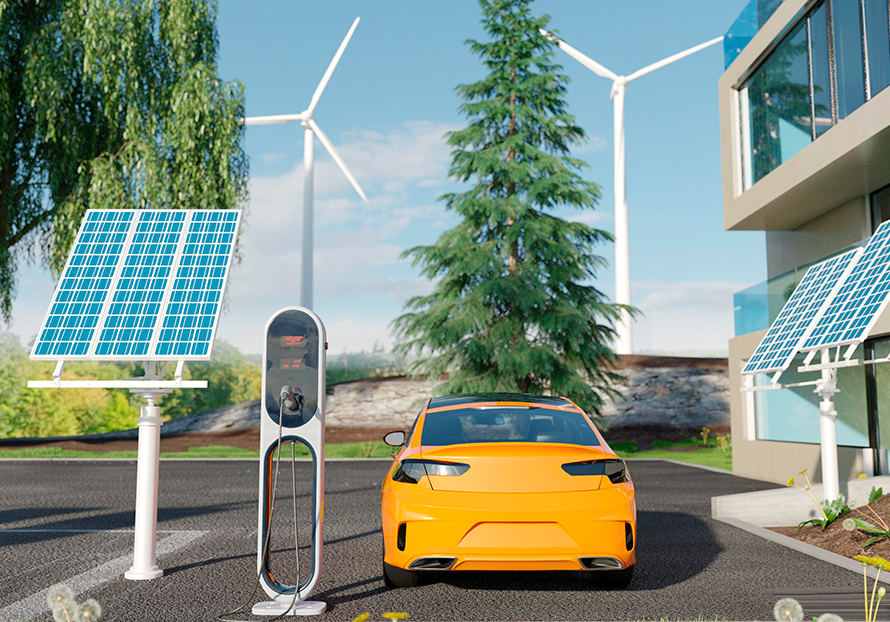
Cable glands are critical for new energy vehicles (NEVs), serving as essential components to manage and protect cables in high-voltage systems, battery packs, motor controllers, charging interfaces, and other core electrical units. Engineered to withstand extreme temperatures, vibration, moisture, and chemical exposure, they ensure reliable sealing, prevent dust/water ingress, and maintain insulation integrity to avoid electrical hazards. By securing and routing power, signal, and communication cables, they enhance the safety, stability, durability, and performance consistency of the vehicle's electrical system. Compliant with automotive industry standards, high-quality cable glands help NEVs meet strict safety and reliability requirements.

Cable glands are essential for robotics, managing and protecting power, signal, and data cables in industrial robots, cobots, AMRs, and automated assembly arms. Adapted to dynamic multi-axis movements and harsh factory floor environments (coolants, metal chips, mechanical stress), they prevent cable fatigue, twisting, abrasion, and strain disconnection while maintaining continuous IP68 ingress protection. By safeguarding delicate sensory feedback loops and high-flex ethernet cables, they ensure exceptional robotic precision, operational uptime, and extended service life.

Cable glands are vital for onshore/offshore wind power generation systems (nacelles, pitch control, substations, tower base distribution), protecting heavy-duty power and control cables. Engineered to resist severe marine salt fog, extreme ambient temperatures (-52°C to +90°C), constant harmonic vibration, and heavy UV radiation, they deliver IP68 sealing, explosion-proof safety, and optional EMC shielding. Constructed from marine-grade 316L stainless steel or nickel-plated brass with EPDM sealing inserts, they prevent electrical short circuits and downtime.
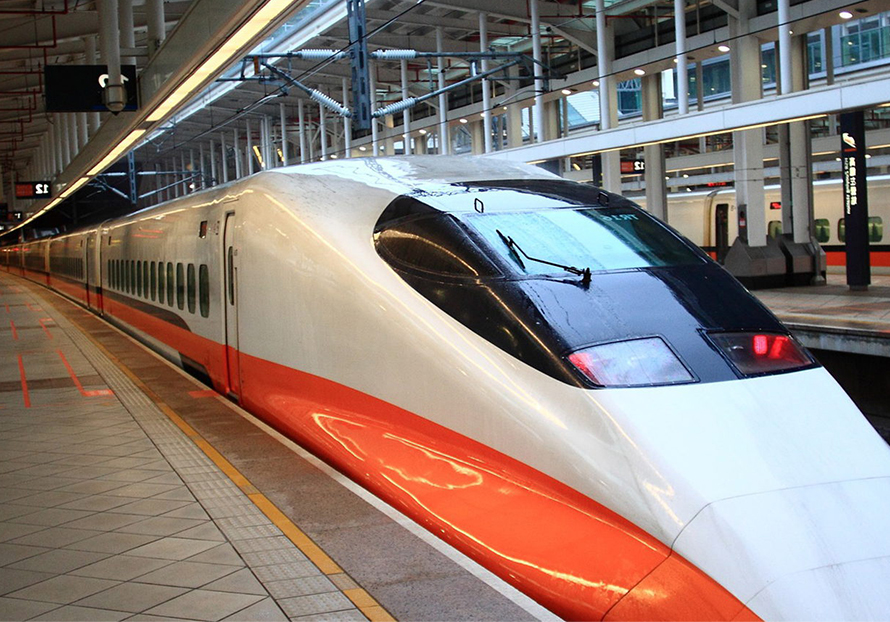
Cable glands are key protective components in rail transit systems, widely used in locomotive bogies, passenger coaches, traction substations, tunnels, and signal equipment cabinets of metro, high-speed rail, and intercity transit. They secure power, control, and brake cables against continuous mechanical shocks and ambient temperature swings (-40°C to +90°C). Featuring flame-retardant EN 45545-2 compliant sealing elements, they offer IP68 protection, prevent electrical interference (EMC), and stop fire propagation across bulkhead penetrations.
Rigorous international compliance and state-of-the-art automated workshops guaranteeing faultless product execution.
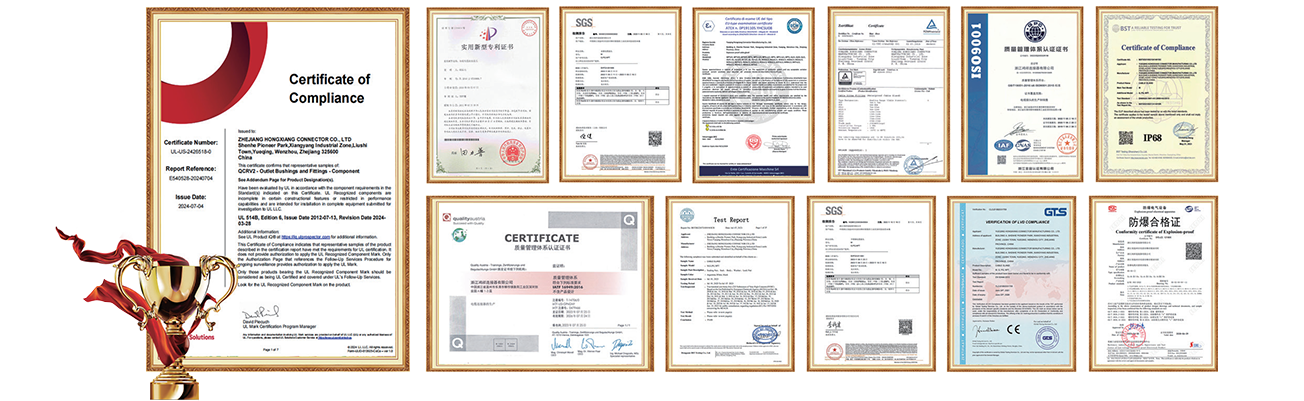
Meeting stringent global safety benchmarks including UL, CE, ATEX, ISO9001, IATF16949, RoHS, and IP68 test standards.

Employing over 120 specialized technical staff and 200+ precision manufacturing systems to maximize quality & delivery speed.
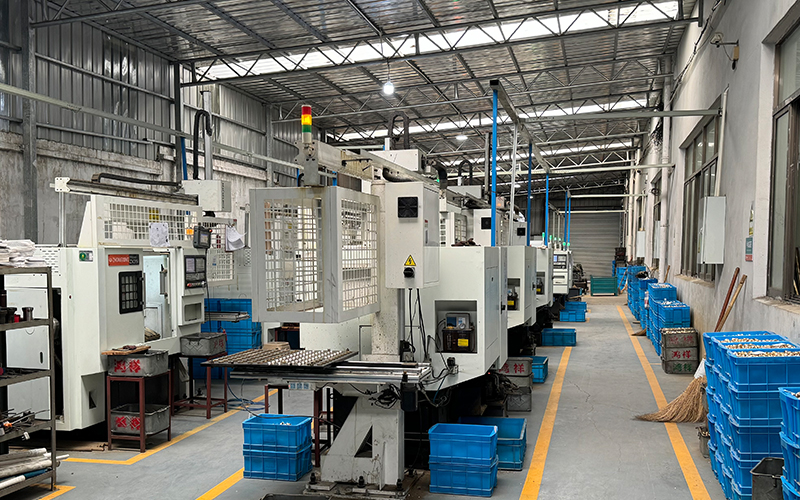
High-Precision CNC Lathes
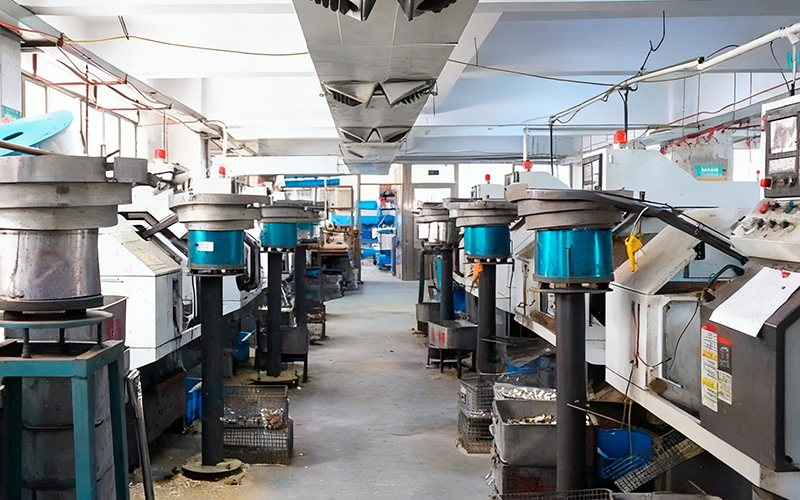
Automated Machining Center
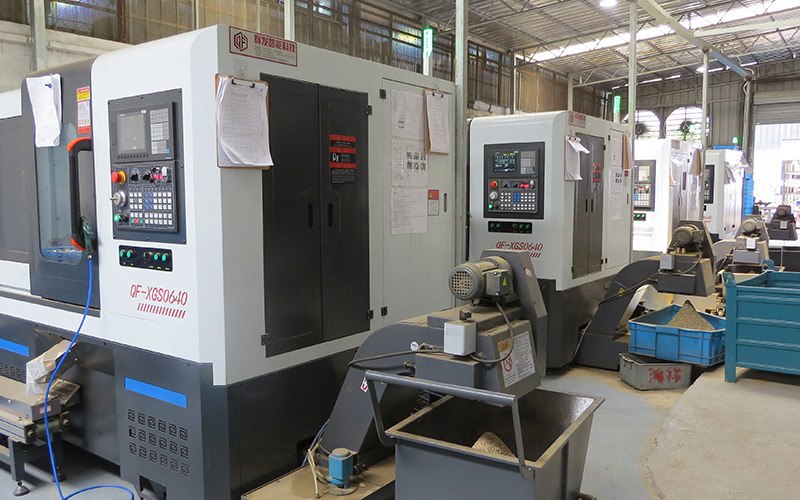
Automated Thread Cutters
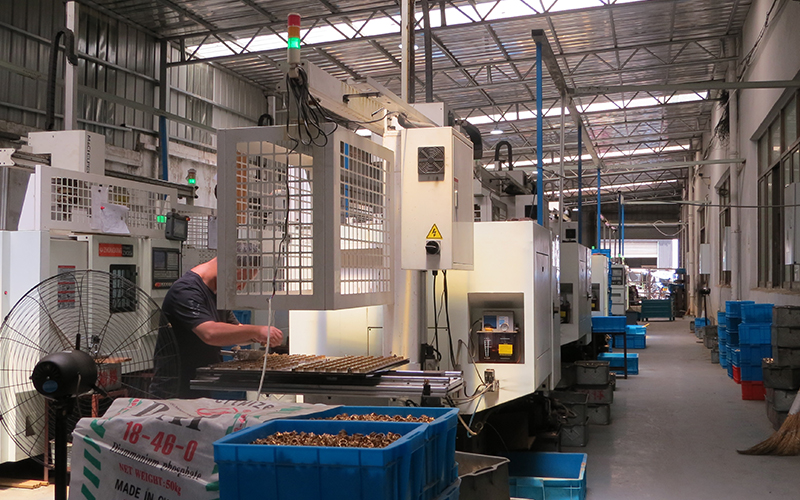
Polymer Injection Line
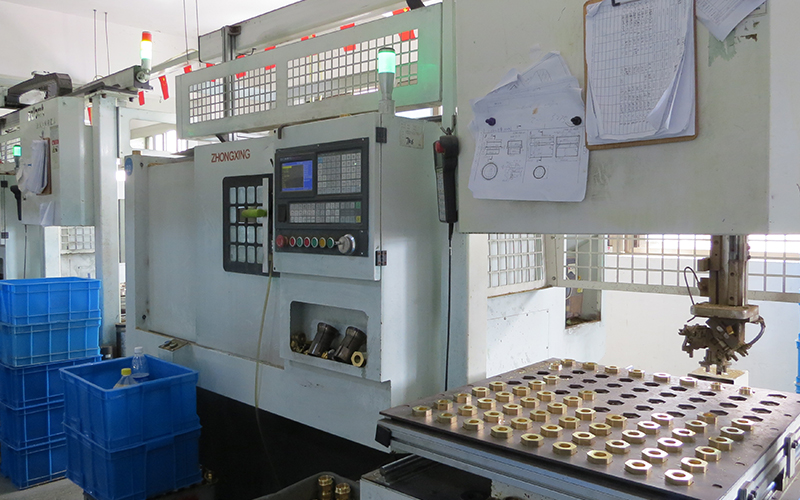
Multi-Spindle Lathe Array
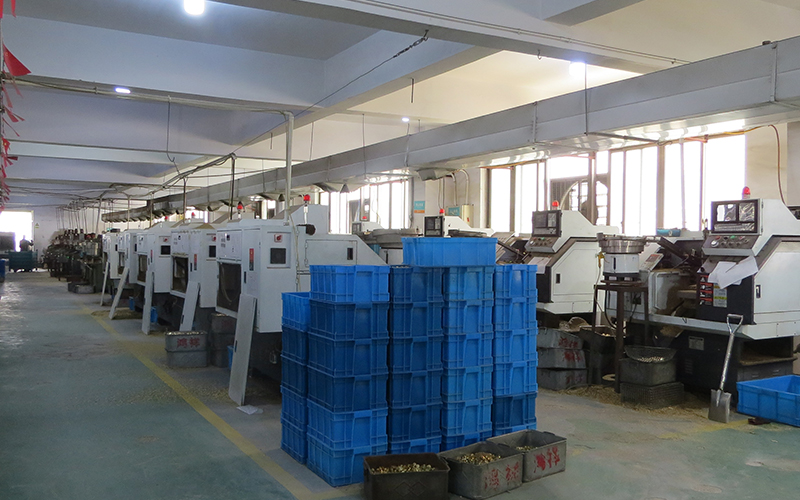
Automated Assembly Workshop
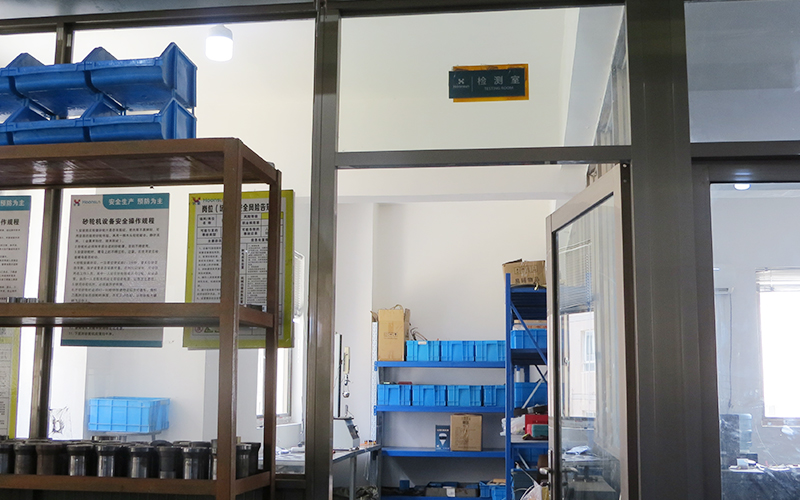
IP68 / Salt Spray Test Room
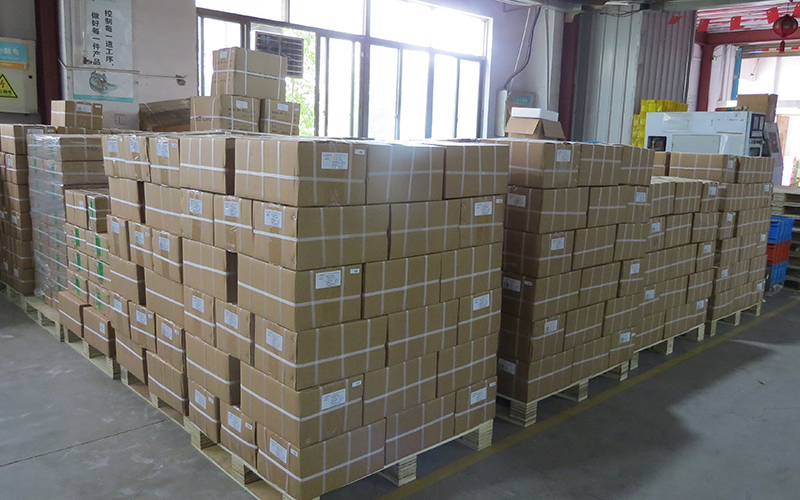
Finished Goods Warehouse
Expert engineering responses to critical questions regarding cable gland selection, thread conversion, explosion protection, and OEM customization.
A cable gland (also known as a strain relief fitting or sealing hub) directly grips an electrical cable, creating a dynamic IP68 environmental seal around the outer sheath while preventing mechanical tension on internal terminals. A thread reducer or adapter is a rigid metallic or nylon fitting installed between an enclosure entry hole and a cable gland when the enclosure thread diameter or standard (e.g., M25) does not match the desired gland size (e.g., M20 or NPT 1/2"). Reducers allow seamless cross-standard adaptation while retaining full ingress and flameproof protection ratings.
- Nickel-Plated Brass (CW614N): Ideal for general industrial machinery, factory automation, and automotive power units. Offers high physical strength, excellent wear resistance, and cost-effective electromagnetic compatibility (EMC).
- Stainless Steel (AISI 304 / 316L): Required for extreme corrosive environments such as marine offshore oil rigs, chemical processing plants, food/pharmaceutical washdown areas, and subzero arctic installations.
- Nylon PA66 (UL 94-V0): Highly recommended for lightweight electrical junction boxes, outdoor telecom enclosures, solar PV inverter boxes, and applications requiring high dielectric insulation and UV resistance.
EMC (Electromagnetic Compatibility) cable glands feature an internal 360° conductive spring mechanism or metallic grounding cone. When a shielded cable is inserted, the gland strips the outer sheath and clamps directly onto the braided copper shield, creating a 360-degree low-impedance ground path to the metal enclosure wall. This redirects high-frequency noise and electromagnetic radiation to the ground, preserving signal integrity in automated robotics, frequency drives (VFDs), and sensitive sensor lines.
Hongxiang Connector provides comprehensive end-to-end customization, including tailor-made thread pitches (Metric, PG, NPT, G/BSP), extended thread lengths for thick wall enclosures, customized elastomeric seal formulations (FKM, Silicone for high-temp up to 200°C), laser-etched customer logos, custom packaging, and quick turn prototyping based on client CAD drawings (STEP / DWG) within 48 to 72 hours.
Browse our complete inventory of industrial strain relief accessories, pressure compensation vent plugs, and marine explosion-proof glands.
 Hongxiang