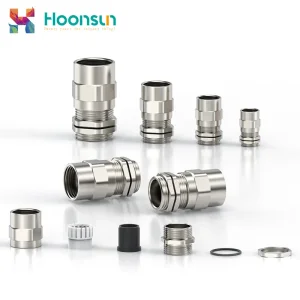
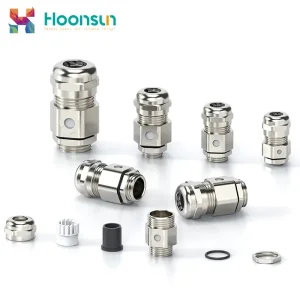
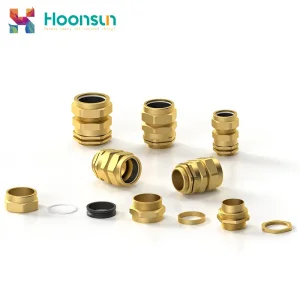
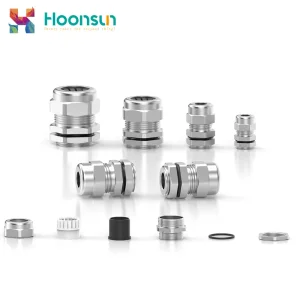
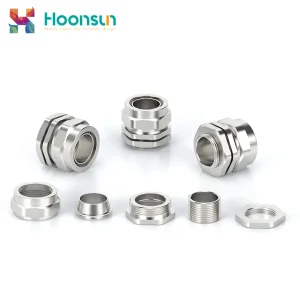
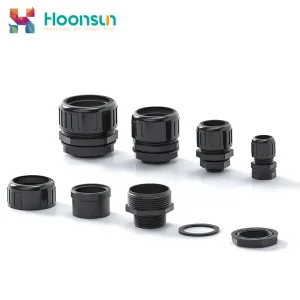
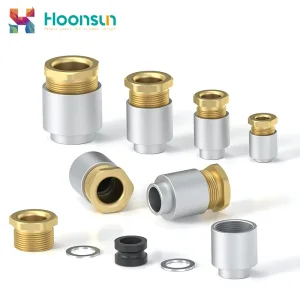
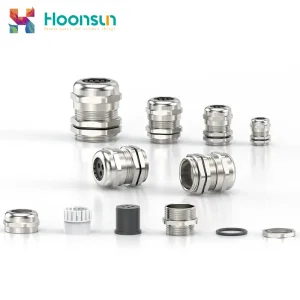
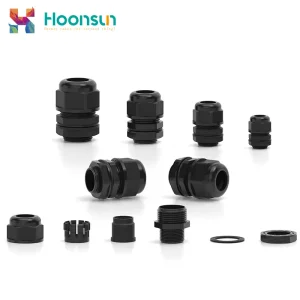
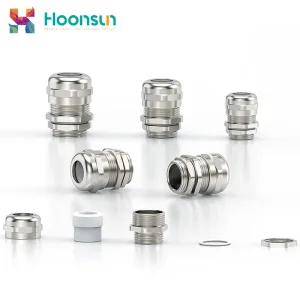
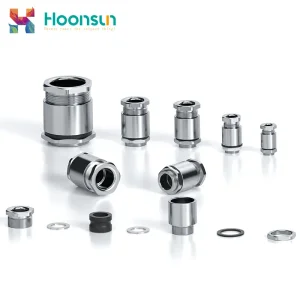
In the landscape of modern industrial connectivity, the M40 cable gland represents a critical intersection of size, sealing performance, and mechanical reliability. As global infrastructure demands shift toward more robust and high-capacity electrical systems, the reliance on precision-engineered components—manufactured by China’s leading industrial hubs—has never been higher.
Zhejiang Hongxiang Connector Co., Ltd. and similar specialized facilities have transformed the "Made in China" narrative. By integrating Industry 4.0 standards, these factories offer:
From the harsh, saline environments of offshore wind turbines to the precision-controlled atmosphere of robotics and automation, M40 cable glands are the unsung heroes. They act as the primary interface between external environmental stressors and the delicate internal electronics of critical machinery. Their role in vibration resistance—essential in rail transit—and thermal stability makes them indispensable for heavy-duty industrial control units.
The industry is trending toward miniaturization and smart sensing. We are observing a shift toward integrated "intelligent" glands that can signal humidity or stress levels within the cable interface. Furthermore, the push toward green manufacturing is forcing factories to adopt low-carbon production methods, a challenge Chinese industry leaders are meeting through renewable energy adoption within their manufacturing parks.
Founded in 2006, Zhejiang Hongxiang Connector Co., Ltd. is rooted in Yueqing, Zhejiang — a national hub for precision electrical manufacturing in China. After nearly two decades of dedicated development, the company has evolved into a large modern industrial connectivity solutions provider integrating R&D and design, large-scale intelligent manufacturing, global sales, and one-stop services.
80,000,000+ Units
10,000+ Sq. Meters
300+ Skilled Personnel
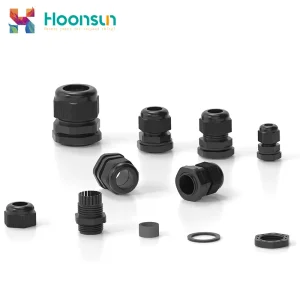
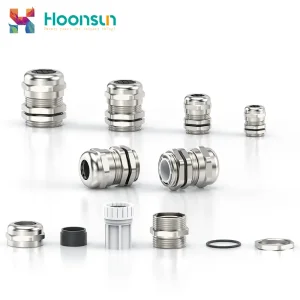
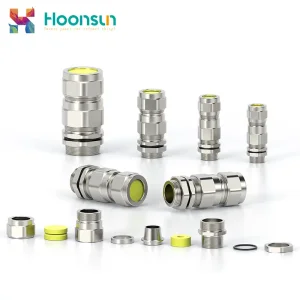
Its core product portfolio includes metal cable glands, nylon cable glands, waterproof cable glands, explosion-proof connectors, conduit fittings, and various customized connecting accessories. These products serve high-end sectors such as industrial electrical equipment, new energy equipment, rail transit, shipbuilding and heavy industry, construction machinery, military supporting facilities, and communication & industrial control.
A: The M40 size provides a larger clamping range, ideal for high-capacity multi-core cables and power feeders in heavy industry. It offers better structural support and space for specialized cable shielding.
A: Leading manufacturers like Hongxiang utilize identical CNC precision and adhere to global benchmarks like ISO9001 and IATF16949, ensuring quality that meets or exceeds Western standards at a more competitive price point.
 Hongxiang