 Hongxiang
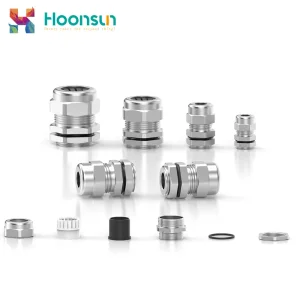
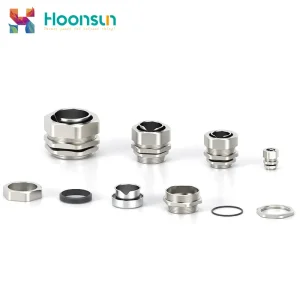
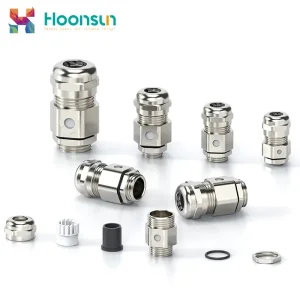
The Critical Role of Hazardous Area Cable Glands in Industrial Safety
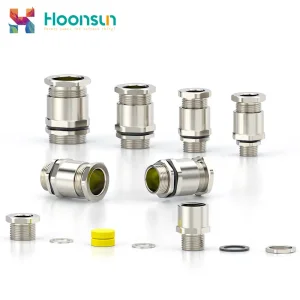
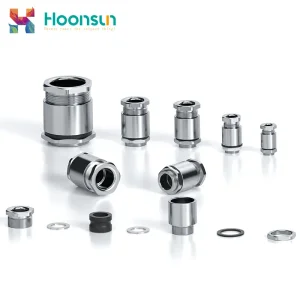
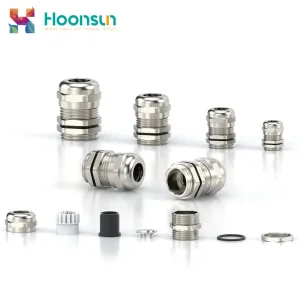
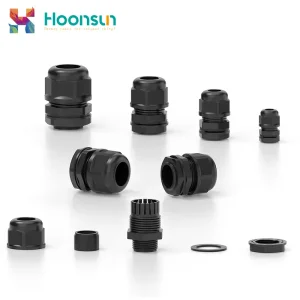
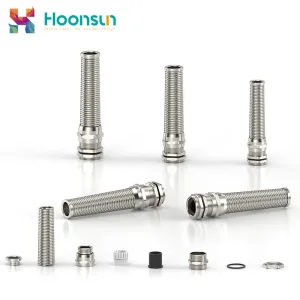
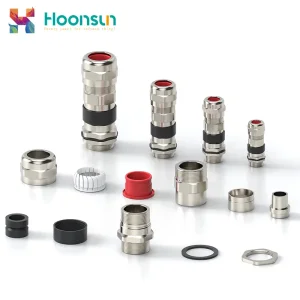
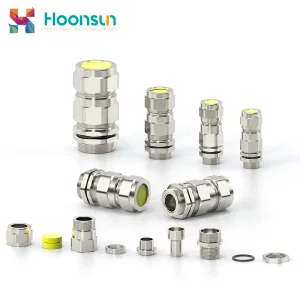
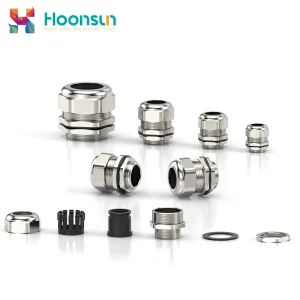
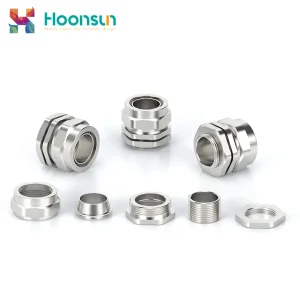
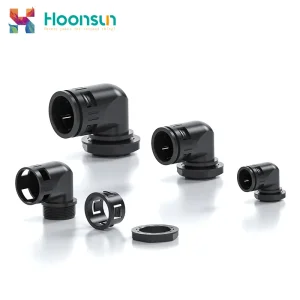
In the complex architecture of modern industrial facilities, the integrity of electrical connections is paramount, especially in hazardous environments. As a leading voice in the sector, our deep dive into China Hazardous Area Cable Glands reveals why this region has become the global nexus for manufacturing excellence. From oil & gas rigs to explosive-prone chemical processing plants, the specification of cable glands is not merely a purchase decision—it is a critical safety intervention.
Why Specification Matters: E-E-A-T in Engineering
Selecting a manufacturer requires a clear understanding of E-E-A-T (Experience, Expertise, Authoritativeness, Trustworthiness). Our partners leverage decades of field experience to design components that exceed IECEx, ATEX, and UL standards. A cable gland is the final line of defense against explosive atmospheres. Without the correct sealing (IP68+) and flame-proof barriers, micro-sparking or ingress of hazardous gases can lead to catastrophic failure.
Localized Application Scenarios: Where Precision Meets Risk
New Energy Vehicles
Cable glands are critical for NEVs, managing high-voltage systems and battery packs. They ensure IP68 sealing against road debris and moisture.
Robotics & Automation
For dynamic robotic arms, glands prevent cable abrasion and disconnection under high-cycle mechanical stress.
Wind Energy
Resisting salt fog, UV, and extreme temperatures, these glands provide structural integrity for offshore turbine substations.
China Factory Supply Chain: Resilience & Efficiency
China's industrial ecosystem for cable glands is unparalleled in its efficiency. By integrating Vertical Supply Chain Management, manufacturers like Zhejiang Hongxiang Connector Co., Ltd. control every aspect—from raw metal procurement to precision CNC machining. This ensures:
- Rapid Prototyping: Reducing lead times for customized Ex-proof designs.
- Cost Optimization: Leveraging economies of scale without compromising on UL/ATEX compliance.
- Quality Assurance: Full-process quality control laboratories operating 24/7 to meet global standards.
Technical Roadmap & Future Outlook
The future of hazardous area connectivity lies in "Smart Glands." We are observing a shift toward integrated sensors within glands that monitor cable stress and temperature, feeding real-time data back to central control systems (IIoT). By adopting advanced material science (e.g., specialized polymers and 316L Stainless Steel), Chinese manufacturers are setting the pace for the next generation of industrial safety.