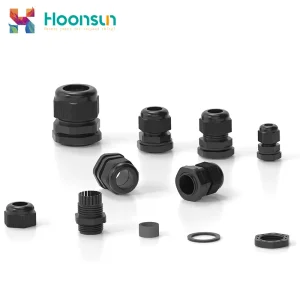
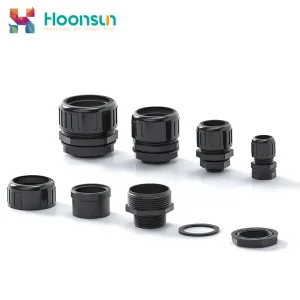
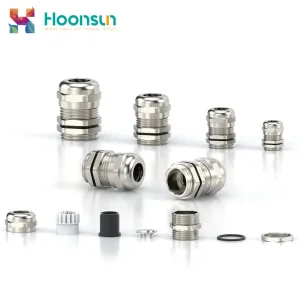
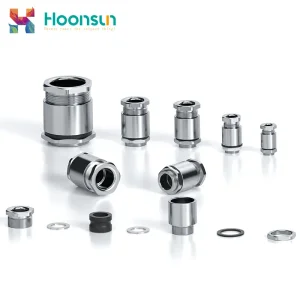
Explore our engineering-grade product solutions verified by UL, CE, ATEX, and IP68 standards, designed for optimal strain relief and environment sealing.
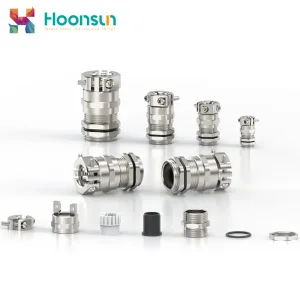
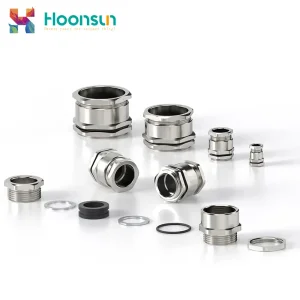
In modern global industries, cable glands act as essential components to secure and protect electrical cables passing through enclosures, bulkheads, or terminal junctions. From chemical processing facilities to offshore wind installations, maintaining the environmental and mechanical integrity of electrical systems is critical. Selecting the appropriate cable gland type and size is crucial for ensuring explosion protection, electromagnetic compatibility (EMC), and waterproof integrity up to IP68/IP69K ratings.
Due to the expansion of infrastructure projects, high-capacity automation, and renewable energy arrays globally, procurement departments must balance technical performance with economic feasibility. Global buyers consistently face challenges with standard harmonization, comparing Metric (EN 60423) threads with European PG (DIN 40430) and American NPT (ANSI/ASME B1.20.1) standards. Ensuring a match between the outer diameter of the cable and the clamping range of the gland avoids seal degradation and hazardous failures.
| Thread Standard | Common Size Range | Primary Geographic Region | Standard Pitch |
|---|---|---|---|
| Metric (M) | M12 to M110 | Europe / Asia / Worldwide | 1.5 mm (typical) |
| PG (Panzergewinde) | PG7 to PG48 | Europe (Legacy Systems) | Varying per DIN 40430 |
| NPT (Tapered) | 3/8" NPT to 4" NPT | North America | 60° Thread Angle |
*Note: Transitioning legacy industrial infrastructures to modern modular networks requires a comprehensive understanding of adapter options and thread parameters.
A comprehensive examination of physical materials, structural mechanisms, and thread configurations necessary to support global industrial environments.
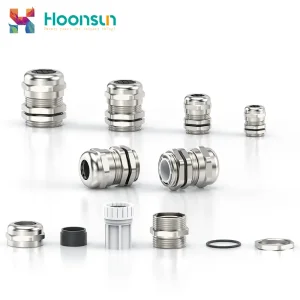
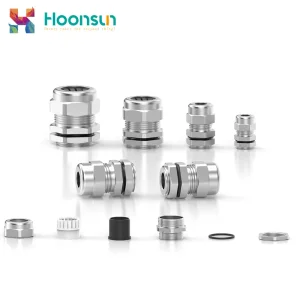
The operational lifespan of a cable connection depends heavily on material selection. Zhejiang Hongxiang Connector Co., Ltd. offers engineering solutions tailored for diverse conditions:
"Achieving verified IP68 sealing requires balancing thread engagement with o-ring compression. Using high-grade Chloroprene (Neoprene) or Silicone seals ensures that temperature-induced expansions do not compromise the seal integrity under continuous immersion up to 5 bar pressure."
| Gland Type | Ingress Rating | Temperature Range | Standard Applications |
|---|---|---|---|
| Metal Shielded (EMC) | IP68 / IP69K | -40°C to +100°C | VFD Motors, Robotics, Power Transmission |
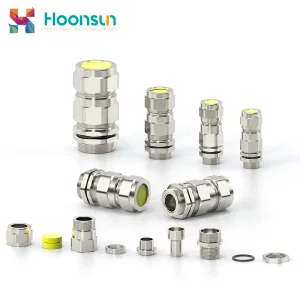
| Explosion-Proof EX3 | Ex d IIC Gb / Ex e II Gb | -52°C to +90°C | Oil & Gas Refineries, Marine Platforms |
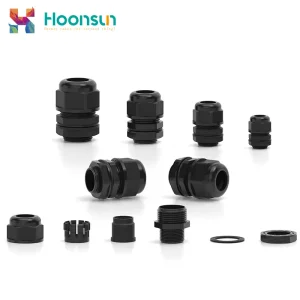
| Nylon Anti-Bending | IP68 (UL Listed) | -40°C to +100°C | Handheld Industrial Terminals, Control Boxes |
Located in Yueqing, Zhejiang—the key industrial cluster for electrical engineering in China—Zhejiang Hongxiang Connector Co., Ltd. leverages a highly optimized supply chain. This location provides access to raw materials, surface treatment facilities, and testing labs.
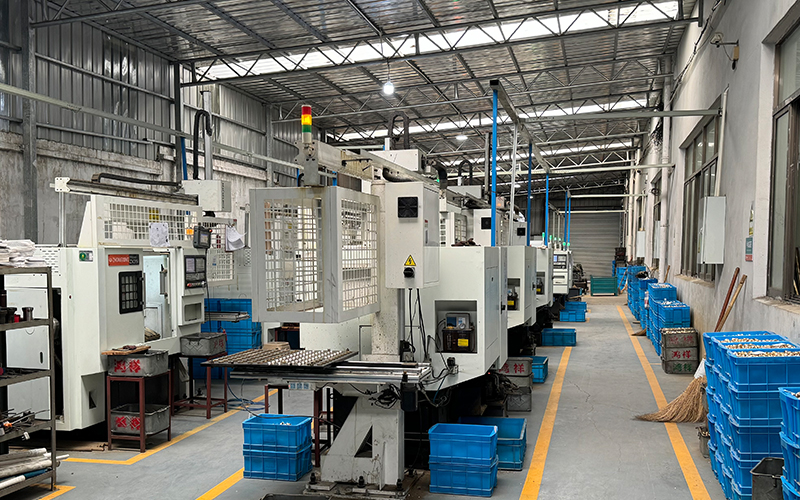
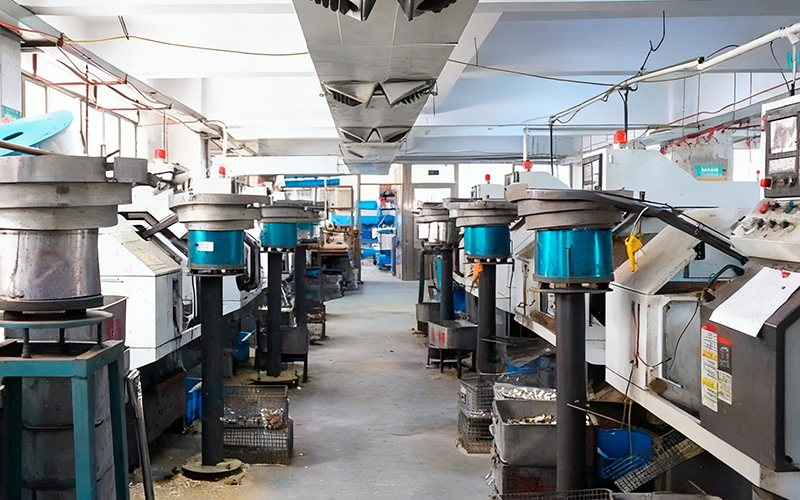
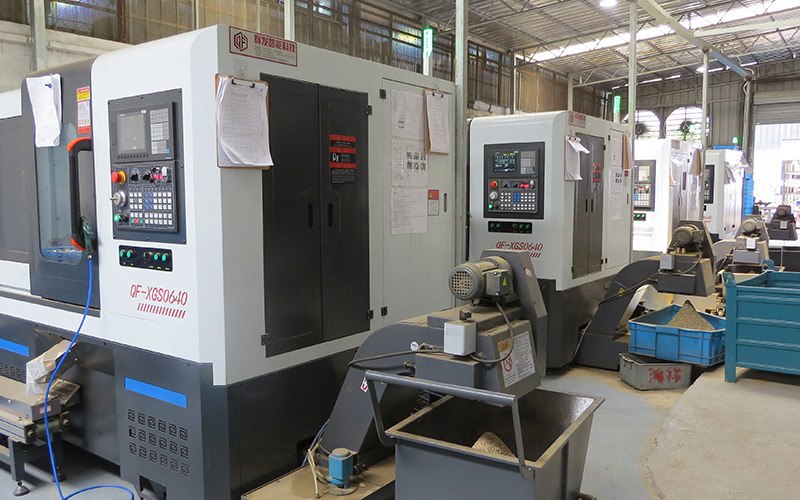
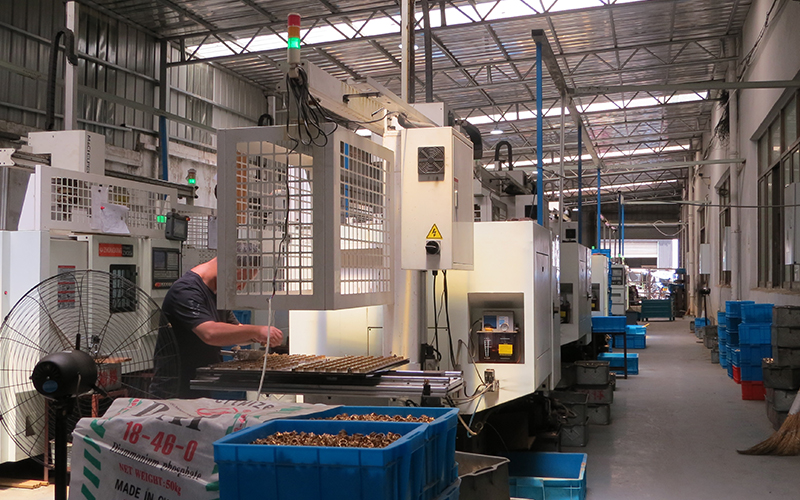
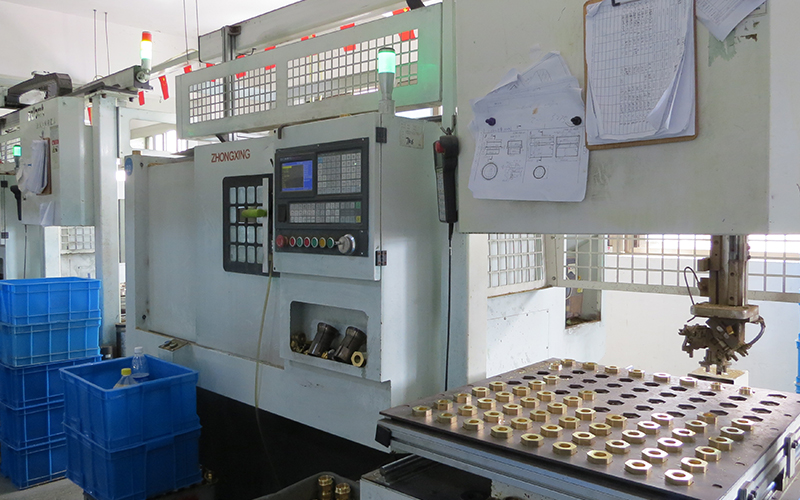
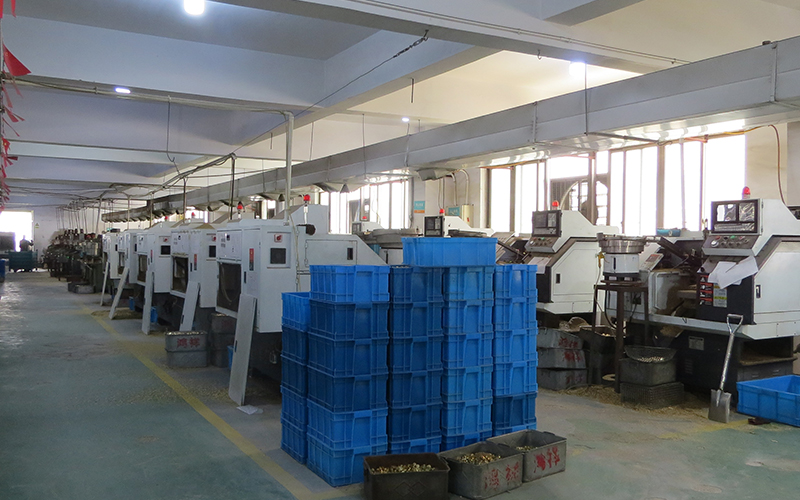
By operating a standardized production space of over 10,000 square meters, we achieve economies of scale. High-precision CNC machining centers, automated injection moulding installations, and automated optical inspection systems help ensure production tolerances are met. These advanced systems enable an annual output exceeding 80 million units while keeping manufacturing costs highly competitive.
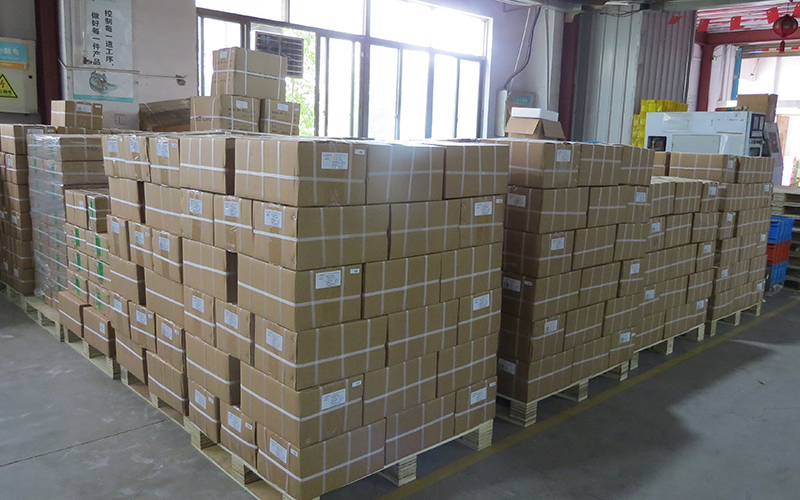
Our facilities support global logistics, allowing us to manage large orders, custom OEM design projects, and ongoing replenishment supply agreements. This helps us ensure short lead times for global engineering clients.
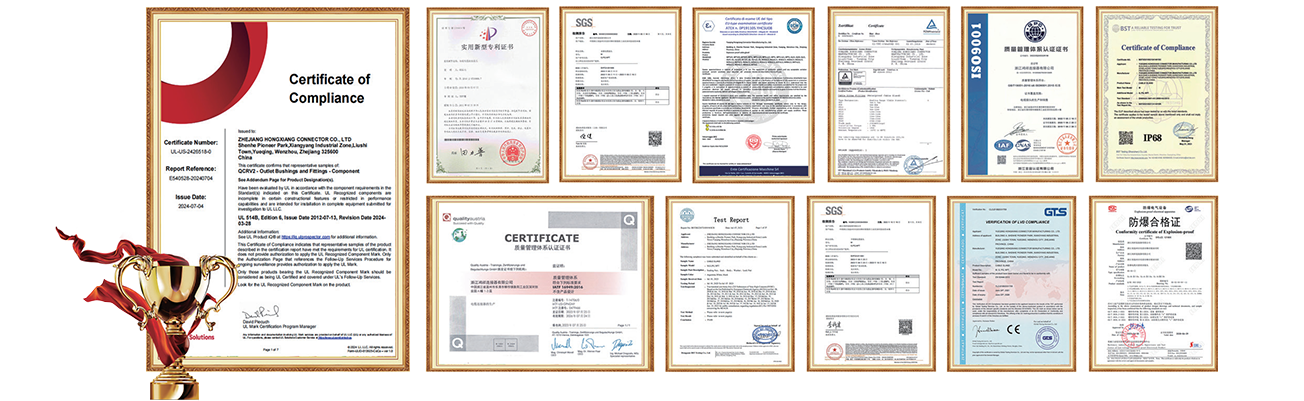
To meet the needs of international projects, our products undergo testing to comply with international standards. We maintain certifications including ISO9001, IATF16949 (for automotive applications), CE, UL, ATEX, RoHS, and IP68.
How our specialized cable gland configurations protect infrastructure and equipment in challenging industrial environments.
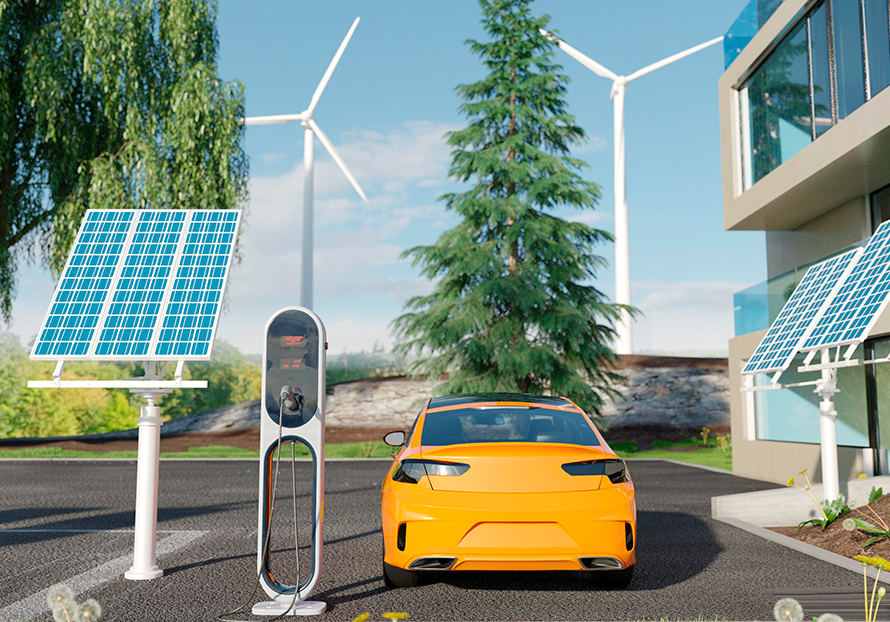
Critical component design managing high-voltage battery enclosures and motor controller units. Built to withstand sustained vehicle vibration, thermal cycling (-40°C to +120°C), and automotive fluid exposure while preserving electromagnetic shielding.

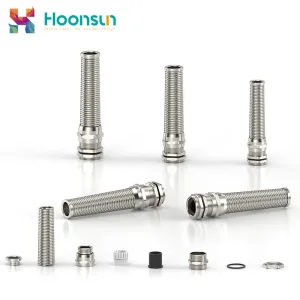
Specially engineered for dynamic flex cycles in automated guided vehicles (AMRs) and articulated arms. Anti-twist mechanisms and integrated strain relief sleeves protect sensitive Ethernet and signal cables from early copper fatigue.
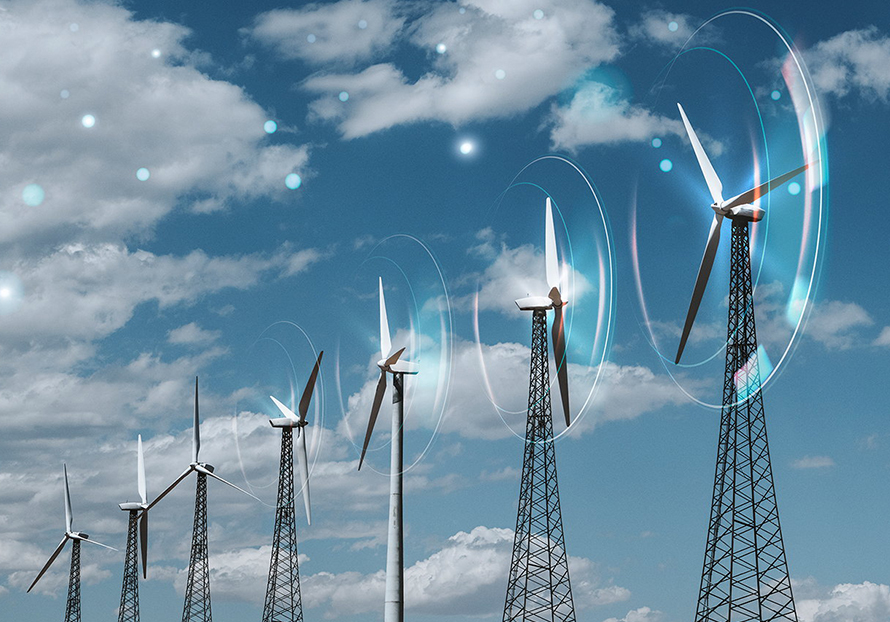
Designed for wind turbine tower bases and offshore substations. Constructed from corrosion-resistant 316L stainless steel and marine-grade brass, providing resistance against salt spray, marine atmosphere corrosion, and mechanical stress.
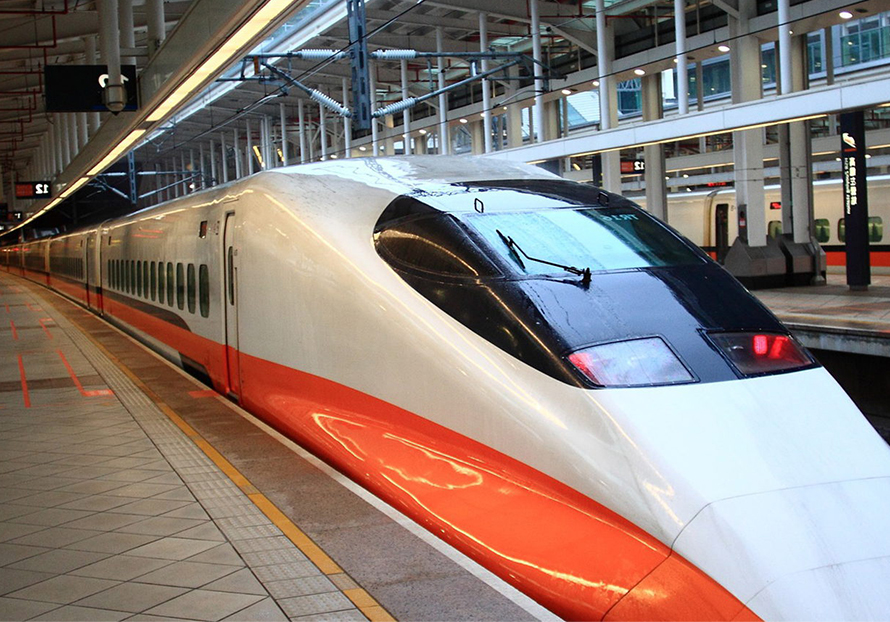
Complies with railway safety requirements, featuring smoke and toxic gas mitigation. Designed to withstand mechanical vibration and ambient humidity in under-car wiring boxes and trackside signal units.
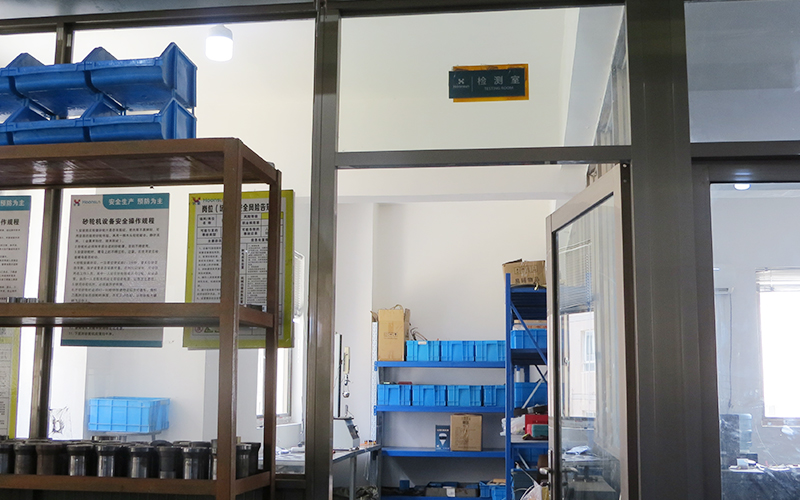
A look inside Zhejiang Hongxiang's digital control workshops, testing equipment, and quality control laboratories.
The cable gland market is shifting toward smarter, safer, and more environmentally stable designs. Key technological advancements include:
Procurement teams at engineering firms look for three key attributes when selecting cable gland partners:
Verification of chemical compatibility, flame resistance ratings, and thickness of plating layers to match target environmental hazards.
Reliable access to UL files, ATEX type examination certificates, and third-party IP68 test results.
Partnering with a supplier that maintains controlled lead times and scales production capacity to prevent delays in EPC projects.
Common questions from design engineers and procurement teams regarding cable entry systems, installation practices, and compliance standards.
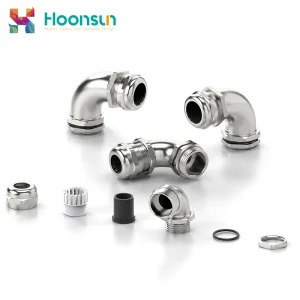
Explore more specialized configurations, including anti-bending designs, split designs, right-angle connectors, and stainless steel versions.
 Hongxiang