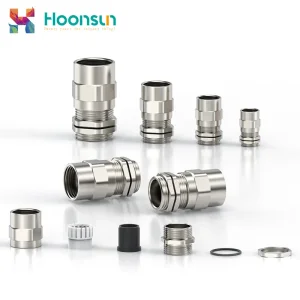
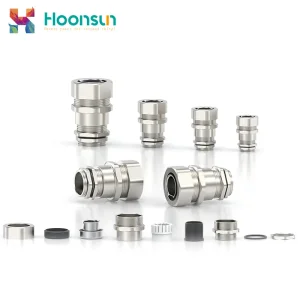
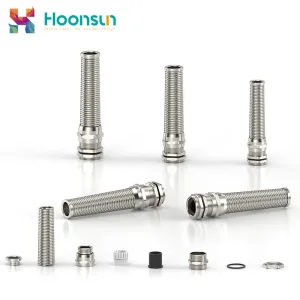
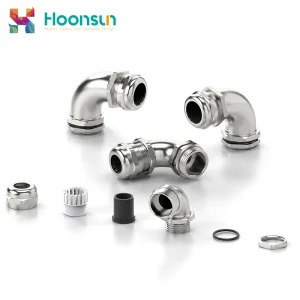
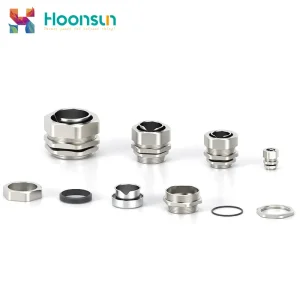
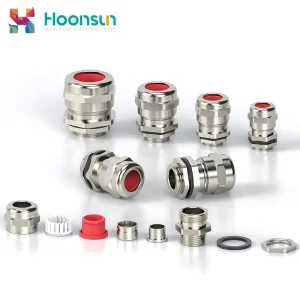
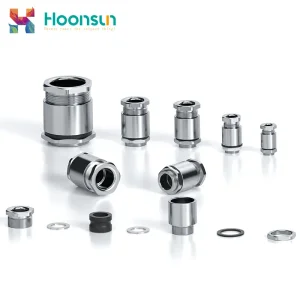
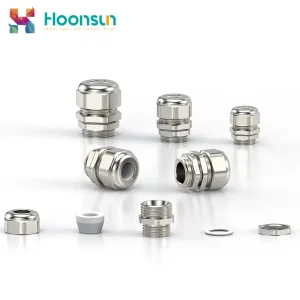
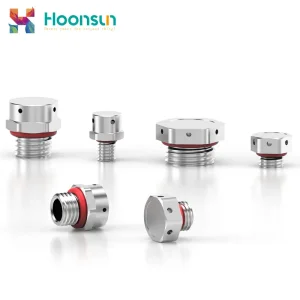
The global industrial landscape is undergoing a tectonic shift driven by the "Dual Carbon" goals and the rapid advancement of Industry 4.0. At the heart of this transformation lies the fundamental need for reliable electrical connectivity. Cable glands, particularly those in the 1-1/2 inch (1.5") size range, have evolved from simple mechanical fasteners to critical safety components that ensure the integrity of power and signal transmission in the world's most demanding environments.
With the surge in renewable energy installations—from massive offshore wind farms in the North Sea to sprawling solar arrays in the Gobi Desert—the demand for IP68-rated, UV-resistant cable glands has reached unprecedented levels.
Industrial automation and robotics require glands that can handle constant dynamic movement without compromising the seal. China's manufacturing clusters are now producing advanced "Anti-Bending" and "Vibration-Proof" solutions to meet this need.
The EV revolution (NEV) requires high-voltage shielding (EMC) and thermal stability. 1-1/2" glands are the standard for heavy-duty charging stations and battery management systems.
Founded in 2006, Zhejiang Hongxiang Connector Co., Ltd. is rooted in Yueqing, Zhejiang — a national hub for precision electrical manufacturing in China. After nearly two decades of dedicated development, the company has evolved into a large modern industrial connectivity solutions provider integrating R&D and design, large-scale intelligent manufacturing, global sales, and one-stop services.
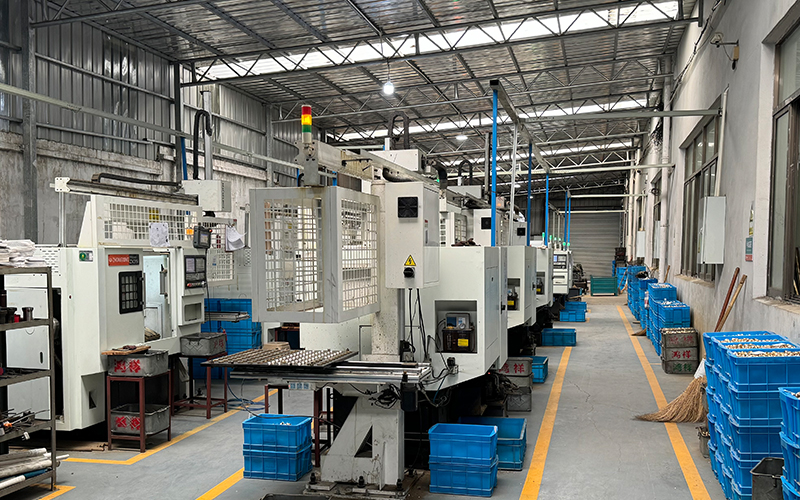
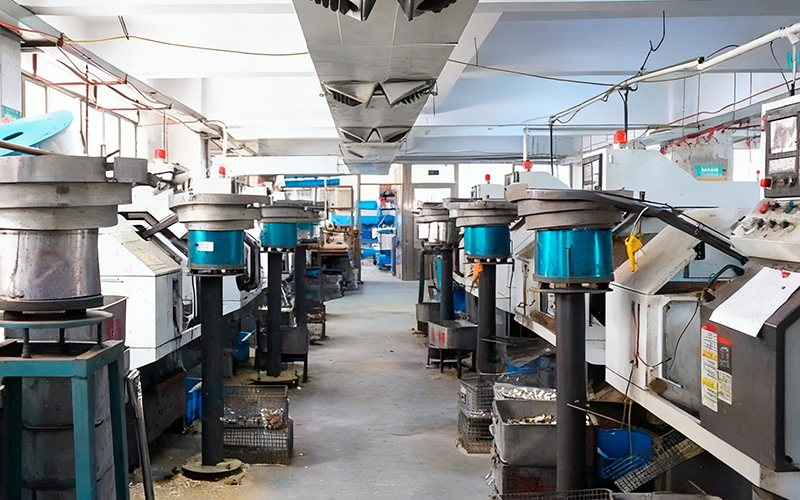
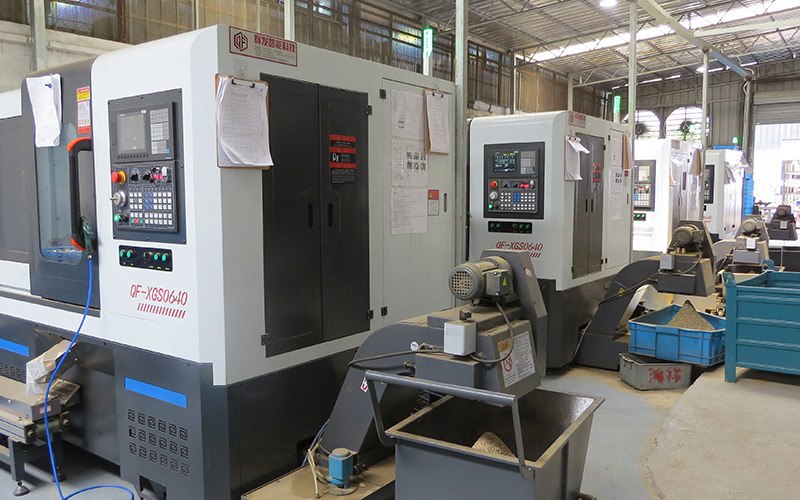
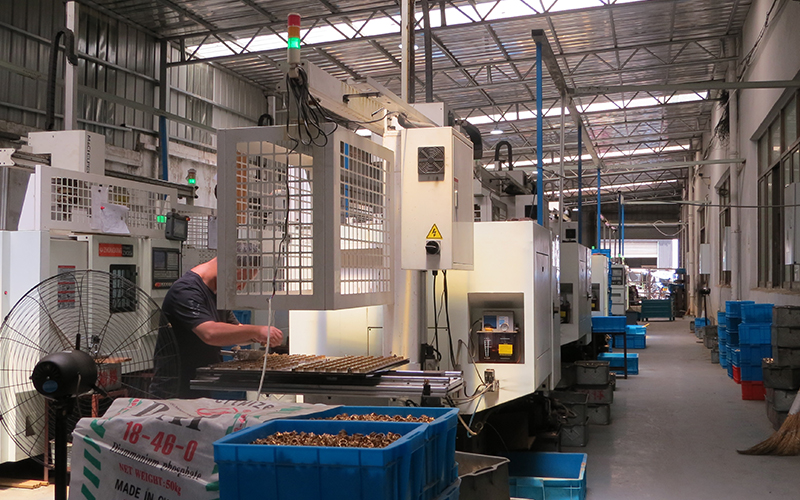
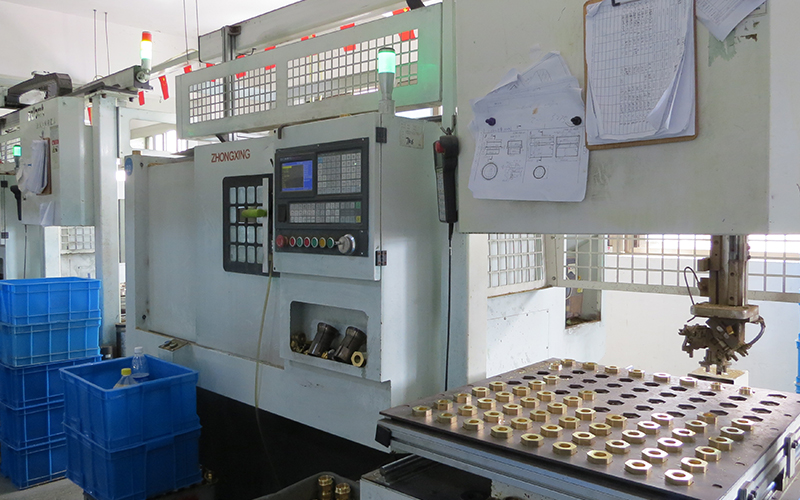
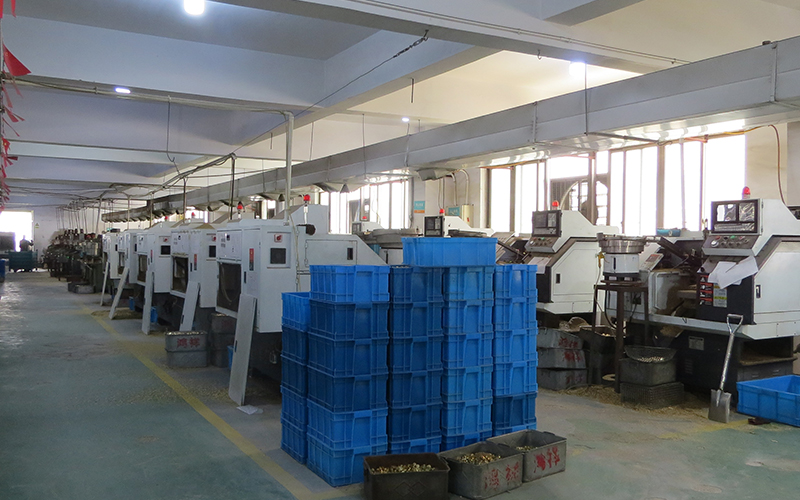
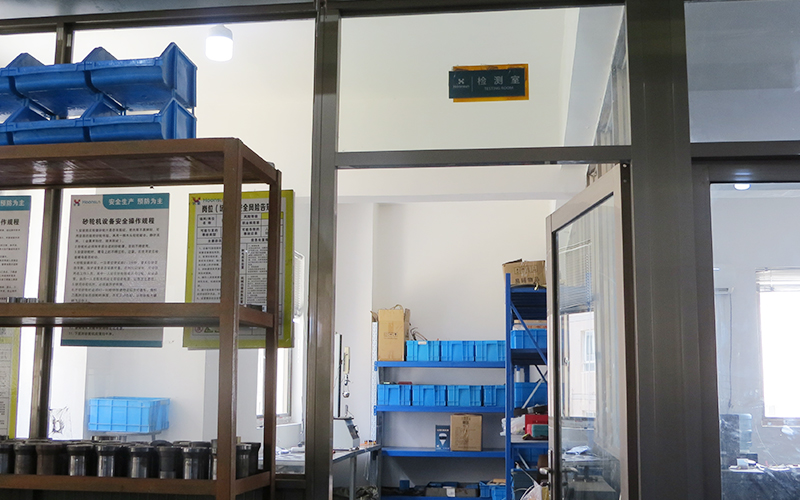
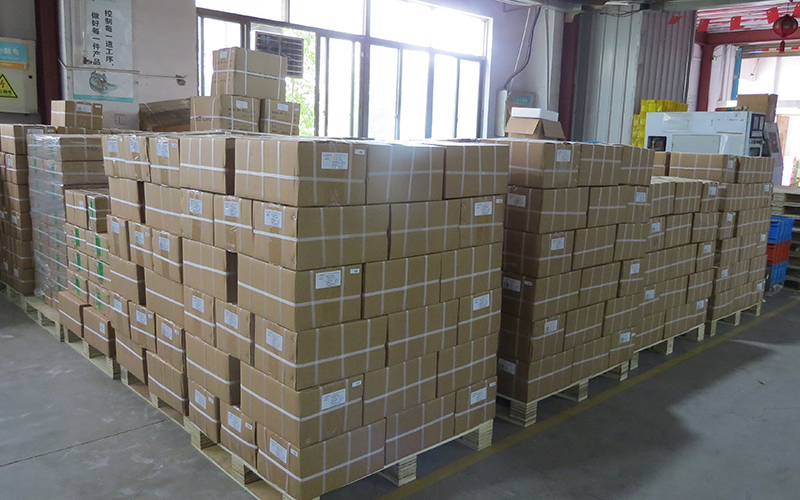
Boasting a modern intelligent manufacturing industrial park, the company operates a standardized production workshop of over 10,000 square meters, equipped with multiple high-precision automated production lines, CNC machining centers, and a full-process quality control laboratory. With a core team of more than 300 professionals — over 30% of whom are R&D and quality management personnel — its annual production capacity exceeds 80 million units.
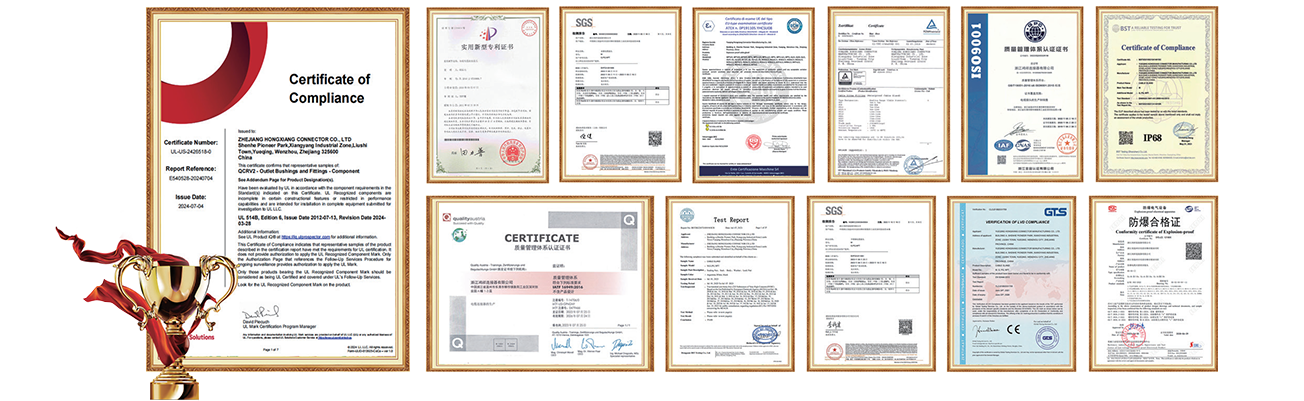
Navigating global markets requires more than just a product; it requires a deep understanding of local standards. Our glands are designed to meet UL (North America), CE (Europe), and ATEX (Explosive Atmospheres) requirements simultaneously, reducing the complexity for global OEMs.
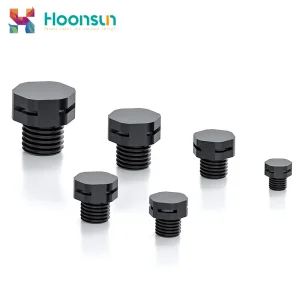
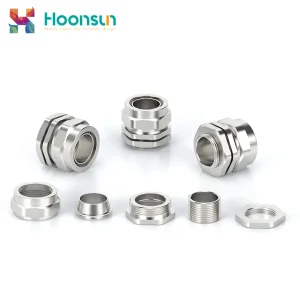
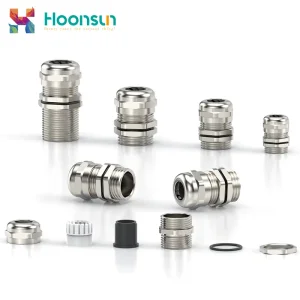
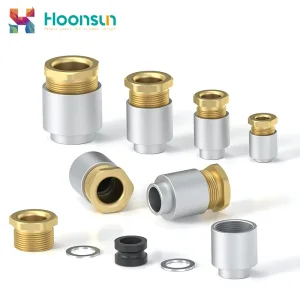
We leverage 316L Stainless Steel for marine applications, Nickel-Plated Brass for general industrial shielding, and V0-rated Nylon for cost-effective flame retardancy. Each material is chosen for its "Information Gain" in specific environmental stressors.
The future of cable glands lies in "Self-Monitoring." Our R&D team is currently developing glands with integrated moisture sensors and thermal tags to provide predictive maintenance data via IoT gateways.
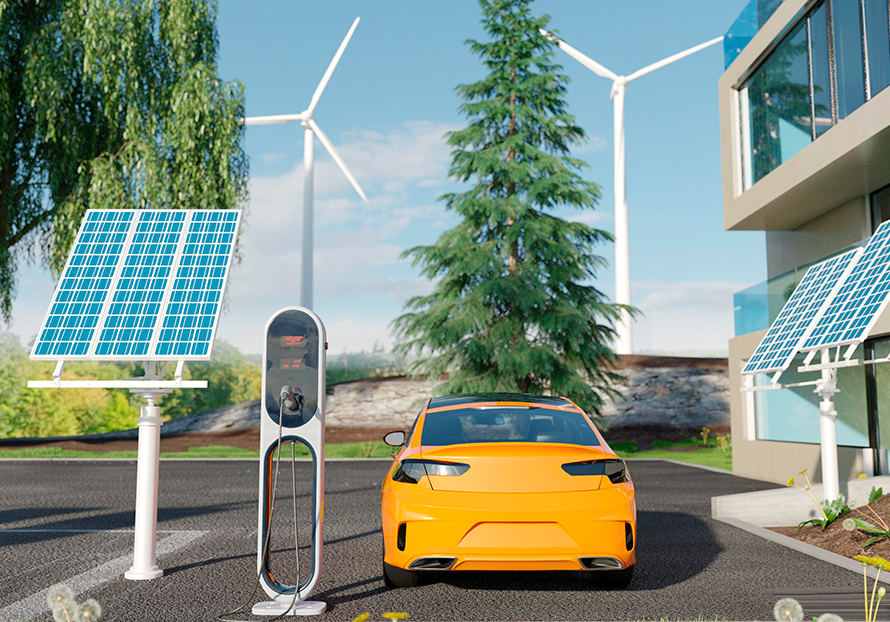
Critical for managing high-voltage battery packs and motor controllers. Engineered to withstand extreme vibrations and chemical exposure in EV platforms.
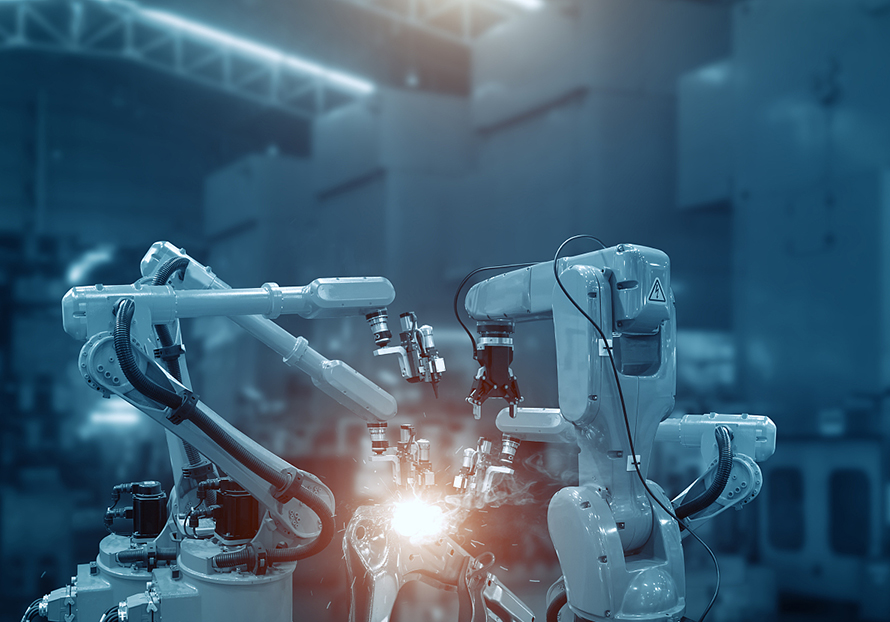
Managing power and data cables in AMRs and cobots. Ensures IP68 sealing while allowing for the high-frequency dynamic movements required in modern factories.
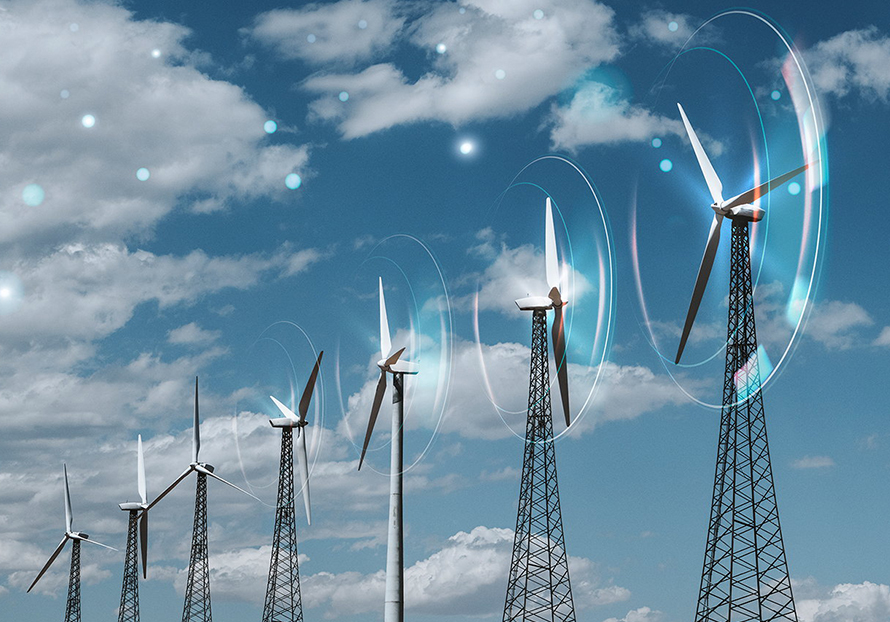
Designed to resist salt fog and extreme temperatures (-52℃ to 90℃). Essential for the longevity of onshore and offshore wind turbine control systems.
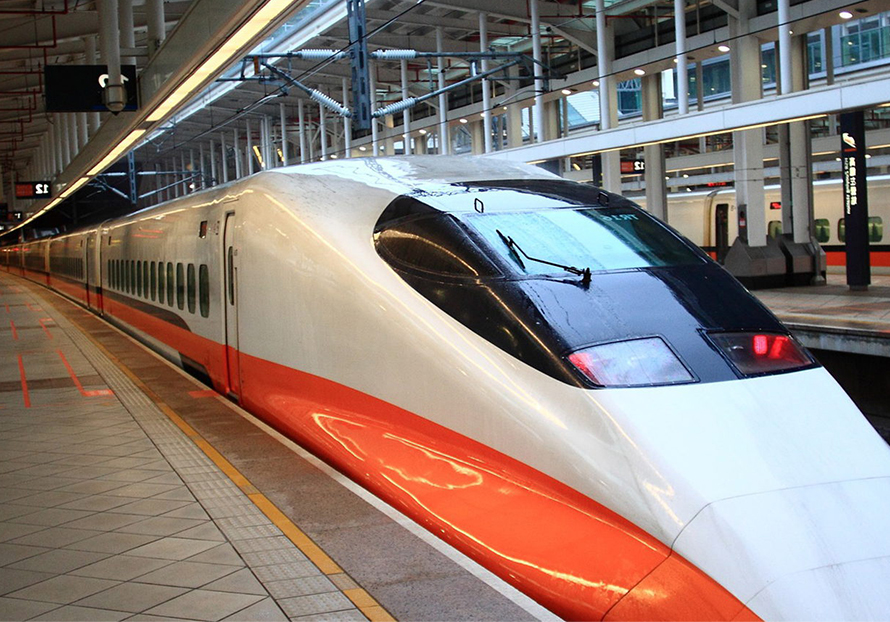
Used in rolling stock and tunnels. Features flame-retardant properties and extreme vibration resistance to ensure the safe operation of metro and high-speed rail.
The 1-1/2 inch size is the standard for high-current power cables and multi-core signal cables. It provides sufficient interior diameter for armored cables while maintaining a compact footprint for junction boxes.
China's electrical clusters, particularly in Zhejiang, offer a vertically integrated supply chain. This means faster R&D, lower logistics costs for raw materials, and the ability to scale production to millions of units with consistent UL/CE quality standards.
IP68 rating ensures that the cable entry is completely dust-tight and can withstand long-term immersion in water under pressure. This prevents short circuits and corrosion inside sensitive electronic enclosures.
Yes, we provide Metric (M), PG, NPT, and G (PF) threads to meet different regional standards (European, American, and Asian) for seamless localized installation.

 Hongxiang