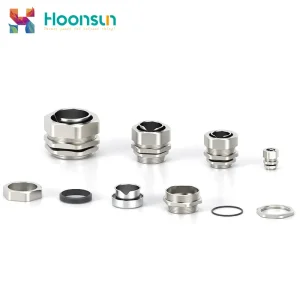
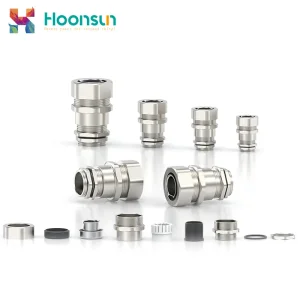
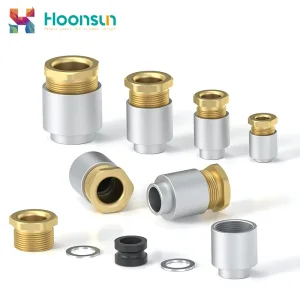
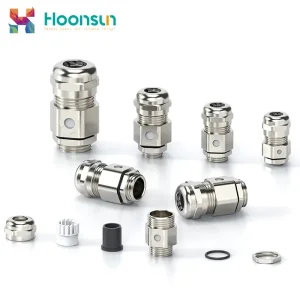
In the rapidly evolving landscape of global industrial infrastructure, the "small parts" often hold the highest strategic value. Cable glands, once viewed as simple mechanical fasteners, have transformed into critical safety components that ensure the integrity of electrical systems in extreme environments. From the salt-misted platforms of offshore wind farms to the high-vibration corridors of rail transit, the demand for superior ingress protection (IP68/IP69K), explosion-proof reliability (ATEX/IECEx), and electromagnetic compatibility (EMC) has never been higher.
As we navigate 2024, the cable gland industry is witnessing a seismic shift driven by Sustainability, Digitalization, and Supply Chain Resilience. China, specifically the hub of Yueqing, has emerged not just as a manufacturing base, but as the global epicenter for R&D and intelligent production of these vital accessories. This report explores the technological benchmarks and procurement trends defining the next decade of industrial connectivity.
Global CAGR for industrial connectors is projected at 6.8%, driven by automation and NEV expansion.
Adhering to UL, CE, and RoHS is no longer optional—it is the baseline for global market entry.
Massive investments in smart grids and 5G base stations require specialized cable entry solutions.
Sustainable materials and RoHS compliance are reshaping how global procurement teams select partners.
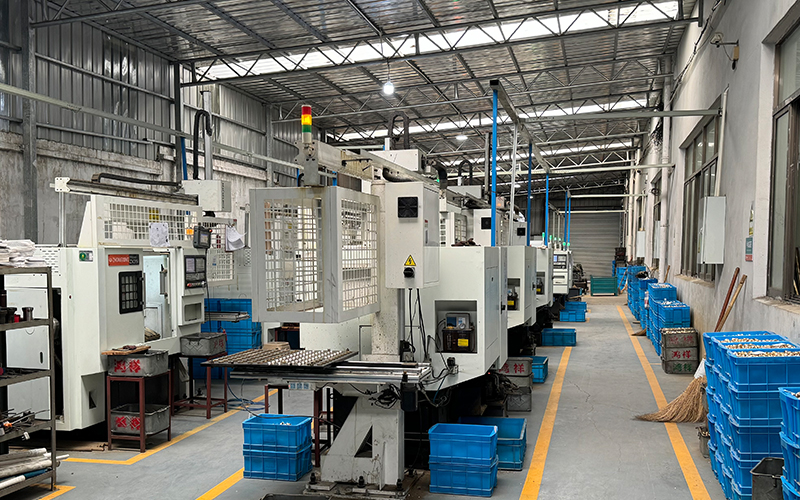
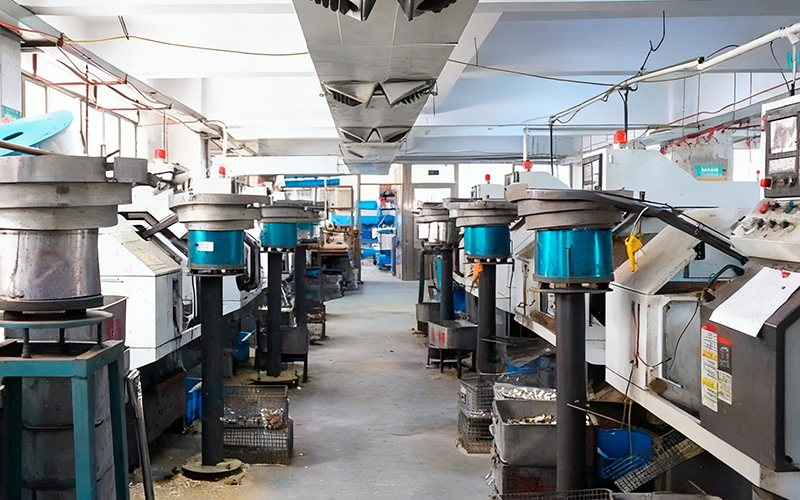
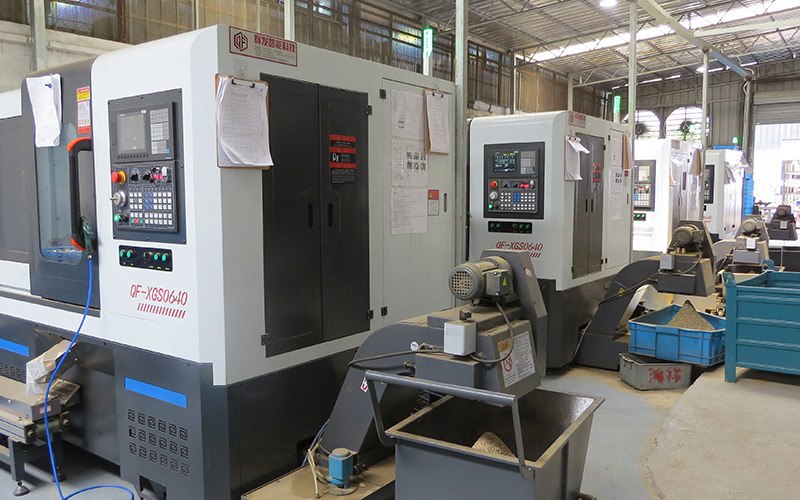
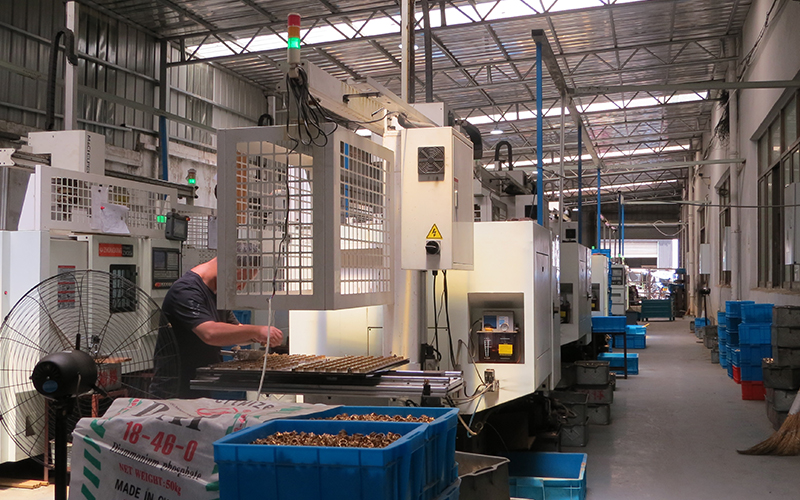
Zhejiang Hongxiang Connector Co., Ltd., founded in 2006, represents the pinnacle of China's Industry 4.0 evolution. Our 10,000+ square meter intelligent manufacturing park in Yueqing integrates digital twin technology and automated precision machining to deliver over 80 million units annually.
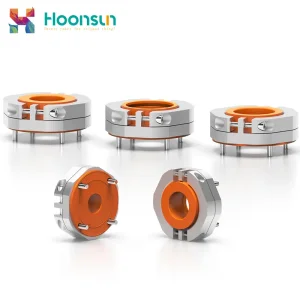
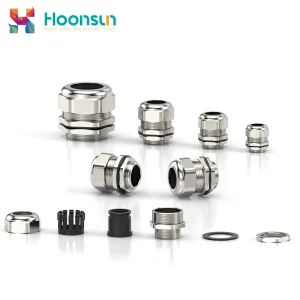
As electrical cabinets become smaller and more complex, there is a rising demand for multi-hole and compact metal cable glands that provide high-strength clamping without compromising space.
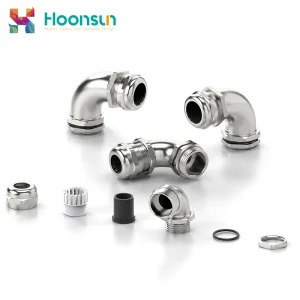
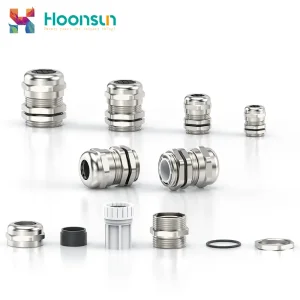
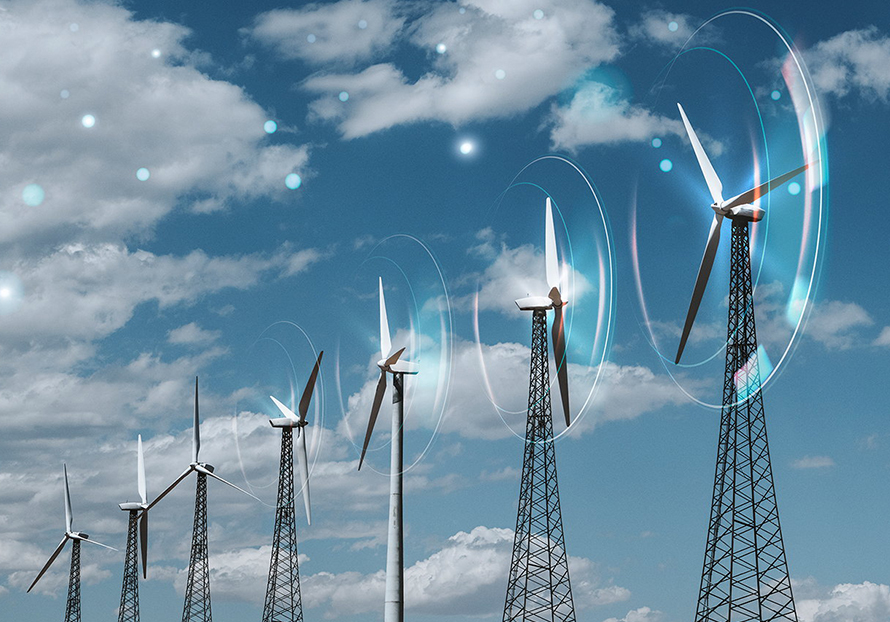
With the surge in offshore wind and marine engineering, 316L Stainless Steel and specialized nickel-plating have become the standard for preventing galvanic corrosion in saline atmospheres.
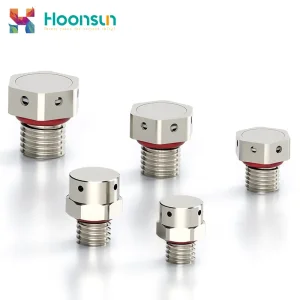
Enclosures in outdoor environments face pressure differentials that cause seal failure. Breathable cable glands (Vent Glands) are now essential to equalize pressure and prevent condensation.
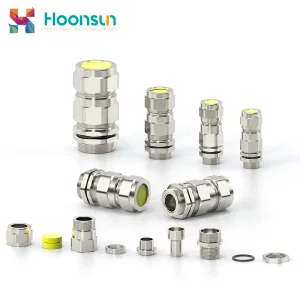
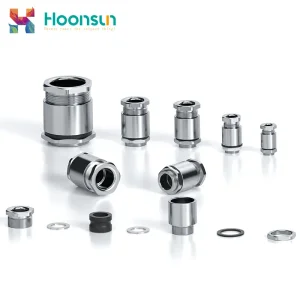
Deeper Insight: Our marine glands, specifically the TH Standard type, are designed for the rigorous demands of shipbuilding. They utilize a specialized clamping technology that prevents cable displacement even under constant maritime vibration. Similarly, our explosion-proof clamps are vital for the petrochemical industry, where a single spark can be catastrophic. By integrating UL and ATEX certifications, we provide a "One-Stop" compliance solution for global EPC contractors.
Metric (M) threads are the global standard (ISO), defined by their outer diameter and pitch. PG (Panzergewinde) is an older German standard still prevalent in European machinery. NPT (National Pipe Thread) is the tapered standard used primarily in North American industrial applications. We provide all three to ensure global compatibility.
IP68 means the gland is "Dust Tight" and protected against "Continuous Immersion" in water. For industrial applications, this prevents internal corrosion of the equipment, reduces maintenance downtime, and extends the lifespan of the entire electrical assembly.
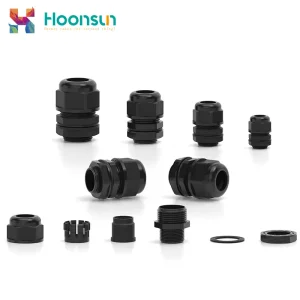
While Nylon is cost-effective and corrosion-resistant, Nickel-Plated Brass offers superior mechanical strength, better EMC shielding, and higher fire resistance. It is the preferred choice for heavy-duty industrial and hazardous area applications.
Yes. With our in-house R&D team and CNC machining center, we can customize seal materials (Silicone, Viton, EPDM), thread lengths, and clamp ranges to meet specific project requirements.
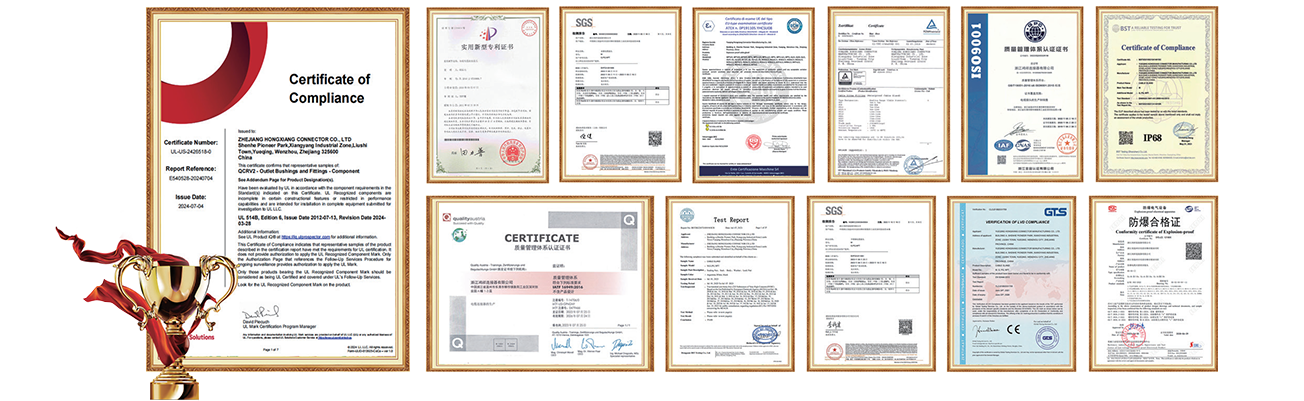
ISO9001 & IATF16949 Certified Quality Management Systems.

UL, CE, ATEX, and RoHS Compliance for Global Markets.
Our in-house laboratory performs salt spray tests, aging tests, and IPX8 immersion tests to ensure every batch meets the highest safety standards.
 Hongxiang