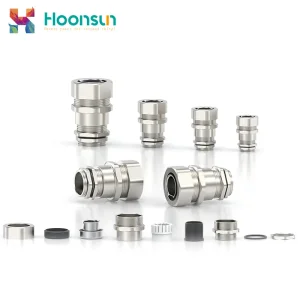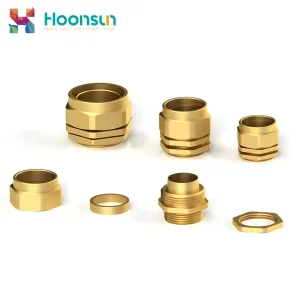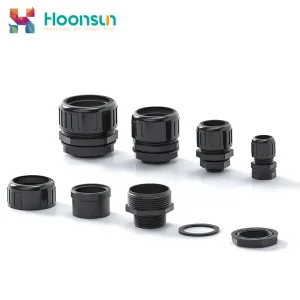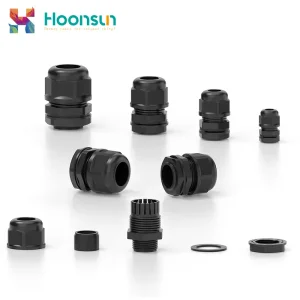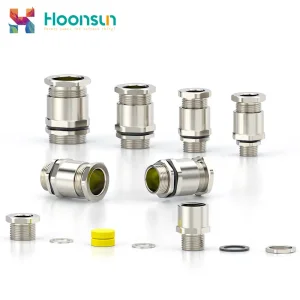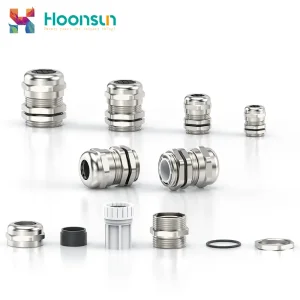
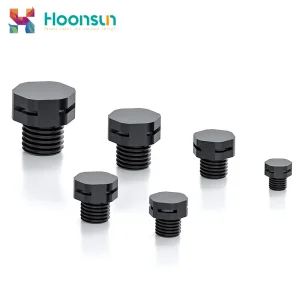
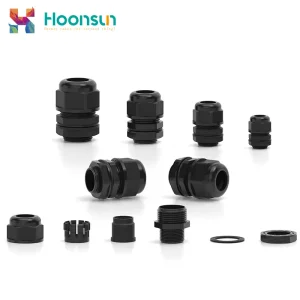
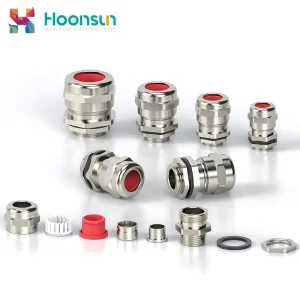
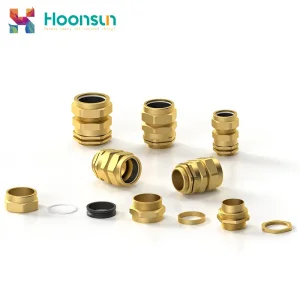
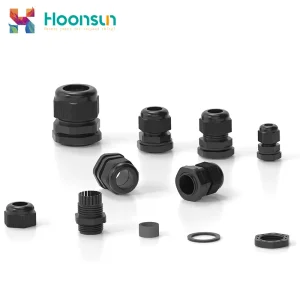
A professional sizing, material, and electrical integrity guide for selecting cable termination components for heavy-duty 95 mm² power cables.
Terminating a heavy-duty power cable with a nominal conductor cross-sectional area of 95 mm² (sq mm) requires precise understanding of structural cable metrics. The conductor itself is generally composed of stranded copper or aluminum, measuring approximately 11.5 mm to 13.5 mm in core diameter. However, the outer insulation (often XLPE, PVC, or EPR), copper screening, bedding, and potential armoring (SWA or AWA) push the Cable Outer Diameter (OD) to a range typically between 22.0 mm and 38.0 mm.
Consequently, there is no single "95 sq mm cable gland". The choice depends strictly on the cable's configuration (armored vs. unarmored) and the design environment. Most high-performance industrial standard setups require metric sizes M40 × 1.5 or M50 × 1.5, or PG sizes PG36 to PG42 to guarantee proper mechanical grip, IP68 environmental sealing, and continuous grounding path protection.
| Cable Type (95 mm²) | Typical Outer Dia. (OD) | Recommended Thread (Metric) | Standard PG Thread |
|---|---|---|---|
| Single Core (Unarmored) | 18.5 - 23.5 mm | M32 / M40 | PG29 / PG36 |
| Single Core (Armored - AWA) | 24.0 - 29.0 mm | M40 | PG36 |
| 3-Core / 4-Core (Unarmored) | 32.0 - 39.0 mm | M50 | PG42 |
| 3-Core / 4-Core (Armored - SWA) | 36.0 - 44.0 mm | M50 / M63 | PG42 / PG48 |
A benchmark modern industrial connectivity provider combining smart manufacturing, rigorous R&D, and complete supply chain integration.
Founded in 2006, our 10,000+ sqm manufacturing park features automated production, high-precision CNC centers, and comprehensive test labs. Over 30% of our 300+ professionals focus on R&D and quality control, yielding an annual capacity of 80M+ units.
Our solutions comply with the absolute highest international guidelines. We hold ISO9001, IATF16949 automotive certification, CE, UL, ATEX explosion-proof certification, RoHS compliance, and IP68 high-protection ingress ratings.
From Europe and America to the Middle East, we support Fortune Global 500 corporations and national key projects with stable, secure, and custom-developed cable terminations optimized for heavy industrial applications.
Deploying high-ampacity 95 sq mm cables demands absolute insulation, vibration dampening, and mechanical stress resilience. Here is how our cable glands protect critical infrastructure.
Cable glands are critical for new energy vehicles (NEVs), serving as essential components to manage and protect cables in high-voltage systems, battery packs, motor controllers, charging interfaces, and other core electrical units. Engineered to withstand extreme temperatures, vibration, moisture, and chemical exposure, they ensure reliable sealing, prevent dust/water ingress, and maintain insulation integrity to avoid electrical hazards. By securing and routing power, signal, and communication cables, they enhance the safety, stability, durability, and performance consistency of the vehicle's electrical system.
Cable glands are essential for robotics, managing and protecting power, signal, and data cables in industrial robots, cobots, AMRs, and more. Adapted to dynamic movements, harsh industrial environments (dust, coolant, mechanical stress), they prevent tangling, abrasion, and disconnection while ensuring IP68-rated sealing. By safeguarding electrical connections and reducing cable wear, they enhance robotic operational stability, precision, and service life. Compatible with various cable sizes and compliant with IEC/UL standards, they are foundational for reliable robotic systems.
Cable glands are vital for onshore/offshore wind power systems (turbines, substations, tower bases), protecting power/control/signal cables. Engineered to resist salt fog, extreme temps (-52℃ to 90℃), vibration, and UV, they offer IP68 sealing, explosion-proof performance, and EMC shielding. Made of durable EPDM rubber or 316L stainless steel or brass, they prevent cable abrasion/displacement and electrical hazards, ensuring long-term operational stability and safety.
Cable glands are key protective components in rail transit systems, widely used in rolling stock, substations, tunnels, and equipment rooms of metro, high-speed rail, and intercity rail. They secure and protect power, control, and signal cables. Adapted to harsh operating conditions, they feature an IP68 protection rating, resisting moisture, dust, and rodent damage, while withstanding extreme temperatures from -40℃ to 90℃ and continuous vibration. They offer explosion-proof and sealing performance to prevent cable abrasion.
Where industrial cable termination is going: Smart systems, advanced metallurgy, and zero-halogen polymers.
As industry marches toward Automation 5.0, connectivity terminations are no longer passive mechanical components. Zhejiang Hongxiang Connector Co., Ltd. is actively investing in smart connector concepts. The technology roadmap for heavy-duty 95 sq mm cable glands includes the integration of miniaturized thermistors and strain-gauge sensors directly into the gland's internal sealing ring. This allows real-time telemetry on cable core temperature and structural strain, predicting thermal runaways in high-load setups before downtime occurs.
The chemical structure of sealing rings is undergoing a major evolution. Traditional neoprene and NBR are systematically upgraded with high-performance EPDM and fluoroelastomers (FKM) to withstand aggressive chemicals and extreme temperature thresholds (-60°C to +200°C). Furthermore, in line with modern green initiatives, all high-gauge nylon ranges are transitioned to halogen-free, flame-retardant polyamide (UL94 V-0 rated), protecting human life and equipment during fire events by eliminating toxic smoke emissions.
For maritime and offshore wind installations, brass is treated with specialized triple-layer electroplating (Nickel-Chromium-Zinc alloys), yielding salt-spray resistance exceeding 1000 hours in testing chambers. Development is also underway for 316L stainless steel designs with super-hydrophobic nano-coatings. These coatings minimize mineral accumulation and completely reject moisture ingress at joint threads, extending the typical component lifespan to over 25 years in harsh conditions.
Why leading global EPCs, OEMs, and distributors depend on Zhejiang Hongxiang's advanced production systems.
Unlike standard trading suppliers, we handle the entire process from raw material formulation, precision machining, and tooling design, to chemical curing and validation testing. This integrated workflow prevents raw material inflation and delivers direct cost control to the customer.
Operating under IATF 16949 standards (the automotive quality benchmark), we implement automated optical inspection (AOI) alongside automated thread testers. Each 95 sq mm cable gland batch undergoes random pressure chamber testing at 5 bar pressure for 24 hours to verify IP68 protection.
Located near Ningbo and Shanghai ports, we use automated ERP warehousing systems to support JIT (Just-in-Time) delivery cycles. We maintain safety stock levels for common metric and PG sizes, shortening delivery times for critical industrial infrastructure projects.
Direct visual proof of our quality standards, testing infrastructure, and manufacturing capabilities.
Whether you're a beginner or an experienced practitioner, a high-quality yoga attire set can provide you with optimal comfort and flexibility, allowing you to reap the maximum benefits from every practice. (Similarly, our certified manufacturing processes guarantee ultimate electrical safety and sealing performance.)
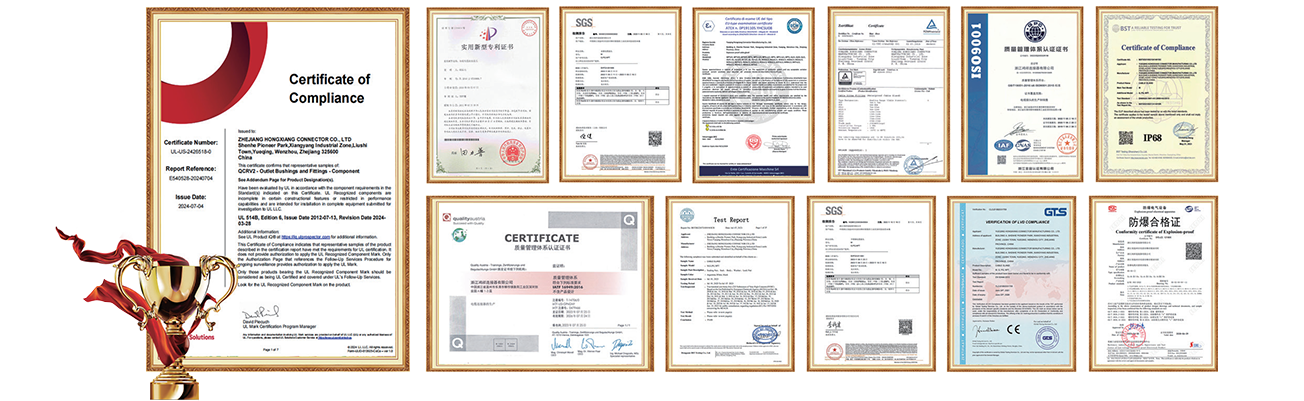

The company currently has more than 120 employees, more than 200 production equipment, and is equipped with a professional sales and management team, committed to improving production efficiency and product quality.
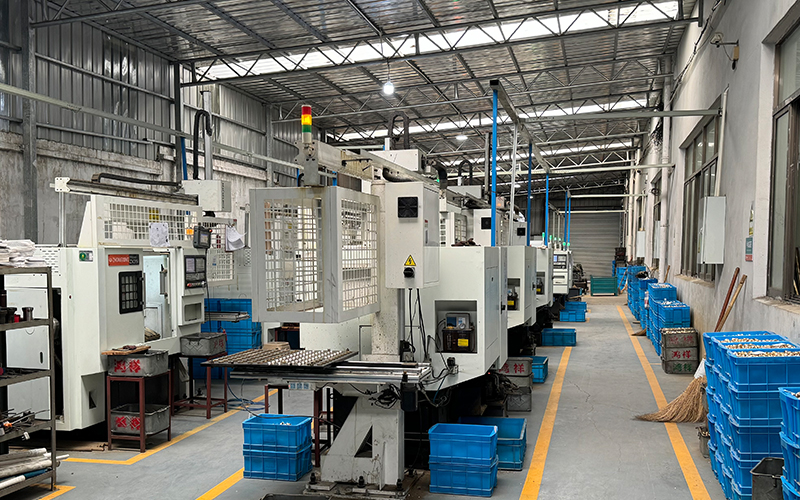
Mechanical equipment
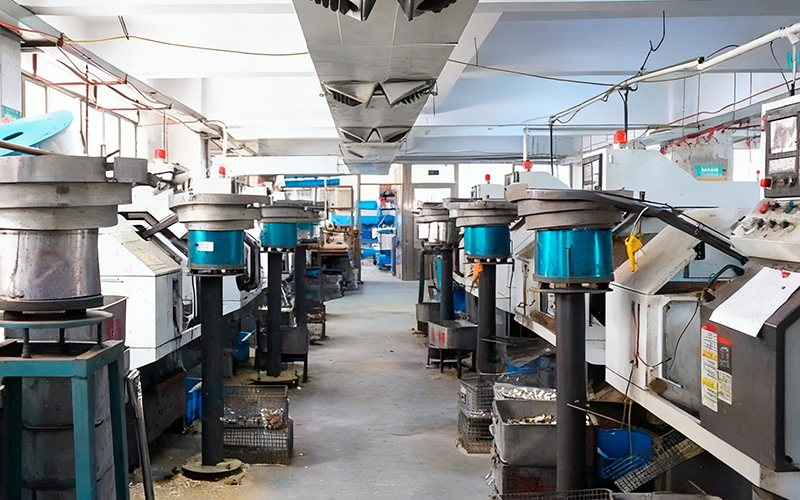
Mechanical equipment
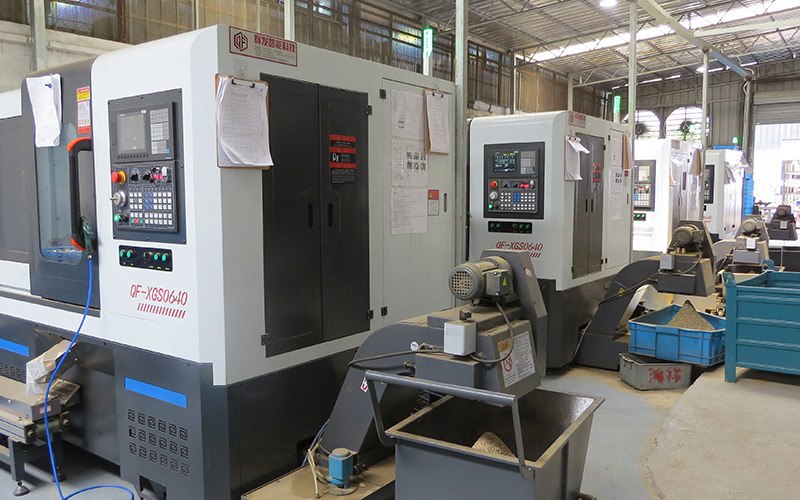
Mechanical equipment
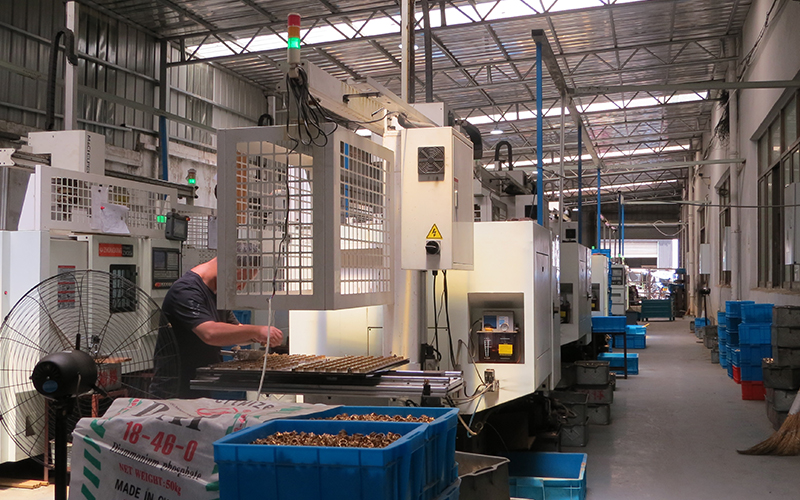
Mechanical equipment
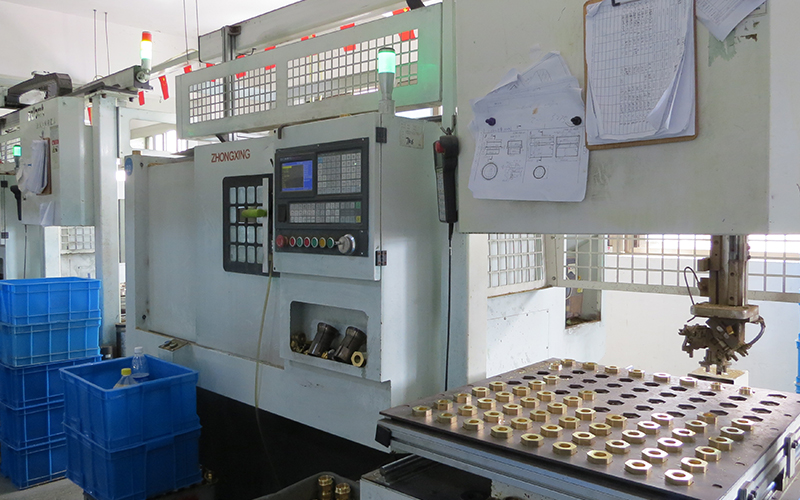
Mechanical equipment
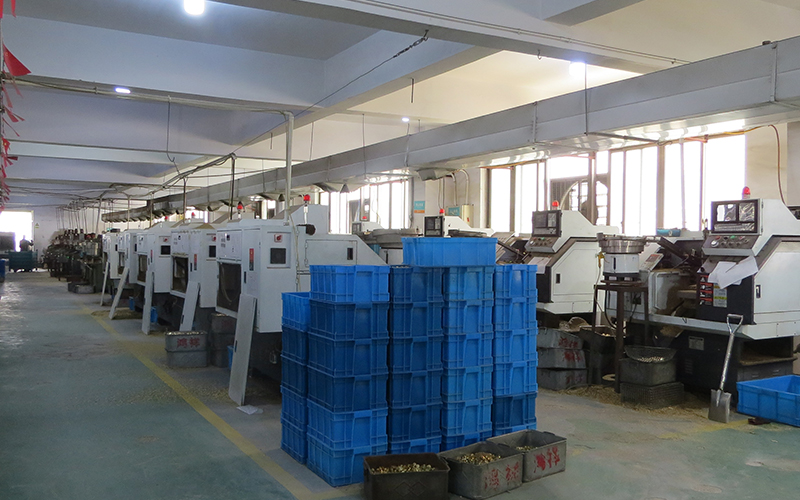
Mechanical equipment
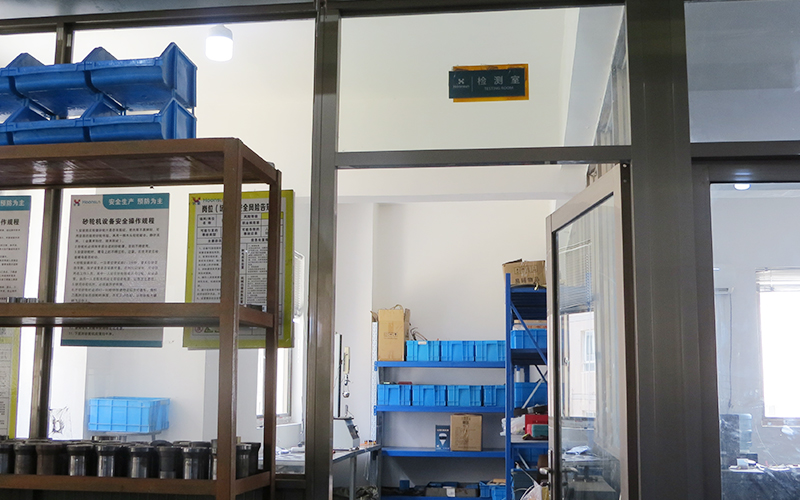
Testing room
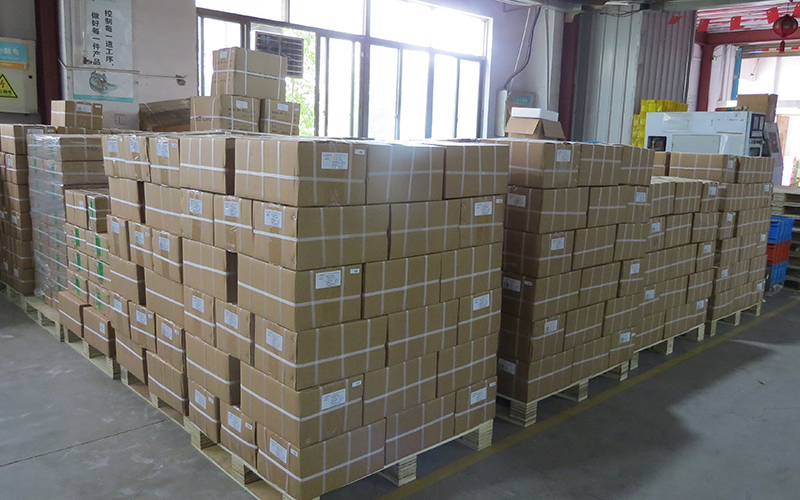
Product stacking
Expert technical answers to standard questions on 95 sq mm cable gland sizing, compliance, and deployment.
 Hongxiang