 Hongxiang
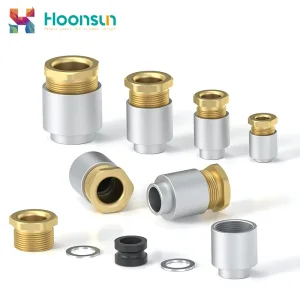
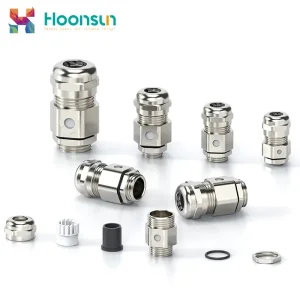
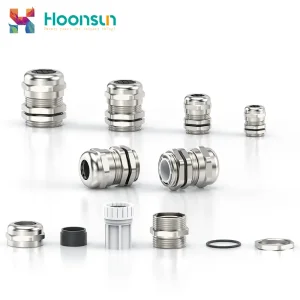
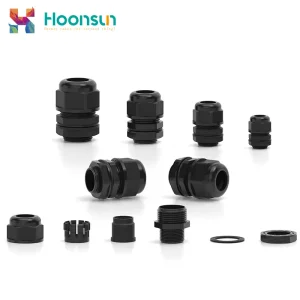
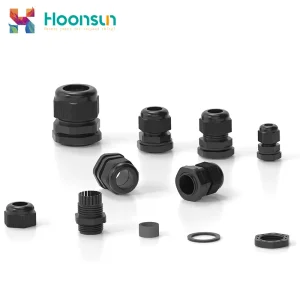
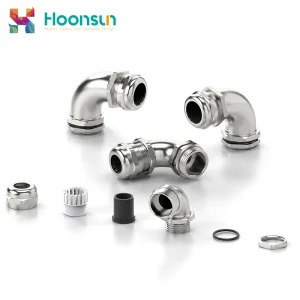
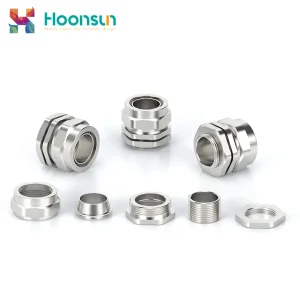
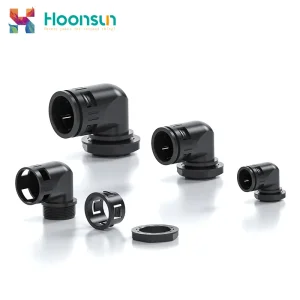
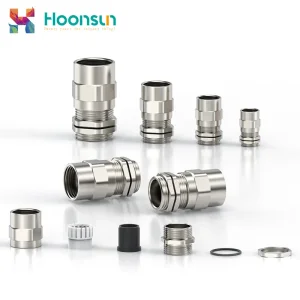
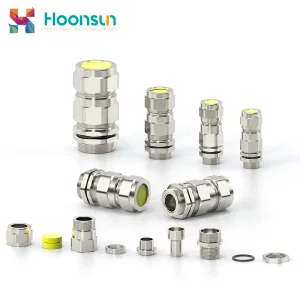
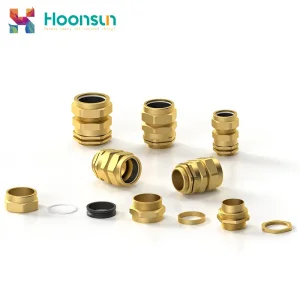
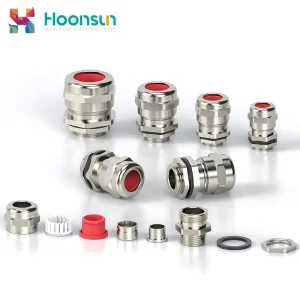
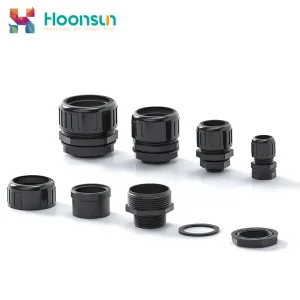
In the landscape of modern industrial connectivity, the "15mm cable gland" represents far more than a simple fastening component. It is the critical interface where environment meets electrical integrity. As a cornerstone of the global supply chain, Chinese manufacturers have elevated this precise engineering component to meet the stringent demands of Industry 4.0, renewable energy, and automated robotics. By leveraging deep-tier manufacturing capabilities, China-based factories are now delivering solutions that balance cost-efficiency with uncompromising safety standards like IP68, UL, and ATEX certifications.
Why China is the Global Hub for Cable Gland Manufacturing
The dominance of China in the cable gland sector is not accidental; it is the result of decades of vertical integration. Unlike fragmented markets, Chinese industrial clusters (like the one in Yueqing, Zhejiang) provide a holistic ecosystem. Raw material sourcing (Brass, 316L Stainless Steel, Polyamide 66), automated CNC precision machining, and specialized anti-corrosion coating processes are all located within a localized radius. This reduces lead times, optimizes inventory management, and allows for massive scalability—vital for Fortune 500 projects.
Key Trends Defining the Market
- Miniaturization & High-Density Routing: As control cabinets and robotic arms become more compact, the precision of 15mm variants is becoming the industry standard to save space without compromising sealing effectiveness.
- Material Science Innovation: Moving beyond standard nylon, the industry is shifting toward flame-retardant (V0 grade), UV-resistant, and chemically inert materials capable of withstanding extreme temperature fluctuations (-50°C to +120°C).
- Smart Manufacturing: Integration of IoT-ready production lines ensures that every batch of cable glands maintains uniformity, achieving Cpk values that satisfy the rigorous automotive and aerospace sectors.