 Hongxiang

The Global Landscape of Industrial Cable Connectivity
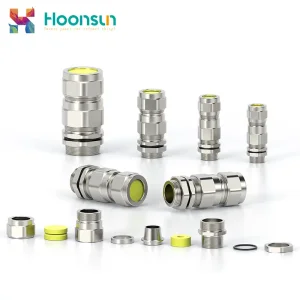
As the world transitions toward more complex electrical infrastructures—spanning smart grids, renewable energy, and automated manufacturing—the role of cable glands has shifted from a commodity component to a critical safety asset. Today, global buyers are looking beyond simple pricing; they are prioritizing **Technical Reliability**, **Compliance (UL/ATEX/IP68)**, and **Supply Chain Resilience**.
Why China Leads the Industrial Connectivity Market
China has evolved into the definitive hub for industrial cable gland manufacturing. This isn't just about labor costs; it's about the **Manufacturing Ecosystem**. With clusters like those in Zhejiang, factories like Hongxiang Connector Co., Ltd. leverage advanced CNC machining, integrated R&D labs, and stringent quality control protocols (IATF16949). This efficiency allows for high-volume, precision-engineered products that compete with, and often surpass, traditional European counterparts in lead time and customization capabilities.
Key Trends Shaping the Future
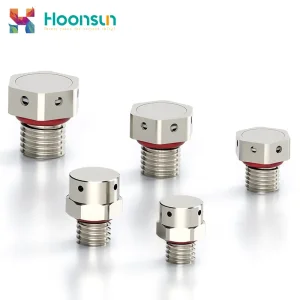
- Miniaturization of Components: As electronics in robotics and EV sensors become smaller, cable glands must offer high ingress protection (IP68/IP69K) with smaller footprints.
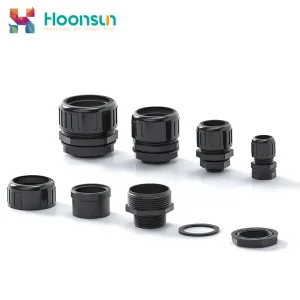
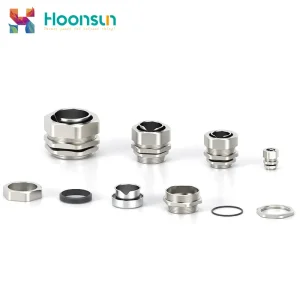
- Material Innovation: Moving from standard PVC to specialized Polyamide (Nylon) and Stainless Steel (316L) to meet extreme temperature and chemical resistance requirements.
- Smart Manufacturing: Integration of AI and automated inspection in production lines ensures that every batch meets the "Zero Defect" standard required by Fortune 500 automotive and aerospace clients.