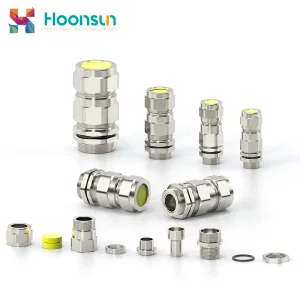
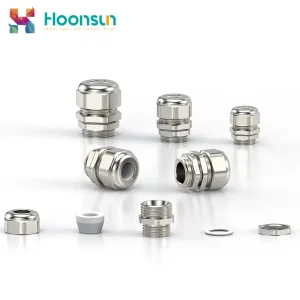
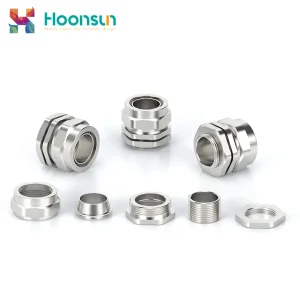
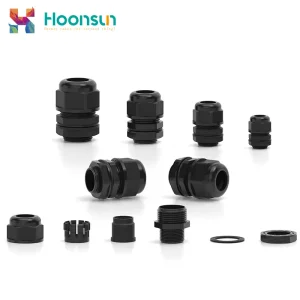
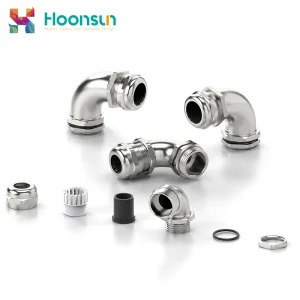
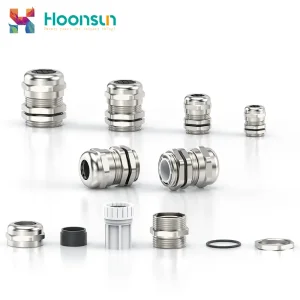
Explore our engineering-grade glands, certified to protect and secure high-gauge cables in marine, explosion-prone, and heavy-duty industrial configurations.
A comprehensive analysis of conductor sizing, geometry, thread calculations, and ingress sealing systems.
In high-power industrial wiring, termination points represent the most critical links for system integrity. A 50 sq mm cable (representing a conductor cross-sectional area of 50mm²) requires specialized termination. The core conductor itself has a nominal diameter of approximately 8.0mm to 9.2mm. However, when selecting a cable gland size, industrial engineers must measure the outer diameter (OD) of the entire cable assembly, including insulation cores, internal fillers, metallic armor (if applicable), and the protective outer sheath (typically PVC, XLPE, or LSOH).
Depending on whether the installation utilizes single-core or multi-core (e.g., 2-core, 3-core, 4-core, or 5-core) cables, the overall cable outer diameter varies substantially. For a typical single-core 50 sq mm unarmored copper cable, the outer diameter generally falls within the 14.5mm to 18.5mm range. Conversely, a 4-core armored 50 sq mm cable can reach outer diameters exceeding 32.0mm to 38.0mm. Therefore, choosing the correct thread type (Metric M25, M32, M40, or PG equivalent) is critical to prevent water ingress, dust entry, and mechanical pull-out failures.
Do not order a cable gland based on the "50 sq mm" conductor rating alone. Always consult the cable manufacturer's specification sheet for the minimum and maximum Overall Outer Diameter (OD). Selecting a gland with an incorrect clamping range will compromise the IP68 seal, leading to ingress of water or dust and violating electrical safety codes.
The matrix below outlines typical cable configurations for 50 sq mm copper conductors and identifies the appropriate metric and PG cable gland sizes to ensure a secure, sealed enclosure entry.
| Cable Configuration (50 sq mm) | Typical Cable OD Range (mm) | Recommended Metric Thread | Recommended PG Thread | Gland Clamping Range (mm) |
|---|---|---|---|---|
| Single-Core Unarmored (XLPE) | 13.8 – 17.5 mm | M25 × 1.5 / M32 × 1.5 | PG21 / PG29 | 13.0 – 18.0 mm / 15.0 – 21.0 mm |
| Single-Core Armored (AWA) | 18.0 – 22.5 mm | M32 × 1.5 | PG29 | 18.0 – 25.0 mm |
| 3-Core Unarmored (XLPE) | 26.5 – 31.0 mm | M40 × 1.5 | PG36 | 22.0 – 32.0 mm |
| 3-Core Armored (SWA) | 32.0 – 37.5 mm | M50 × 1.5 | PG42 | 30.0 – 38.0 mm |
| 4-Core Unarmored (XLPE) | 29.5 – 35.0 mm | M40 × 1.5 / M50 × 1.5 | PG36 / PG42 | 22.0 – 32.0 mm / 30.0 – 38.0 mm |
| 4-Core Armored (SWA) | 36.0 – 42.5 mm | M50 × 1.5 / M63 × 1.5 | PG42 / PG48 | 34.0 – 44.0 mm |
For installations carrying 50 sq mm conductors, system parameters like mechanical tension and thermal loading demand careful material selection. Standard choices include:
A premier manufacturer in China's industrial connectivity sector since 2006.
Founded in 2006, Zhejiang Hongxiang Connector Co., Ltd. is located in Yueqing, Zhejiang—China's hub for precision electrical manufacturing. Over nearly two decades, the company has grown into a modern manufacturer integrating R&D, high-precision automated manufacturing, and global sales. Recognized as a national high-tech enterprise, the company occupies a modern industrial park with a standardized workshop of over 10,000 square meters. The facility features advanced CNC machining centers, automated assembly lines, and a dedicated quality testing laboratory.
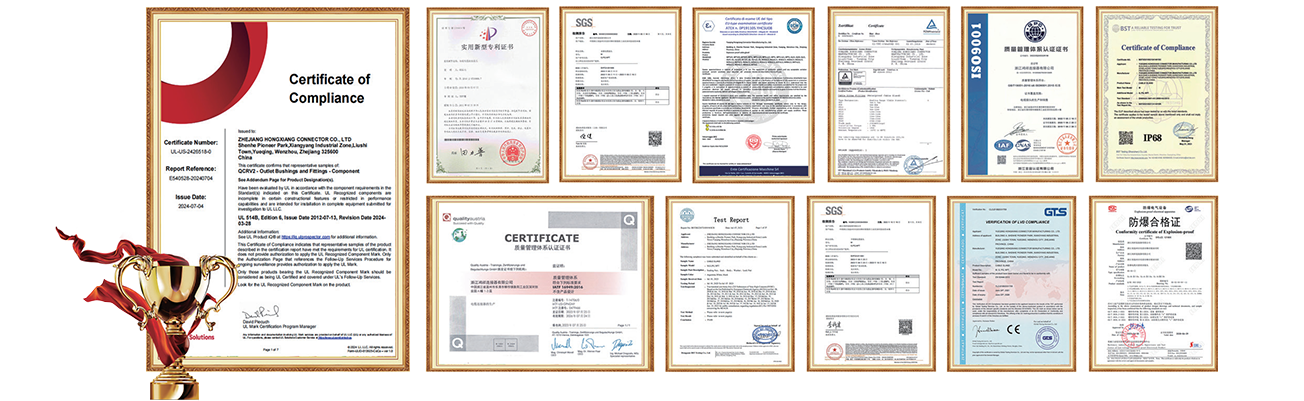
With an annual capacity exceeding 80 million units, we support global OEMs, engineering contractors, and distributors. Our product portfolio includes brass and stainless steel cable glands, nylon glands, flexible conduit fittings, marine connection joints, and custom wiring solutions. We operate in compliance with international quality systems, holding certifications such as ISO9001, IATF16949, CE, UL, ATEX, RoHS, and IP68.
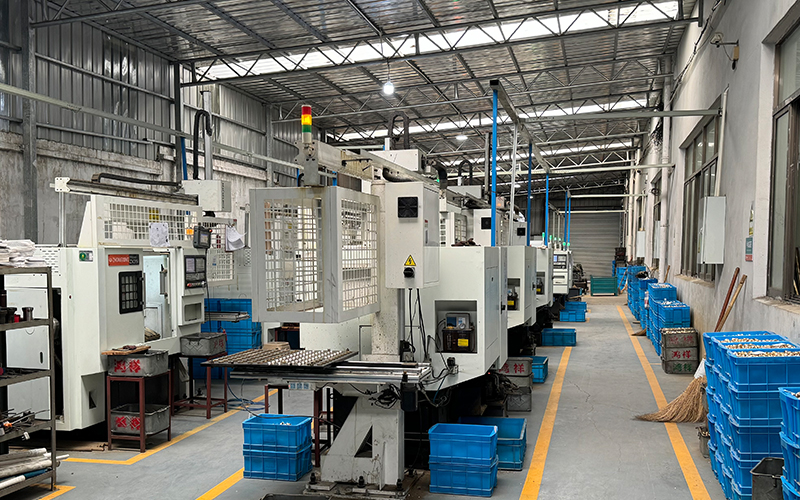
CNC Turning Center

Automated Machining
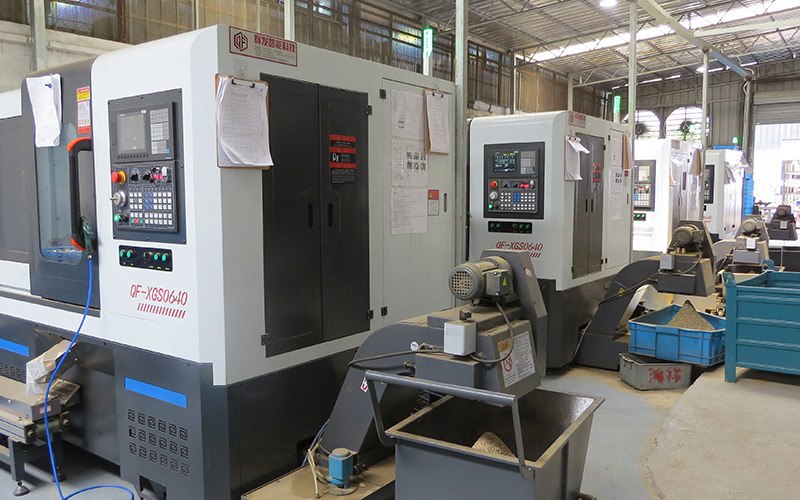
Precision Milling
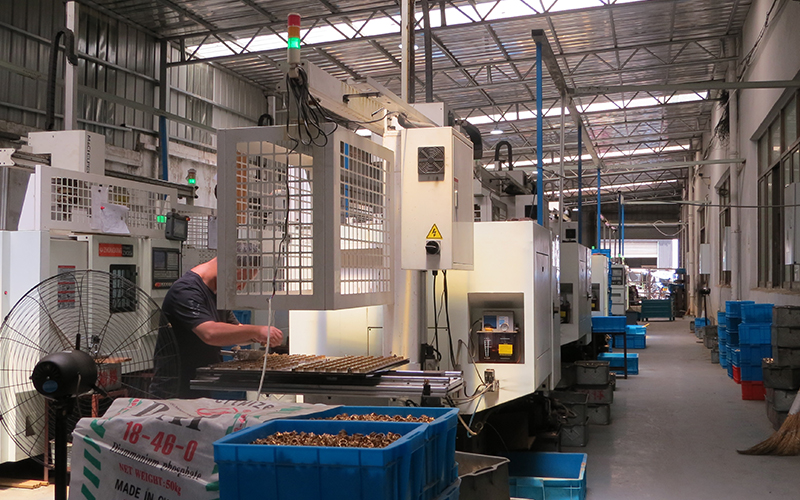
Stamping Workshop
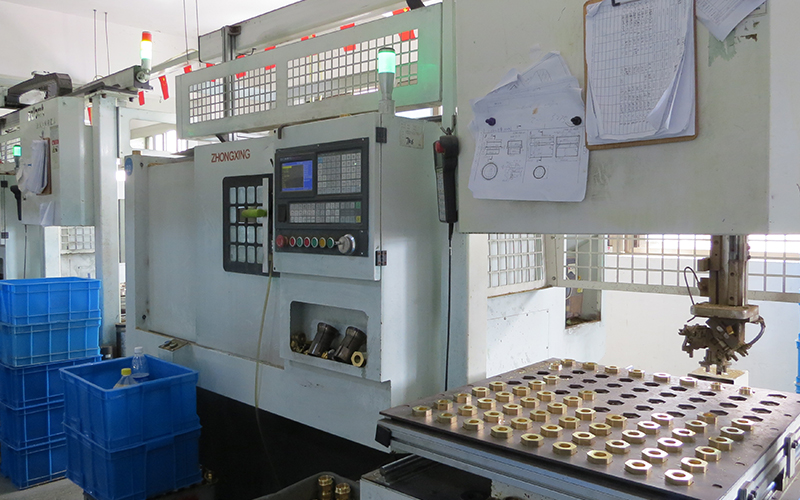
Thread Threading
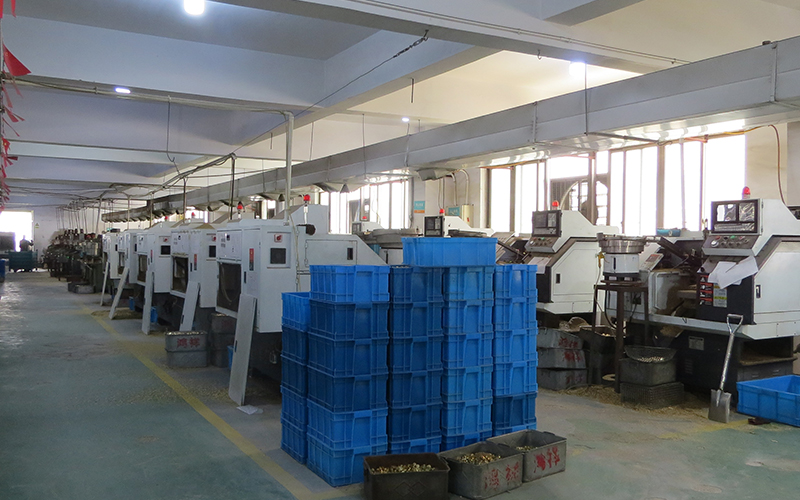
Assembly Line
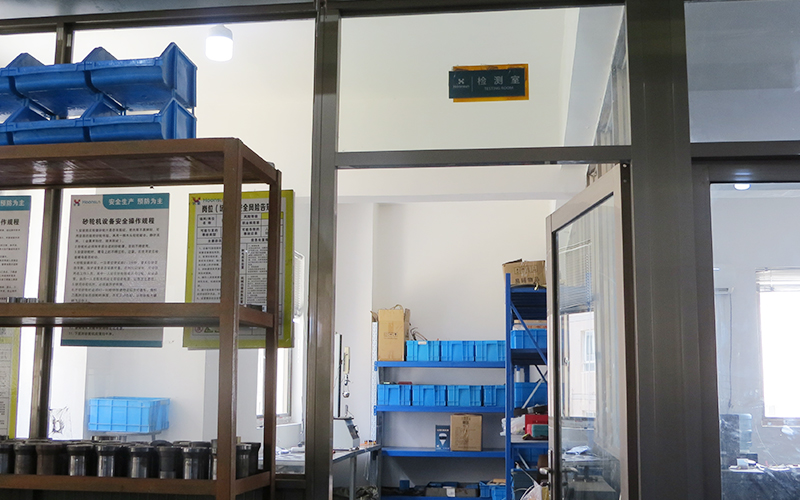
IP68 & Tensile Lab
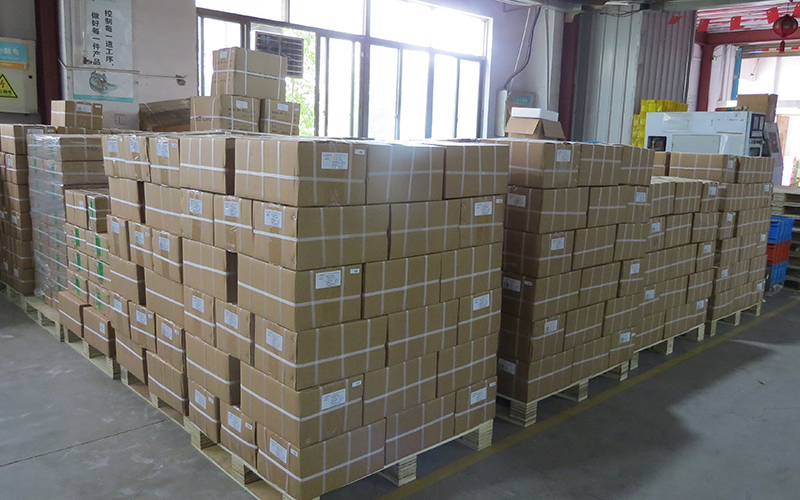
Warehouse Logistics
Compliance and testing certifications supporting reliable deployments in high-stakes environments.

Our heavy-duty cable glands protect connections across clean energy, transport infrastructure, and smart manufacturing.

Cable glands are critical for new energy vehicles (NEVs), serving as essential components to manage and protect cables in high-voltage systems, battery packs, motor controllers, charging interfaces, and other core electrical units. Engineered to withstand extreme temperatures, vibration, moisture, and chemical exposure, they ensure reliable sealing, prevent dust/water ingress, and maintain insulation integrity to avoid electrical hazards. By securing and routing power, signal, and communication cables, they enhance the safety, stability, durability, and performance consistency of the vehicle's electrical system. Compliant with automotive industry standards, high-quality cable glands help NEVs meet strict safety and reliability requirements, making them indispensable for electric cars, hybrid vehicles, and other new energy mobility solutions.

Cable glands are essential for robotics, managing and protecting power, signal, and data cables in industrial robots, cobots, AMRs, and more. Adapted to dynamic movements, harsh industrial environments (dust, coolant, mechanical stress), they prevent tangling, abrasion, and disconnection while ensuring IP68-rated sealing. By safeguarding electrical connections and reducing cable wear, they enhance robotic operational stability, precision, and service life. Compatible with various cable sizes and compliant with IEC/UL standards, they are foundational for reliable robotic systems.

Cable glands are vital for onshore/offshore wind power systems (turbines, substations, tower bases), protecting power/control/signal cables. Engineered to resist salt fog, extreme temps (-52℃ to 90℃), vibration, and UV, they offer IP68 sealing, explosion-proof performance, and EMC shielding. Made of durable EPDM rubber or 316L stainless steel or brass , they prevent cable abrasion/displacement and electrical hazards, ensuring long-term operational stability and safety.
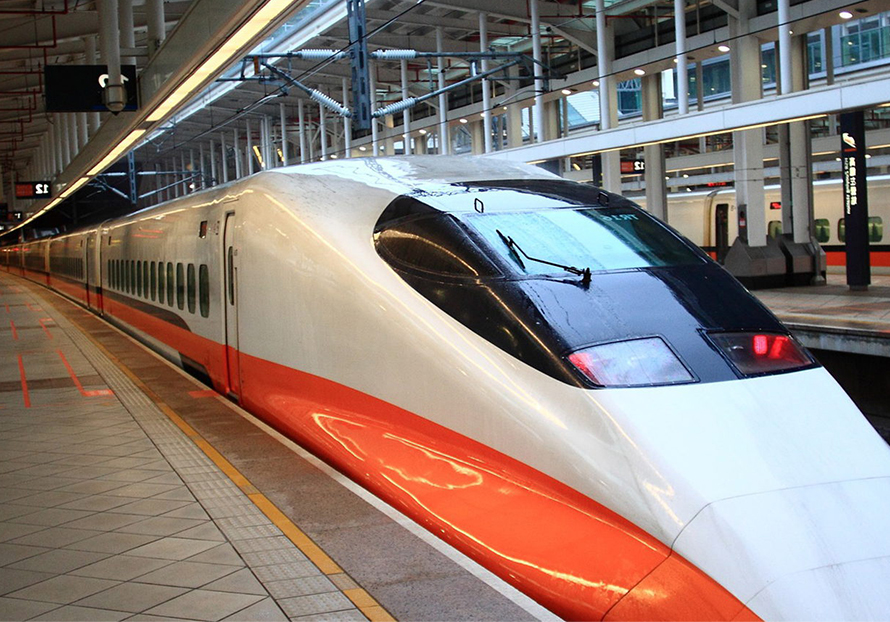
Cable glands are key protective components in rail transit systems, widely used in rolling stock, substations, tunnels, and equipment rooms of metro, high-speed rail, and intercity rail. They secure and protect power, control, and signal cables. Adapted to harsh operating conditions, they feature an IP68 protection rating, resisting moisture, dust, and rodent damage, while withstanding extreme temperatures from -40℃ to 90℃ and continuous vibration. They are offering explosion-proof and sealing performance to prevent cable abrasion, signal interference, and fire spread. Their modular design supports future capacity expansion, extends the service life of cables and equipment, and ensures the long-term safe and stable operation of rail transit systems.
Key factors for engineers and procurement managers sourcing industrial-grade cable entry glands.
When sourcing cable entry accessories for large projects, engineering teams must evaluate three main criteria to balance performance and cost:
Thread standards differ by region and industry. Modern European projects typically require Metric threads (EN 60423), standardizing on pitch configurations like 1.5mm (e.g., M32 × 1.5). North American equipment relies on NPT threads (ANSI/ASME B1.20.1), which feature a tapered design to create a seal through thread engagement. Older machinery and regional European systems may still specify PG threads (DIN 40430). Our factory supplies all three configurations, ensuring fitment with original junction boxes and enclosures.
For outdoor, marine, or wash-down applications, an IP68 rating is necessary. Our designs feature a multi-layer compression seal made of EPDM or NBR rubber. Under compression, the seal tightens around the cable sheath, creating a dust-tight barrier that prevents moisture ingress under pressure.
Variable frequency drives (VFDs) and high-power conductors can emit electromagnetic interference. For these setups, we offer specialized EMC cable glands. These products use an internal brass grounding spring to contact the cable's copper braid shield, grounding interference and protecting nearby signal lines.
Technical answers to common selection, sizing, and installation questions.
Explore our flame-retardant polyamide, reinforced nylon, and heavy-duty elbow-type entry fittings.
 Hongxiang