Founded in 2006, Zhejiang Hongxiang Connector Co., Ltd. is rooted in Yueqing, Zhejiang — a national hub for precision electrical manufacturing in China. After nearly two decades of dedicated development, the company has evolved into a large modern industrial connectivity solutions provider integrating R&D and design, large-scale intelligent manufacturing, global sales, and one-stop services. It stands as a benchmark enterprise of considerable scale and influence in China’s cable gland and connector industry, and a key player among national high-tech enterprises.
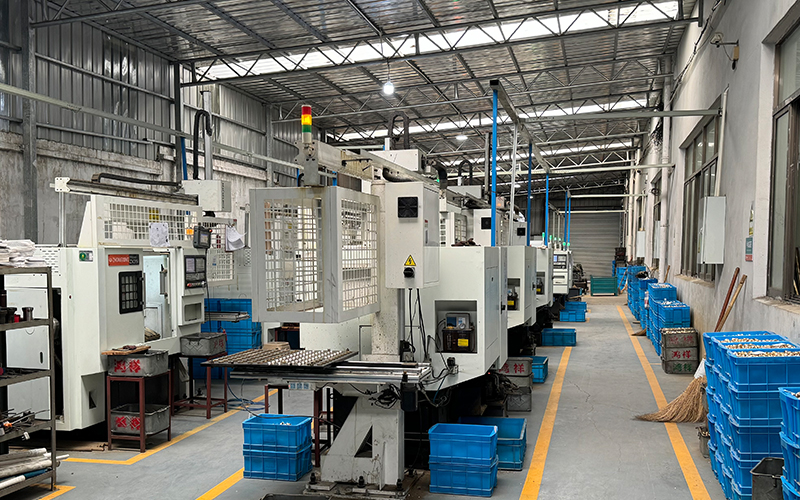
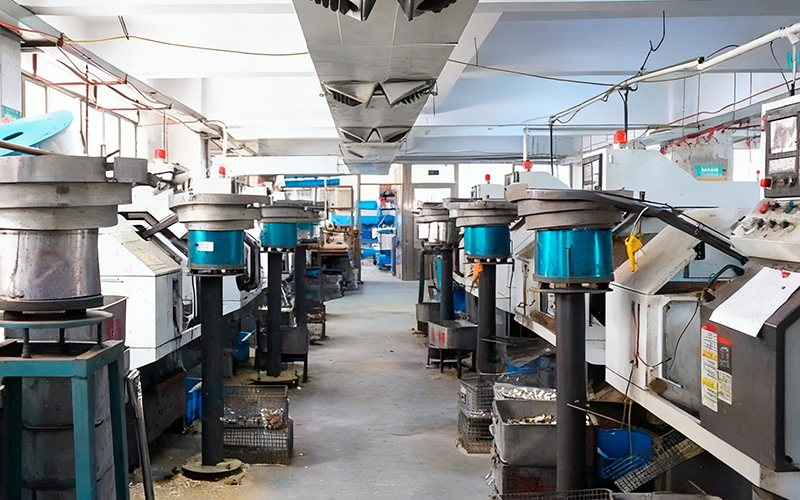
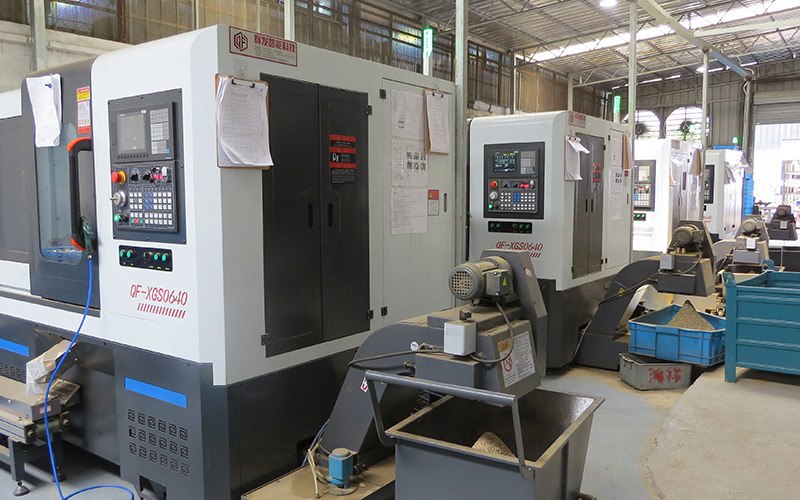
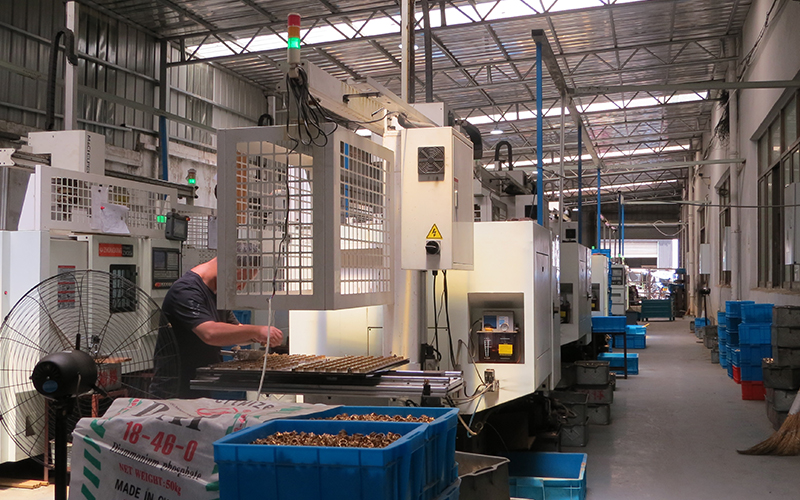
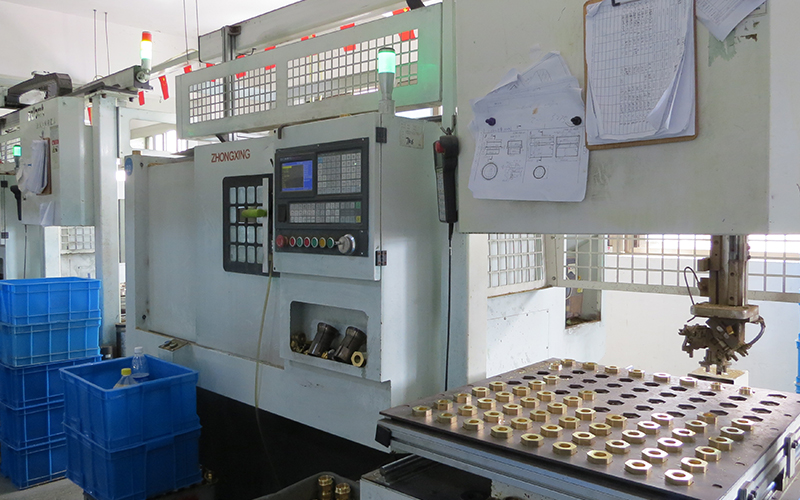
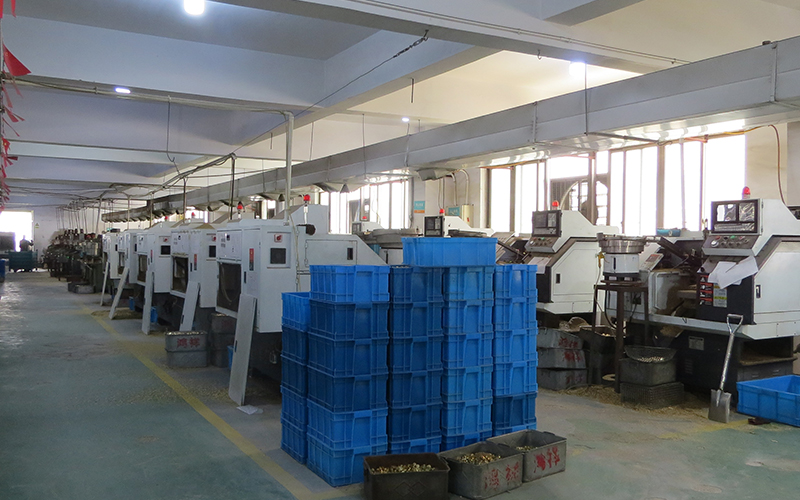
Boasting a modern intelligent manufacturing industrial park, the company operates a standardized production workshop of over 10,000 square meters, equipped with multiple high-precision automated production lines, CNC machining centers, and a full-process quality control laboratory, establishing an industry-leading large-scale manufacturing system. With a core team of more than 300 professionals — over 30% of whom are R&D and quality management personnel — its annual production capacity exceeds 80 million units.
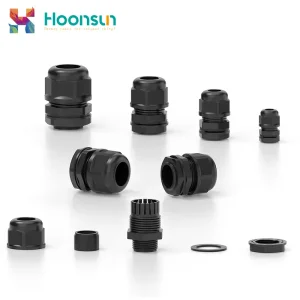
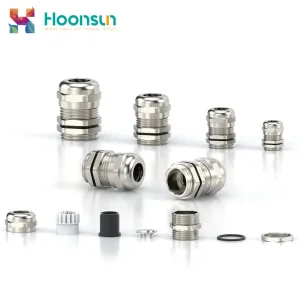
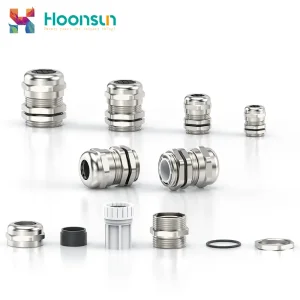
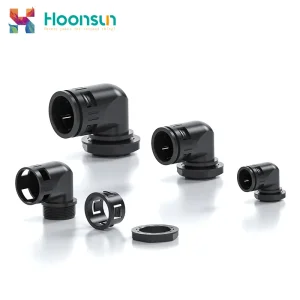
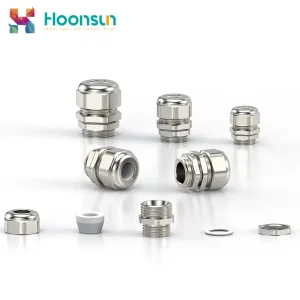
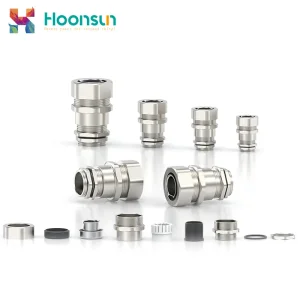
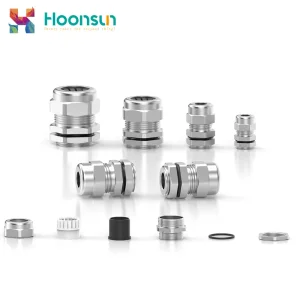
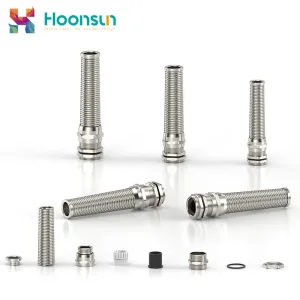
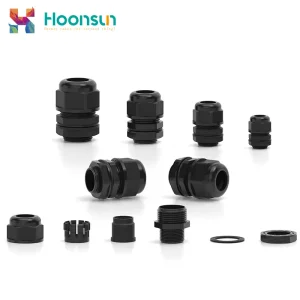
Our core product portfolio includes metal cable glands, nylon cable glands, waterproof cable glands, explosion-proof connectors, conduit fittings, and various customized connecting accessories. These products serve high-end sectors such as industrial electrical equipment, new energy equipment, rail transit, shipbuilding and heavy industry, construction machinery, military supporting facilities, and communication & industrial control.

Industrial cable glands (also known as cable entry systems, cord grips, or strain reliefs) are critical structural components tasked with securing electrical cables at the entry points of industrial enclosures, junction boxes, and control cabinets. As global infrastructure transitions toward higher automation, renewable energy integration, and smart grids, the demand for high-integrity cable entry interfaces has escalated. These devices provide three primary functions: strain relief to prevent mechanical tension from damaging internal electrical connections, environmental sealing to block dust, water, and corrosive agents, and grounding/shielding to mitigate electromagnetic interference (EMI).
Modern industrial operations subject electrical connections to severe stresses. Whether in offshore oil platforms, high-voltage battery packs in electric vehicles, or robotic arms operating under continuous flex cycles, cable integrity cannot be compromised. The choice of cable gland material and design dictates the longevity of the entire electrical installation:
Ingress Protection (IP) ratings define the sealing efficiency of electrical enclosures against dust and moisture. An IP68 rated cable gland ensures continuous immersion in water under specified pressure without allowing moisture entry. Achieving this requires precise elastomer compression engineering. At Hongxiang Connector, we utilize advanced Chloroprene and EPDM sealing inserts. These elastomers maintain elasticity and resistance under thermal fluctuations (-40°C to +100°C, and up to 150°C for specialty high-temperature glands).
Furthermore, in applications involving variable frequency drives (VFDs) and high-speed communication networks, electromagnetic compatibility is paramount. Our EMI/RFI shielded cable glands feature 360-degree contact springs that ground the cable shield to the metal enclosure, successfully attenuating high-frequency noise and preserving signal integrity.
| Cable Gland Type | Common Materials | Protection Ratings | EMC Shielding | Primary Application Scenarios |
|---|---|---|---|---|
| Nylon Reinforced | Polyamide PA66 (UL 94 V-0 / V-2) | IP66 / IP68 (5 Bar) | No (Non-conductive) | Junction Boxes, Telecom Cabinets, Outdoor Solar Arrays |
| Metal Shielded (EMC) | Nickel-Plated Brass | IP68 / IP69K | Yes (360° contact spring) | VFD Motors, Wind Turbines, Marine Automation |
| Heavy Duty Armored | Brass / Stainless Steel 304/316L | IP66 / IP68 (Dual Seal) | Yes (Armour clamp ring) | Petrochemical Plants, Oil & Gas Refineries, Mining |
| High Temperature | Nickel-Plated Brass / Silicone Seals | IP68 | Optional | Industrial Ovens, Engine Bays, Metallurgy Equipment |
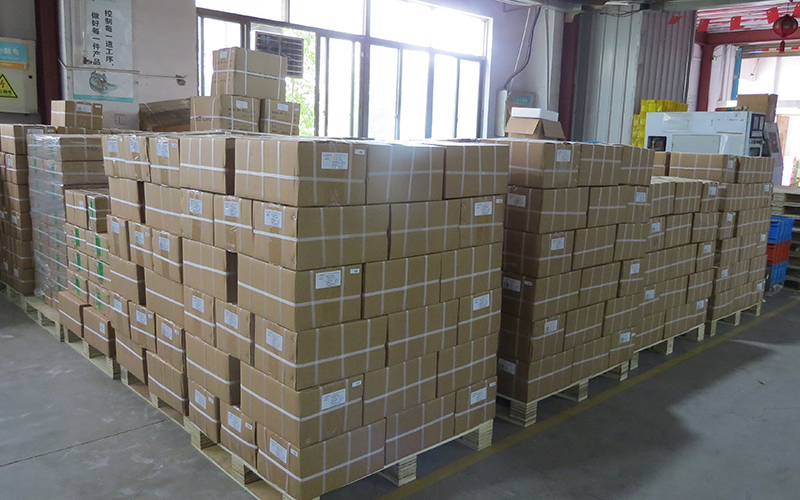
The global electrical supply chain heavily relies on production clusters to reduce transit lead times and optimize material sourcing. Yueqing, located in Zhejiang province, is recognized as the electrical capital of China. The regional concentration of raw material suppliers (nylon polymers, brass alloys, stainless steel machining yards), heat treatment factories, and certification labs creates an ecosystem of unmatched efficiency. Zhejiang Hongxiang Connector Co., Ltd. leverages this cluster effect to produce over 80 million high-tolerance components annually, passing the cost savings and engineering agility directly to global buyers.
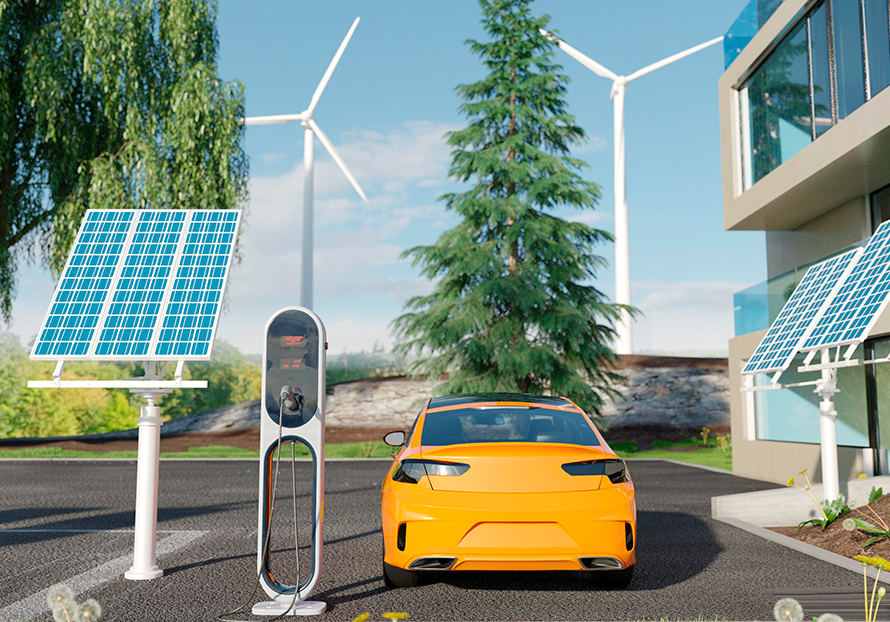
Cable glands are critical for new energy vehicles (NEVs), serving as essential components to manage and protect cables in high-voltage systems, battery packs, motor controllers, charging interfaces, and other core electrical units. Engineered to withstand extreme temperatures, vibration, moisture, and chemical exposure, they ensure reliable sealing, prevent dust/water ingress, and maintain insulation integrity to avoid electrical hazards. By securing and routing power, signal, and communication cables, they enhance the safety, stability, durability, and performance consistency of the vehicle's electrical system.
Read More →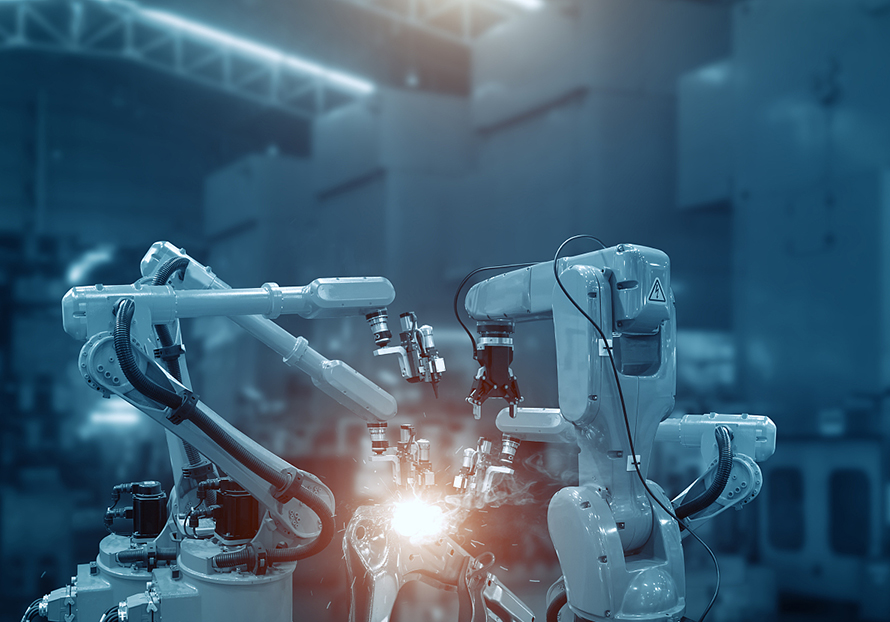
Cable glands are essential for robotics, managing and protecting power, signal, and data cables in industrial robots, cobots, AMRs, and more. Adapted to dynamic movements, harsh industrial environments (dust, coolant, mechanical stress), they prevent tangling, abrasion, and disconnection while ensuring IP68-rated sealing. By safeguarding electrical connections and reducing cable wear, they enhance robotic operational stability, precision, and service life. Compatible with various cable sizes and compliant with IEC/UL standards.
Read More →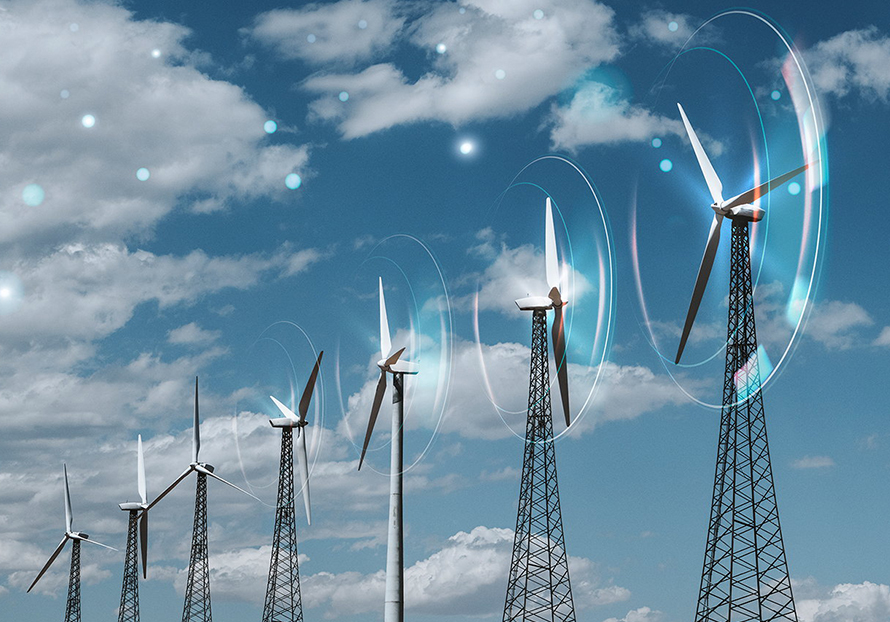
Cable glands are vital for onshore/offshore wind power systems (turbines, substations, tower bases), protecting power/control/signal cables. Engineered to resist salt fog, extreme temps (-52℃ to 90℃), vibration, and UV, they offer IP68 sealing, explosion-proof performance, and EMC shielding. Made of durable EPDM rubber or 316L stainless steel or brass, they prevent cable abrasion/displacement and electrical hazards, ensuring long-term operational stability and safety.
Read More →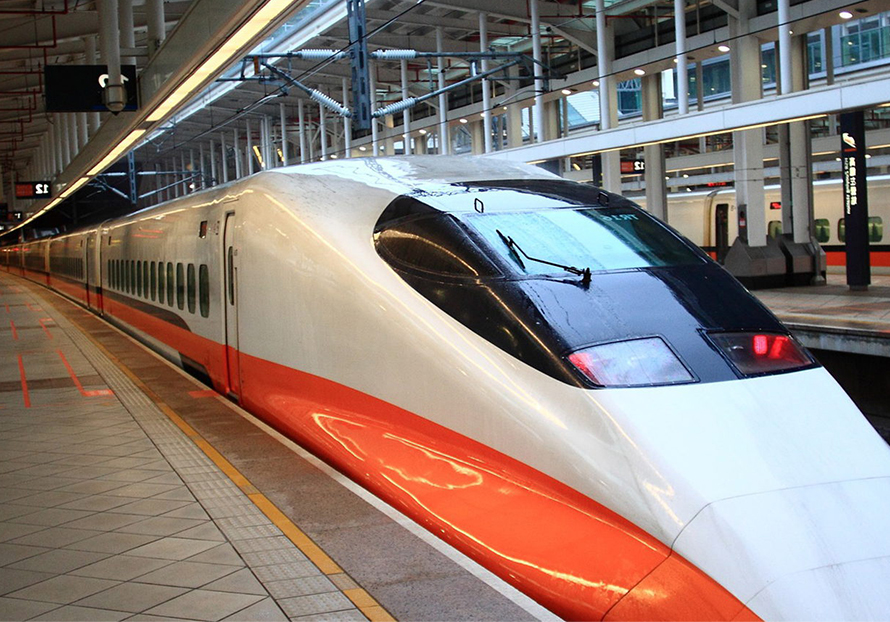
Cable glands are key protective components in rail transit systems, widely used in rolling stock, substations, tunnels, and equipment rooms of metro, high-speed rail, and intercity rail. They secure and protect power, control, and signal cables. Adapted to harsh operating conditions, they feature an IP68 protection rating, resisting moisture, dust, and rodent damage, while withstanding extreme temperatures from -40℃ to 90℃ and continuous vibration. They offer explosion-proof and sealing performance.
Read More →The company currently has more than 120 employees, more than 200 production equipment, and is equipped with a professional sales and management team, committed to improving production efficiency and product quality. Through high-degree automation and real-time monitoring of machining tolerances, our cable glands match demanding engineering profiles requested by top-tier contractors.
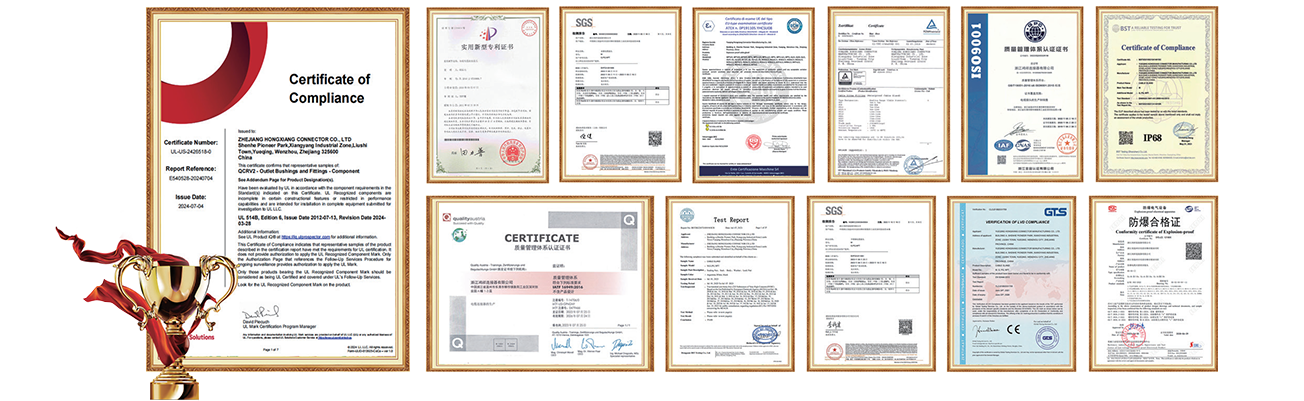
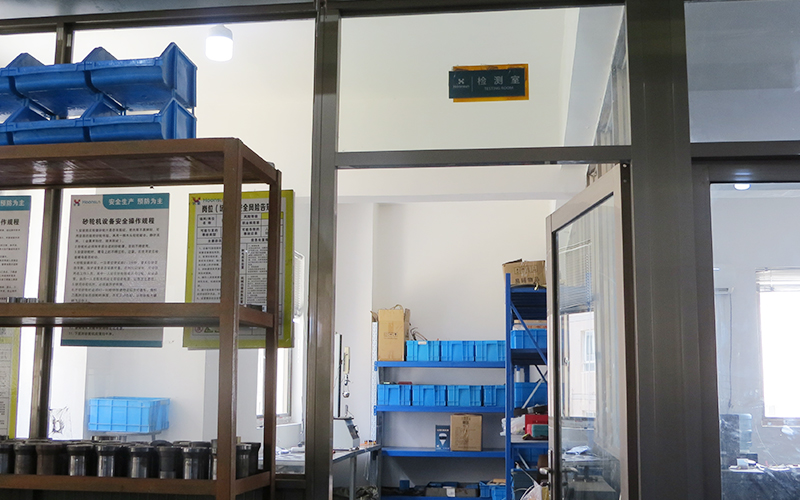
Our on-site Testing Room performs rigorous evaluations on every batch, including tensile load tests, IPX8 waterproofing tests, salt spray testing for corrosion verification, and high-low temperature chamber aging. This guarantees that every shipped batch conforms to UL, CE, and ATEX benchmarks.
When procurement managers import industrial cable glands from China, compliance and material tracking are essential to avoid project delays or structural failures. An optimized sourcing plan should address the following parameters:
Ensure correct thread mapping for the targeted regional market. Modern installations utilize three major thread systems:
For installations in gas-rich atmospheres or mining sites, standard cable glands are insufficient. Explosion-proof designs must meet:
 Hongxiang