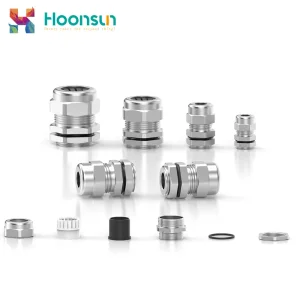
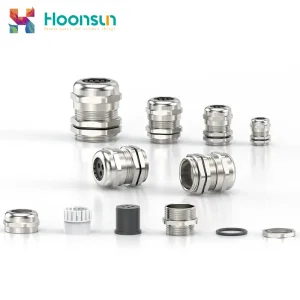
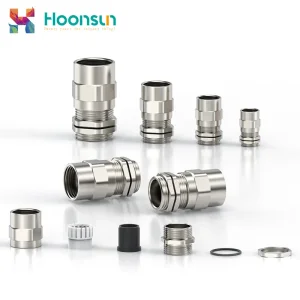
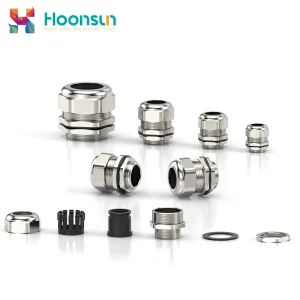
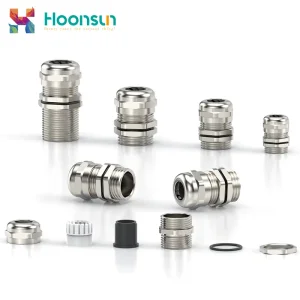
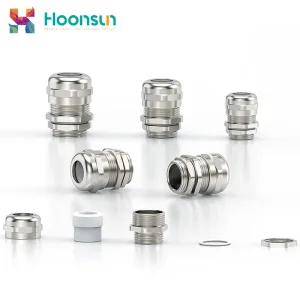
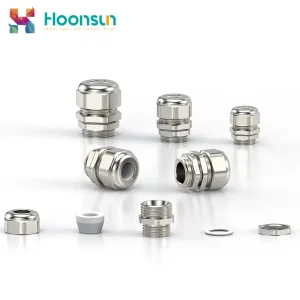
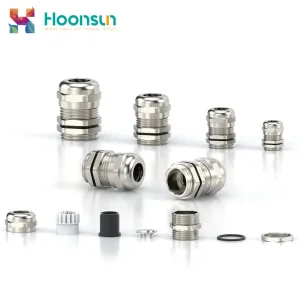
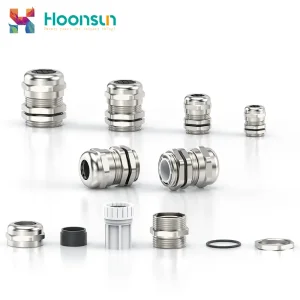
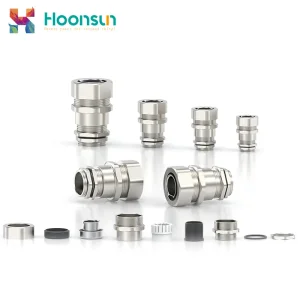
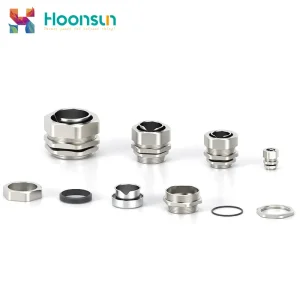
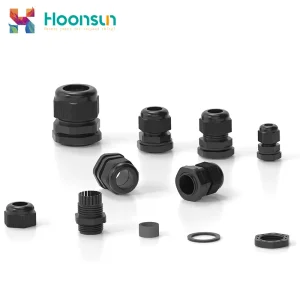
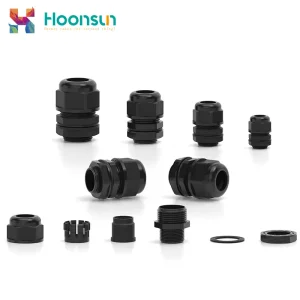
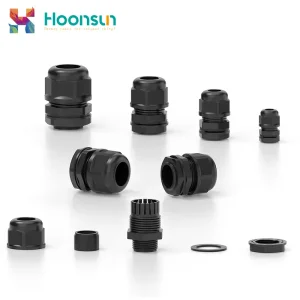
Engineered for absolute ingress protection (IP68) and corrosion resilience under heavy tropical marine conditions.
Decoding the engineering complexities of deploying high-durability electrical infrastructure in the sub-equatorial Indian Ocean.
Takamaka, situated on the southern coast of Mahé in the Seychelles, represents a highly challenging operational ecosystem for electrical and industrial systems. The combination of sustained marine saline mist, ambient humidity hovering above 80% year-round, and high UV indexes subjects electrical enclosures and cable joints to accelerated chemical degradation. Standard connection points fail within months due to galvanic corrosion and moisture ingress, highlighting the critical need for marine-grade 316L stainless steel and heavily nickel-plated brass cable glands with robust IP68 and IP69K liquid-tight sealing profiles.
As Seychelles pushes forward with clean energy transitions and premium green-resort models, Takamaka has emerged as a key zone for decentralized solar microgrids and off-grid utility infrastructure. Commercial enterprises, high-end ecotourism villas, and public water purification facilities require highly stable electrical cabling systems. Substandard cabling components pose a severe fire risk and cause power outages that compromise municipal stability. Incorporating heavy-duty cable glands in power distribution boxes ensures uninterrupted operation for local desalination systems, eco-resort smart grids, and regional municipal distribution.
A definitive technical guide to material dynamics, ingress protection standards, and global compliance for procurement officers.
In industrial environments, the cable gland is the primary defense line preventing water, dust, and toxic gases from entering enclosures. Standard testing defines IP68 protection as prolonged immersion under pressure, but our standard components undergo more rigorous testing to withstand up to 5 bar of water pressure (equivalent to a depth of 50 meters). We achieve this through dual-seal technological configurations incorporating high-elasticity EPDM or silicone seals, which maintain physical compression over multi-decade lifespans. Additionally, proper mechanical strain relief prevents physical pull-out forces from damaging delicate internal control system terminations, conforming fully to international standards like EN 62444.
Choosing the correct material matrix directly influences operational cost structures and lifetime performance. For instance:
In modern industrial applications, frequency converters, automated systems, and high-voltage power networks generate significant electromagnetic interference (EMI). Without proper shielding, communications and sensor data lines suffer corruption. EMC-shielded cable glands feature internal contact springs that establish a 360-degree, low-impedance electrical path between the cable's copper braid shield and the metallic wall of the enclosure. This configuration redirects high-frequency noise safely to the system ground, preserving signal integrity across complex process automation networks.
Zhejiang Hongxiang Connector Co., Ltd. — Your Strategic Partner for Industrial Connectivity Solutions.
Founded in 2006, Zhejiang Hongxiang Connector Co., Ltd. is located in Yueqing, Zhejiang — the heart of precision electrical manufacturing in China. Over nearly two decades of continuous development, the company has evolved into a global leader in industrial connectivity solutions, integrating R&D, smart manufacturing, and comprehensive distribution services. We are recognized as a high-tech enterprise, establishing benchmarks in standard compliance and engineering innovation.
Our facility spans a 10,000-square-meter modern manufacturing park equipped with automated CNC machining stations, automatic injection molding lines, and an integrated testing laboratory. With over 300 professionals—where 30% are dedicated to technical design and quality assurance—we support an annual production capacity exceeding 80 million units. This massive output capacity ensures that we can handle large-scale utility rollouts, quick custom orders, and long-term strategic supply programs with high efficiency.
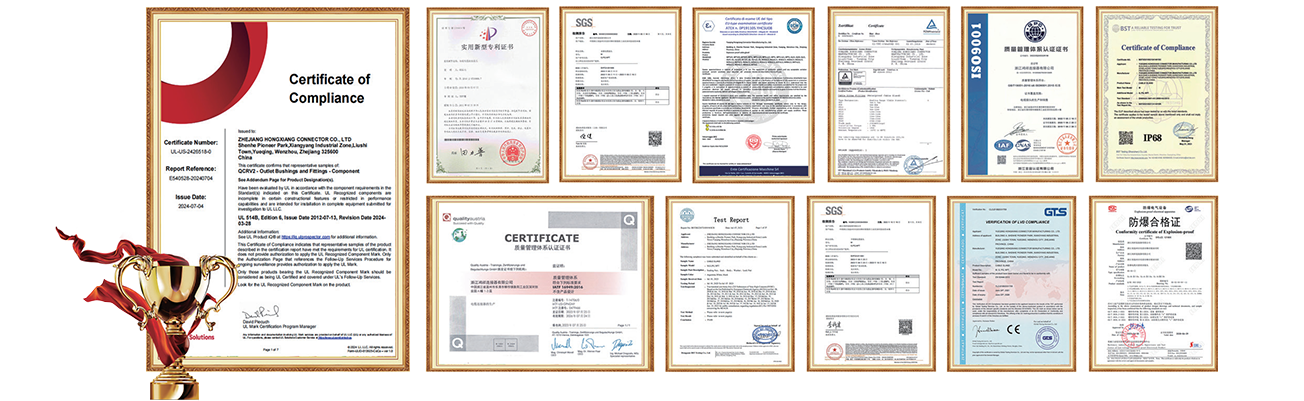
Our core product portfolio includes metal cable glands, nylon cable glands, waterproof cable glands, explosion-proof connectors, conduit fittings, and customized accessories. These components support key industries including industrial electrical manufacturing, new energy vehicles, rail transit, shipbuilding, wind power generation, and tactical telecommunications networks. Our focus on quality has secured key certifications including ISO9001, IATF16949, CE, UL, ATEX explosion-proof certification, RoHS, and IP68 ratings.
Our products undergo strict quality checks in our in-house lab. Below are our international qualification certificates and modern workshop layouts:

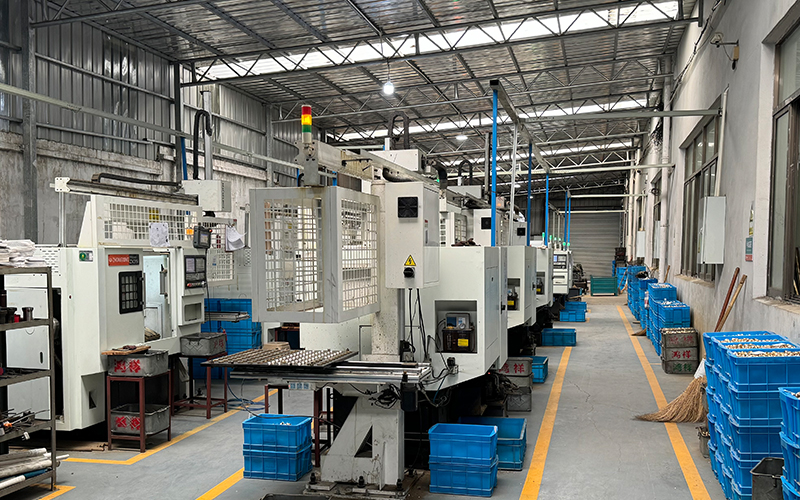
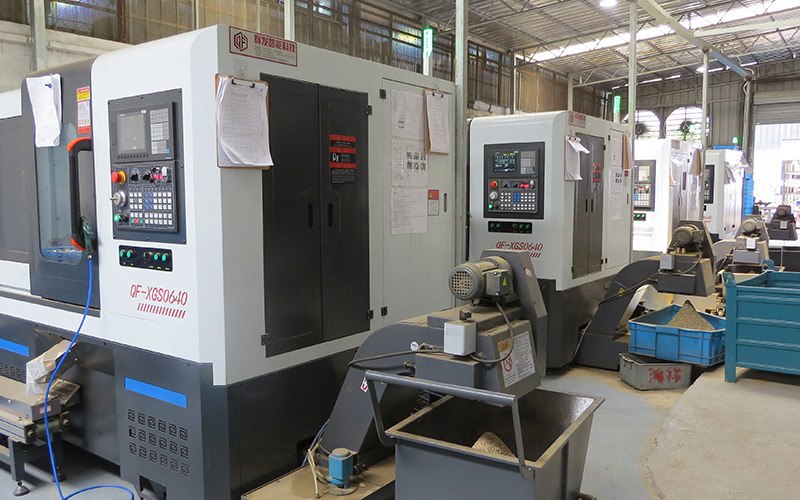
High-speed automated CNC milling lathes ensure strict tolerances on metric, NPT, and PG threading profiles.
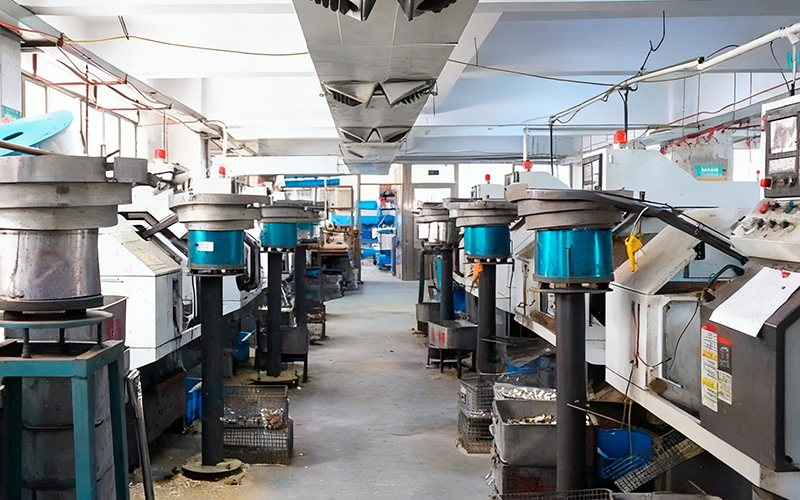
In-house pressure-testing, salt-spray exposure chambers, and tensile testers verify performance before shipment.
Standardized packaging and organized logistics guarantee prompt delivery to East Africa and global destinations.
How our specialized connection solutions safeguard critical systems worldwide.
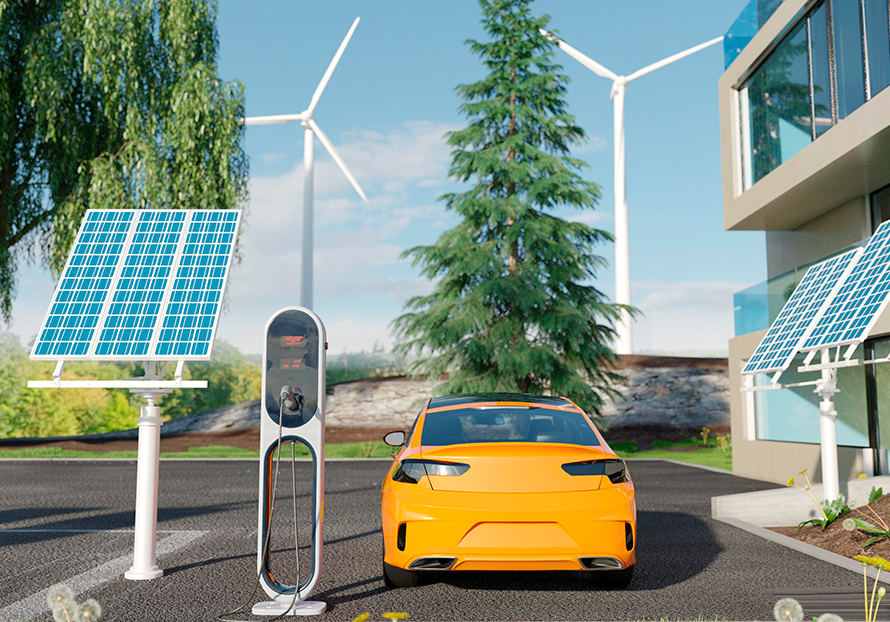
Cable glands are critical for new energy vehicles (NEVs), serving as essential components to manage and protect cables in high-voltage systems, battery packs, motor controllers, charging interfaces, and other core electrical units. Engineered to withstand extreme temperatures, vibration, moisture, and chemical exposure, they ensure reliable sealing, prevent dust/water ingress, and maintain insulation integrity to avoid electrical hazards. By securing and routing power, signal, and communication cables, they enhance the safety, stability, durability, and performance consistency of the vehicle’s electrical system. Compliant with automotive industry standards, high-quality cable glands help NEVs meet strict safety and reliability requirements, making them indispensable for electric cars, hybrid vehicles, and other new energy mobility solutions.
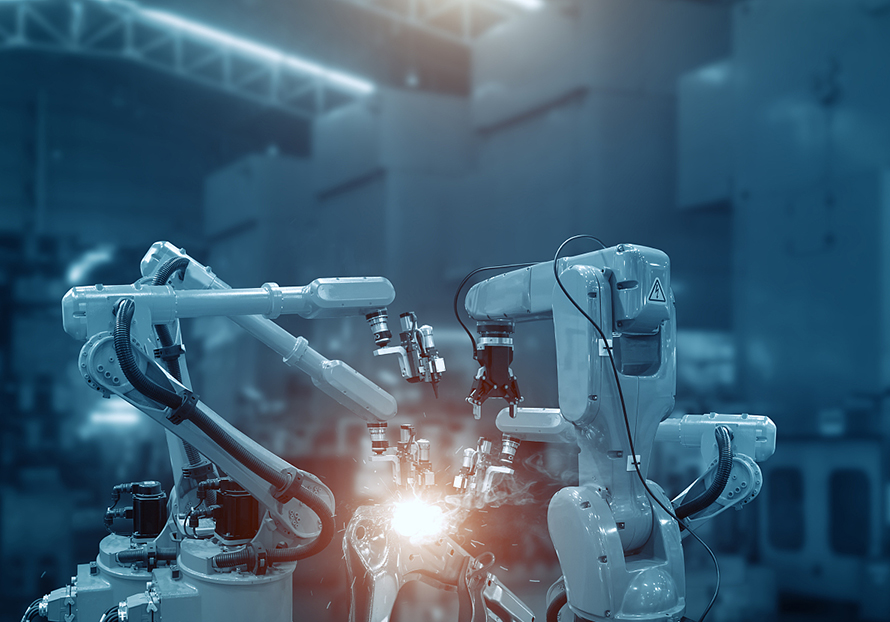
Cable glands are essential for robotics, managing and protecting power, signal, and data cables in industrial robots, cobots, AMRs, and more. Adapted to dynamic movements, harsh industrial environments (dust, coolant, mechanical stress), they prevent tangling, abrasion, and disconnection while ensuring IP68-rated sealing. By safeguarding electrical connections and reducing cable wear, they enhance robotic operational stability, precision, and service life. Compatible with various cable sizes and compliant with IEC/UL standards, they are foundational for reliable robotic systems.
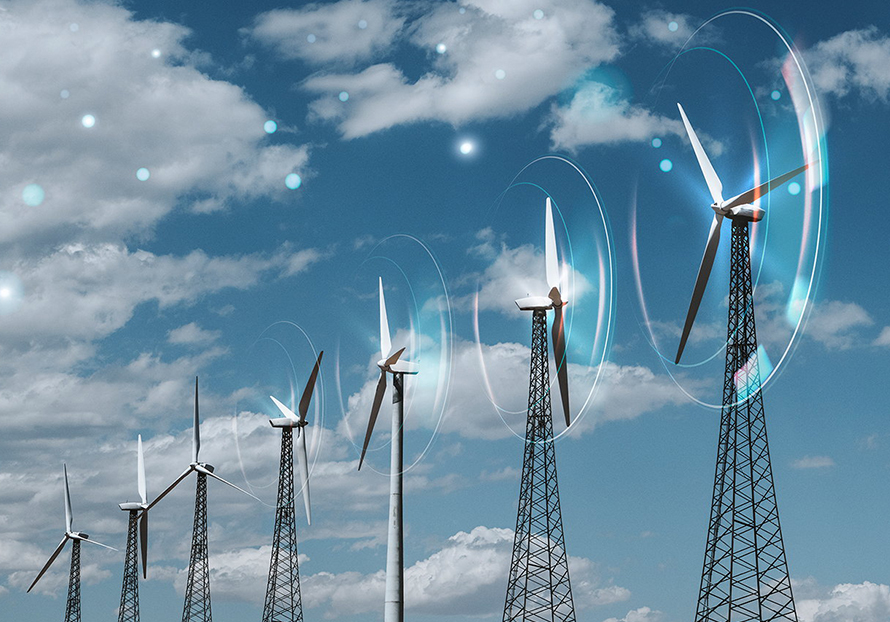
Cable glands are vital for onshore/offshore wind power systems (turbines, substations, tower bases), protecting power/control/signal cables. Engineered to resist salt fog, extreme temps (-52℃ to 90℃), vibration, and UV, they offer IP68 sealing, explosion-proof performance, and EMC shielding. Made of durable EPDM rubber or 316L stainless steel or brass, they prevent cable abrasion/displacement and electrical hazards, ensuring long-term operational stability and safety.
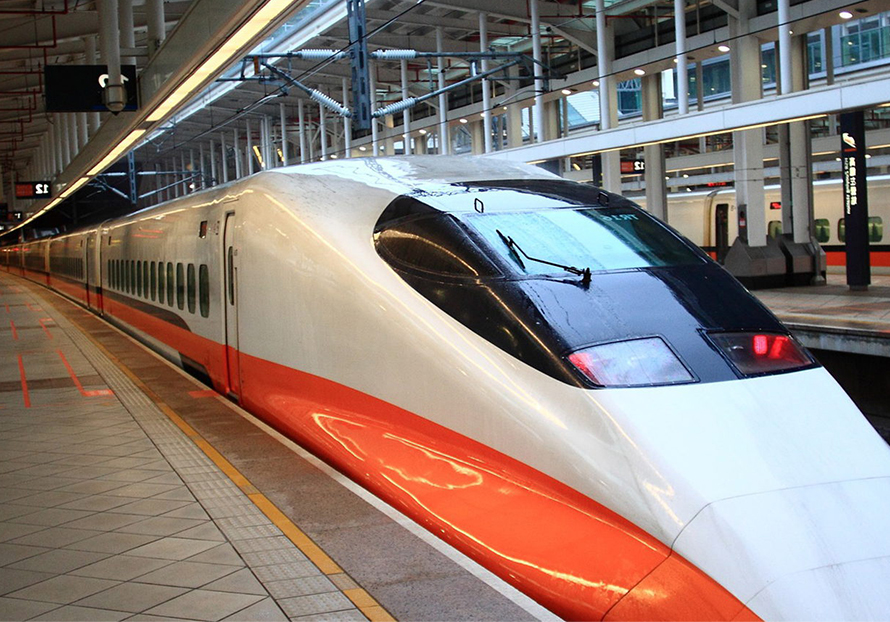
Cable glands are key protective components in rail transit systems, widely used in rolling stock, substations, tunnels, and equipment rooms of metro, high-speed rail, and intercity rail. They secure and protect power, control, and signal cables. Adapted to harsh operating conditions, they feature an IP68 protection rating, resisting moisture, dust, and rodent damage, while withstanding extreme temperatures from -40℃ to 90℃ and continuous vibration. They are offering explosion-proof and sealing performance to prevent cable abrasion, signal interference, and fire spread. Their modular design supports future capacity expansion, extends the service life of cables and equipment, and ensures the long-term safe and stable operation of rail transit systems.
How we maintain product reliability and manage safe delivery to project sites in the Indian Ocean.
We inspect all incoming raw metals and polymers using spectrometer testing to verify material density and alloy compositions. This ensures our 316L stainless steel, nickel-plated brass, and polyamide compounds meet exact technical specifications before production begins.
Our specialized testing validates component performance under environmental challenges, including ozone degradation, UV exposure, chemical solvents, and high thermal variations, ensuring long product lifespans in tropical coastal regions.
We provide reliable shipping to East African ports and the Seychelles. Our logistics team handles international customs documentation, exports, protective sea packaging, and cargo tracking to guarantee on-time arrival at your project site.
Future-proof cable management systems designed for sustainable and smart industrial platforms.
We are developing next-generation cable glands featuring embedded moisture and temperature micro-sensors. These smart fittings transmit real-time environmental data to centralized management systems, warning maintenance teams of potential sealing wear or high temperatures before system failures occur. This technology is designed to reduce maintenance costs for remote wind turbines and offshore infrastructure.
As part of our commitment to reducing carbon footprints, we are testing new plant-based, halogen-free polyamides. These eco-friendly materials maintain high mechanical strength, UV stability, and flame-retardant properties (UL94-V0) while reducing emissions during raw material processing, supporting global green energy goals.
Common engineering questions regarding cable glands, material specifications, and installation tips.
Explore our full line of industrial connection fittings and specialized cable entry systems.
 Hongxiang